Andy Burnham left with clear path to Downing Street as last potential rival rules out leadership bid
reet Andy Burnham left with clear path - With the Labour Party leadership race nearing its conclusion, Andy Burnham has solidified his position as the prime

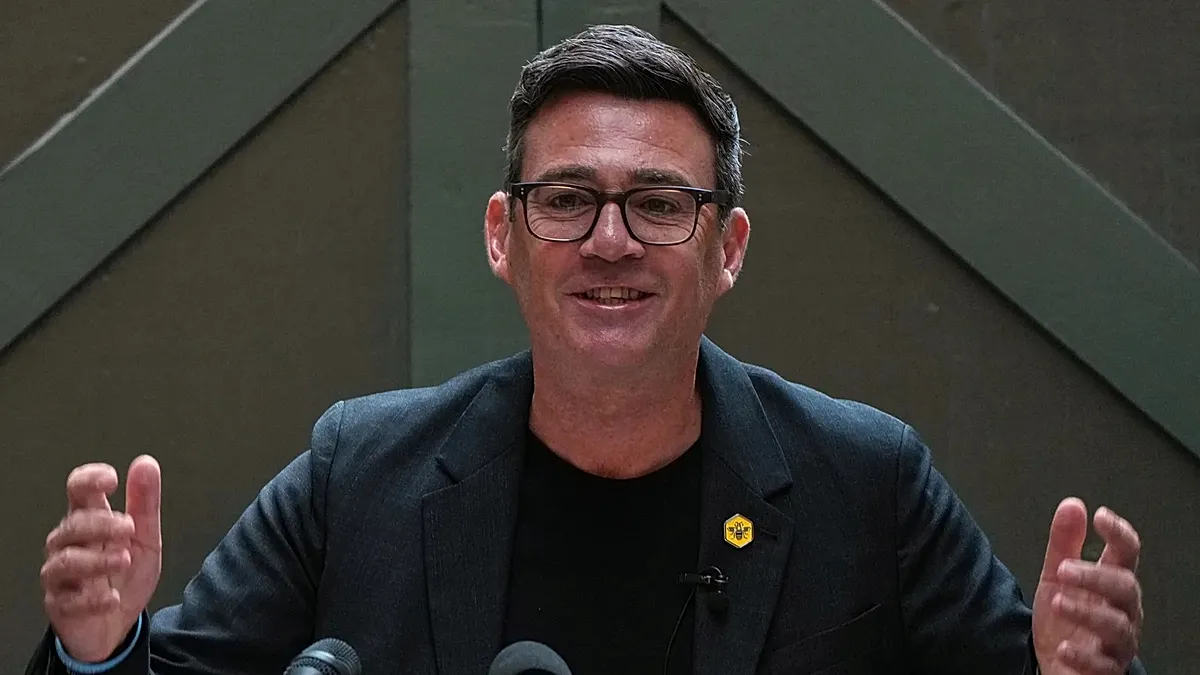
Andy Burnham Gains Clear Path to Downing Street
Poinews.com – With the Labour Party leadership race nearing its conclusion, Andy Burnham has solidified his position as the prime candidate for the role of UK prime minister. His unopposed bid for leadership, following the withdrawal of the final potential rival, Al Carns, has created a direct route to Downing Street. Carns, who initially contested the leadership, confirmed his exit from the race, leaving Burnham with the opportunity to take the helm without significant resistance. This decision has been met with cautious optimism, as members of the party anticipate a smooth transition to the next phase of political leadership.
The Leadership Field Narrows
Carns’ withdrawal has effectively ended the competition, making Burnham the sole contender for the leadership. Nominations for the contest are set to open this week, and if no new candidates emerge, Burnham will be confirmed as leader by late July. His campaign in the Makerfield by-election earlier this month, where he secured approximately 55% of the vote, has demonstrated widespread support. Burnham’s victory over candidates from Nigel Farage’s Reform UK and Rupert Lowe’s hard-right Restore Britain highlighted his appeal across the political spectrum, reinforcing his claim to the “clear path” to the prime ministerial role.
“Our job now is to help him succeed, because the country needs him to,” Carns said in his X post.
Burnham’s ability to consolidate support has been bolstered by his strategic approach and consistent messaging. His early exit from the leadership race had already drawn attention, as he had been viewed as a key rival. However, with Carns’ departure, the narrative has shifted to Burnham’s inevitability. Analysts suggest that his centrist stance and focus on domestic issues have resonated with both Labour members and the broader electorate, positioning him as the most viable candidate for the “clear path” to power.
Burnham’s Political Background and Vision
Burnham’s journey to the top has been marked by a diverse career in public service. Before entering politics, he served as an armed forces minister, where he gained experience in policy-making and crisis management. His tenure as Mayor of Greater Manchester further established his leadership credentials, as he oversaw significant investments in infrastructure and public services. Since rejoining the Westminster stage, Burnham has emphasized the need for a “clear path” to recovery, pledging to replace neoliberal economic policies with more equitable alternatives.
“My view is that Brexit has been damaging,” Burnham said in May. “But I also believe the last thing we should do right now is rerun those arguments.”
Burnham’s leadership vision includes a focus on national unity and economic stability. His “No. 10 North” initiative aims to decentralize power and promote growth across all regions of the UK, addressing concerns about inequality and regional disparities. This agenda has gained traction among Labour members, particularly those who see a need for a more inclusive and forward-looking approach to governance. The “clear path” he advocates for aligns with the party’s current priorities, which include rebuilding public trust and strengthening Labour’s electoral prospects.
Burnham’s appeal also extends to his handling of international relations. While he has previously called for the UK to rejoin the European Union, his recent comments suggest a shift in emphasis. During his Makerfield campaign, he acknowledged the challenges of Brexit but stressed the importance of moving beyond divisive debates. This balanced perspective has earned him praise as a pragmatic leader capable of steering the nation through complex political and economic landscapes. His ability to unify the party and present a coherent vision is seen as a critical factor in securing the “clear path” to Downing Street.
As the leadership race concludes, the focus will turn to Burnham’s confirmation as prime minister and the implications for Labour’s future direction. His administration will be tasked with addressing pressing domestic issues, including inflation, housing crises, and public services. The “clear path” he now occupies is expected to allow for swift policy implementation, free from the delays of prolonged contests. Political commentators note that Burnham’s leadership could redefine Labour’s approach to governance, emphasizing stability and pragmatic decision-making over ideological debates.