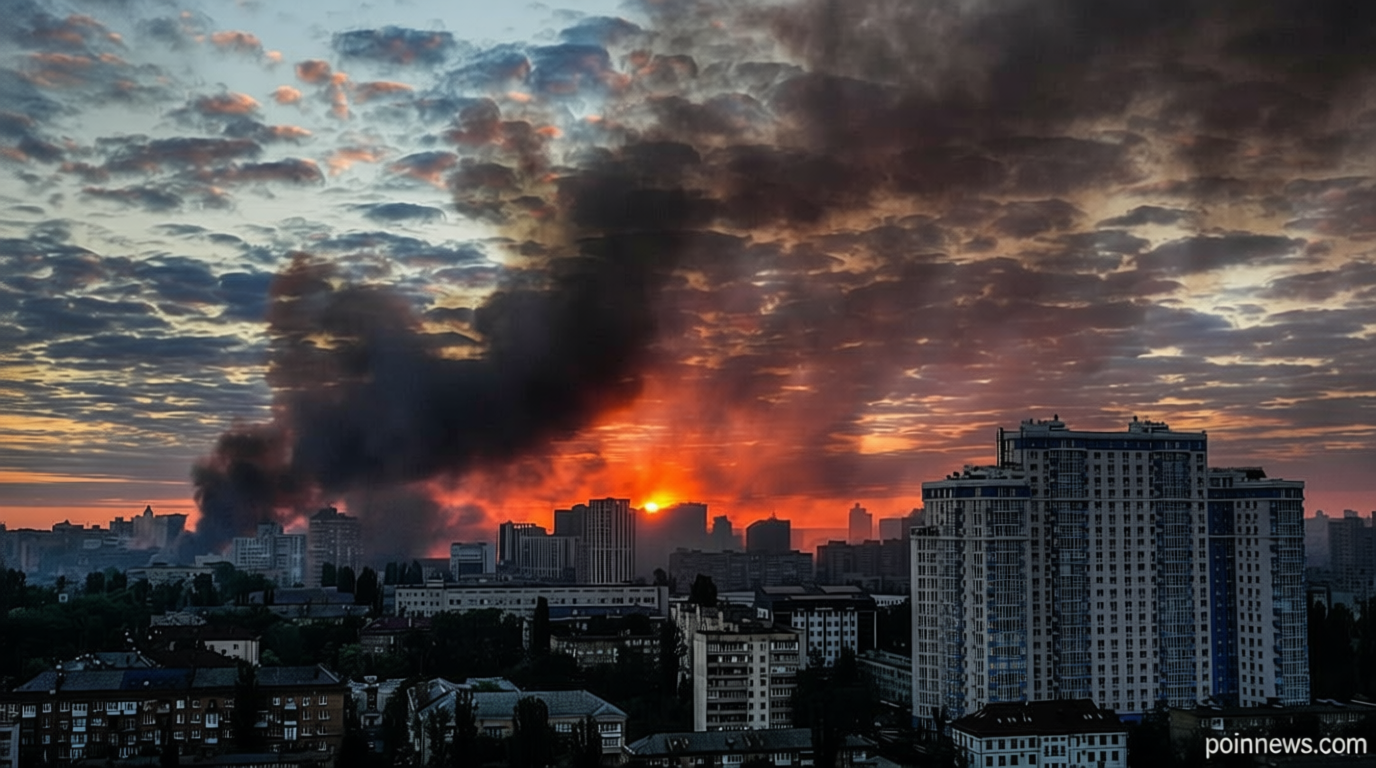
Survival guide: Key advice for what to do if you find yourself caught by a wildfire
Wildfire Survival Guide: Essential Strategies for Staying Safe Survival guide - A wildfire survival guide is crucial for anyone facing an emergency in the wild.

Wildfire Survival Guide: Essential Strategies for Staying Safe
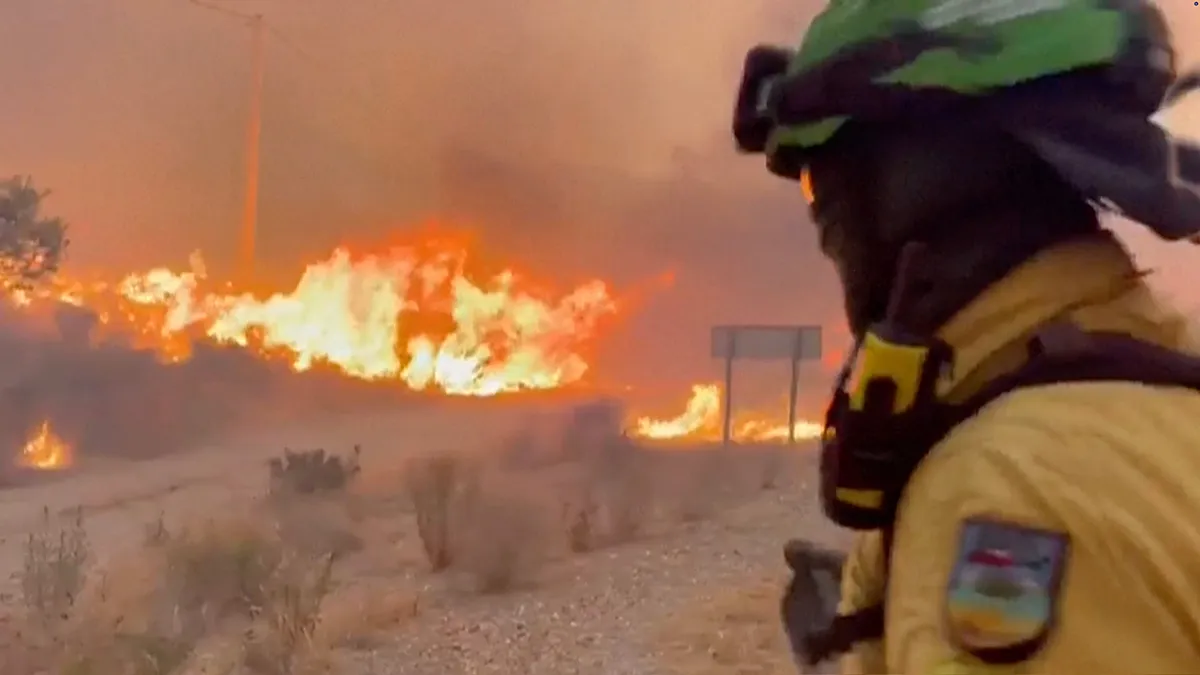
Poinews.com – A wildfire survival guide is crucial for anyone facing an emergency in the wild. Recent events, such as the outbreak in southern Spain that claimed at least 12 lives, underscore the importance of having a well-prepared response plan. This survival guide outlines critical steps to take when flames approach, ensuring that individuals can protect themselves effectively during such high-stakes situations.
Key Actions When Flames Are Near
Staying calm is the first step in any survival guide. When a wildfire threatens your location, immediately move to higher ground or away from the fire’s direction, especially if the wind is blowing toward you. Experts recommend prioritizing open spaces over dense vegetation, as burned areas offer less fuel for the fire to spread. In addition, keeping a damp cloth over your nose and mouth can reduce the risk of inhaling harmful smoke. Breathing in short, controlled bursts near the ground further minimizes exposure to toxic fumes.
Another vital aspect of a survival guide is understanding the speed at which wildfires can escalate. Flames can travel at hundreds of meters per minute, so quick decisions are essential. If you are unable to escape on foot, a vehicle can serve as a temporary shelter. Ensure all windows and doors are closed to prevent smoke from entering, and park in a spot that is as safe as possible. A survival guide also advises staying inside the vehicle until conditions improve or rescue teams arrive.
Evacuation and Post-Fire Precautions
Effective evacuation is a cornerstone of any survival guide. When leaving your home, carry only essential items: personal documents, medications, a charged phone, and enough water for the journey. Seal doors and windows with towels or blankets to create a barrier against smoke. A survival guide emphasizes the importance of following designated escape routes, as deviations can lead to dangerous bottlenecks or exposed areas.
“The tragedy in southern Spain highlights the need for a structured survival guide,” said Antonio Sanz, Andalusia’s minister for emergencies. “Those who ignored evacuation orders or took unmarked paths were caught off guard by the fire’s rapid advance, leading to fatal outcomes.”
After escaping, the survival guide reminds individuals to monitor their condition for signs of smoke inhalation, such as coughing or difficulty breathing. If burned, avoid removing clothing unless it is sticking to the skin. Keep the person lying on their side in a cool, safe environment and wait for medical professionals. These steps, part of a comprehensive survival guide, can significantly improve outcomes in the aftermath of a wildfire.
Additional Tips for a Complete Survival Guide
A thorough survival guide should also address preparedness before a fire occurs. Create an emergency kit with items like a flashlight, batteries, and a first-aid manual. Practice evacuation drills with your family or neighbors to ensure everyone knows the plan. In areas prone to wildfires, maintain a clear path around your home by removing dry vegetation and debris.
During evacuation, staying hydrated is key. Carry at least one liter of water per person, as dehydration can weaken the body’s ability to cope with stress. If you are driving, keep your headlights on for visibility, and if you must stop, park at least 100 meters from the fire line. These additional tips, included in a survival guide, can make the difference between life and death in a wildfire situation.
Long-Term Recovery and Prevention
Following a wildfire, a survival guide may also incorporate recovery strategies. Check for structural damage to your home and ensure it is safe to return. Monitor air quality for several days after the fire to avoid respiratory issues. For those affected, community support is vital, and local authorities often provide resources to help with rebuilding efforts.
Prevention is another critical element of a survival guide. Install smoke detectors, maintain defensible space around your property, and stay informed about local fire risks. In areas where wildfires are common, investing in fire-resistant materials for your home can reduce the risk of damage. By combining a survival guide with proactive measures, individuals can significantly enhance their safety and resilience in the face of natural disasters.