Toxic cloud from municipal pool forces lockdown in La Bisbal del Penedès, Tarragona
Toxic Cloud from Municipal Pool Causes Lockdown in La Bisbal del Penedès Incident Overview Toxic cloud from municipal pool forces - A toxic cloud originating

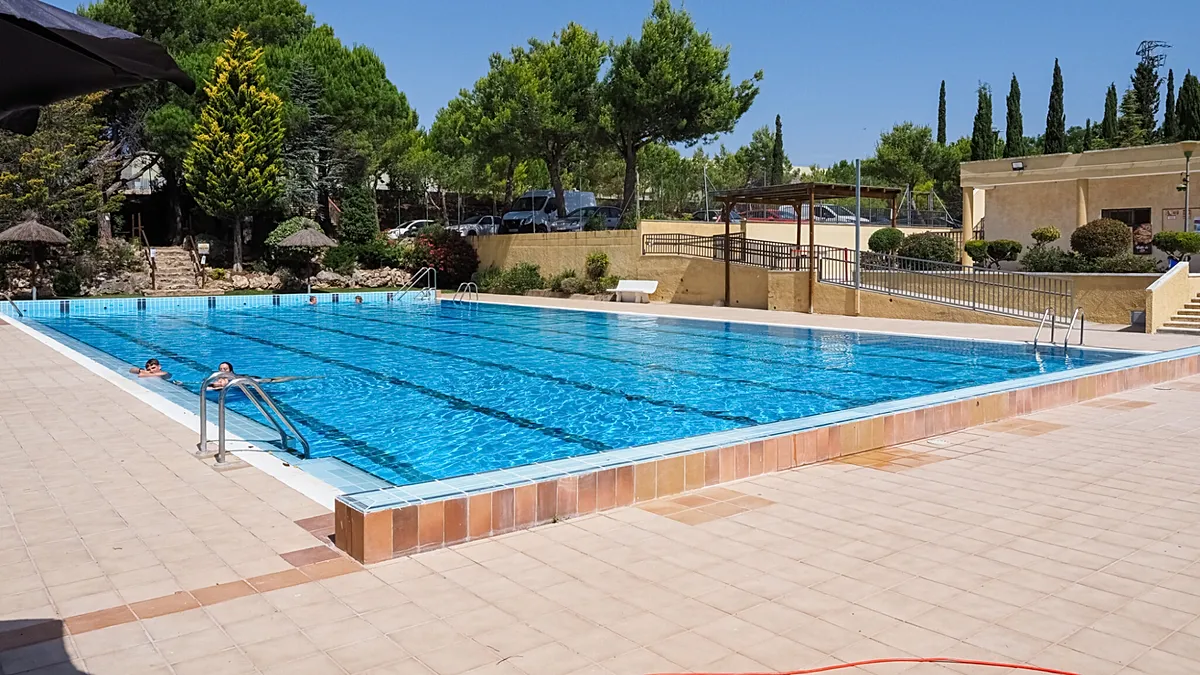
Toxic Cloud from Municipal Pool Causes Lockdown in La Bisbal del Penedès
Incident Overview
Poinews.com – A toxic cloud originating from a municipal pool in La Bisbal del Penedès, Tarragona, has led to a full-scale lockdown of the area. The incident, which occurred on July 10, 2026, was triggered by a sudden chemical reaction at the facility, releasing a dense cloud of harmful fumes into the surrounding environment. Emergency services were immediately alerted, and the local authorities activated the Procicat emergency protocol for chemical risks. The situation escalated rapidly, forcing nearby residents to remain indoors and prompting a thorough investigation into the cause of the toxic emission.
Residents were advised to close all windows, doors, and ventilation systems to minimize exposure. Local officials emphasized the importance of adhering to safety guidelines, as the toxic cloud from the municipal pool posed a significant health hazard to the community. The lockdown was enforced to protect both people and property until the source of the contamination was identified and neutralized.
Casualties and Immediate Response
The toxic cloud from the municipal pool resulted in 17 reported cases of health complications, with ten individuals requiring hospitalization. Among the affected were five children, who were treated for respiratory distress and skin irritation. Emergency medical teams arrived within minutes of the alert, providing on-site care to those with minor symptoms while transporting the more severe cases to nearby hospitals. The incident highlighted the urgent need for rapid response protocols in public spaces where hazardous substances are stored or processed.
Authorities confirmed that all patients hospitalized due to the toxic cloud from the municipal pool were stable and recovering well. Medical professionals attributed the health issues to exposure to the chemical fumes, which were reported to be strong and persistent. The use of personal protective equipment by first responders was critical in preventing further contamination during the initial stages of the crisis.
Emergency Measures and Containment
At 14:12 on the day of the incident, emergency services were dispatched to the municipal pool in La Bisbal del Penedès. Firefighters and hazmat teams worked swiftly to evacuate the facility, establish a safety perimeter, and initiate decontamination procedures. The toxic cloud from the municipal pool was contained using specialized equipment, while the affected tanks were drained to prevent the spread of the chemical mixture. Residents within a 500-meter radius were instructed to stay indoors, and public transportation services were suspended in the area to reduce human exposure.
Officials stated that the toxic cloud from the municipal pool had been neutralized within two hours, though the air quality in the vicinity remained a concern. Air quality monitoring stations were set up to track the dispersion of the fumes, and the local council continued to urge caution until the full decontamination process was complete. The incident also prompted a review of the facility’s safety protocols to prevent similar occurrences in the future.
Investigation and Root Cause
Authorities are currently investigating the root cause of the toxic cloud from the municipal pool. Preliminary reports indicate that the reaction was caused by a combination of chlorine and ammonia, which were stored in proximity to each other. The interaction of these chemicals under high temperatures led to the release of a noxious gas, with the exact composition still being analyzed. The local environmental agency has confirmed that the substances involved are commonly used in pool maintenance but can become hazardous if not properly managed.
Experts emphasized that the toxic cloud from the municipal pool was a result of inadequate storage practices and a lack of safety checks. The incident has raised awareness about the importance of proper chemical handling in public facilities, especially in areas with high population density. A full report is expected within the next week, which will outline the steps taken to prevent recurrence and improve emergency preparedness.
Community Impact and Recovery
The lockdown caused by the toxic cloud from the municipal pool disrupted daily life for residents in La Bisbal del Penedès. Schools and businesses were closed for the day, and local supply chains were temporarily affected. Despite the initial panic, the community showed resilience, with neighbors supporting one another and families staying together indoors. The local government has since launched a public awareness campaign to educate residents on the dangers of chemical exposure and the necessary precautions to take during such events.
Residents expressed concern about the long-term effects of the toxic cloud from the municipal pool, even after the immediate threat had passed. Some reported lingering odors and mild symptoms, prompting calls for additional health assessments. The incident also spurred discussions about the need for improved safety infrastructure in public facilities, ensuring that such emergencies can be managed more effectively in the future.
Ongoing Efforts and Future Precautions
As of the latest update, the toxic cloud from the municipal pool has been largely dissipated, but officials are continuing to monitor the area for any residual effects. The local council has announced plans to upgrade the facility’s storage systems and implement stricter safety measures to prevent similar incidents. Additionally, a task force has been formed to review all chemical handling procedures in public spaces across Tarragona. The community remains vigilant, with many residents now carrying air purifiers and keeping emergency supplies at home.
Experts warn that while the immediate crisis has been addressed, the toxic cloud from the municipal pool serves as a reminder of the potential risks associated with chemical storage. The incident has also led to increased collaboration between local authorities and environmental agencies to enhance safety protocols and ensure rapid response capabilities in the event of future emergencies.