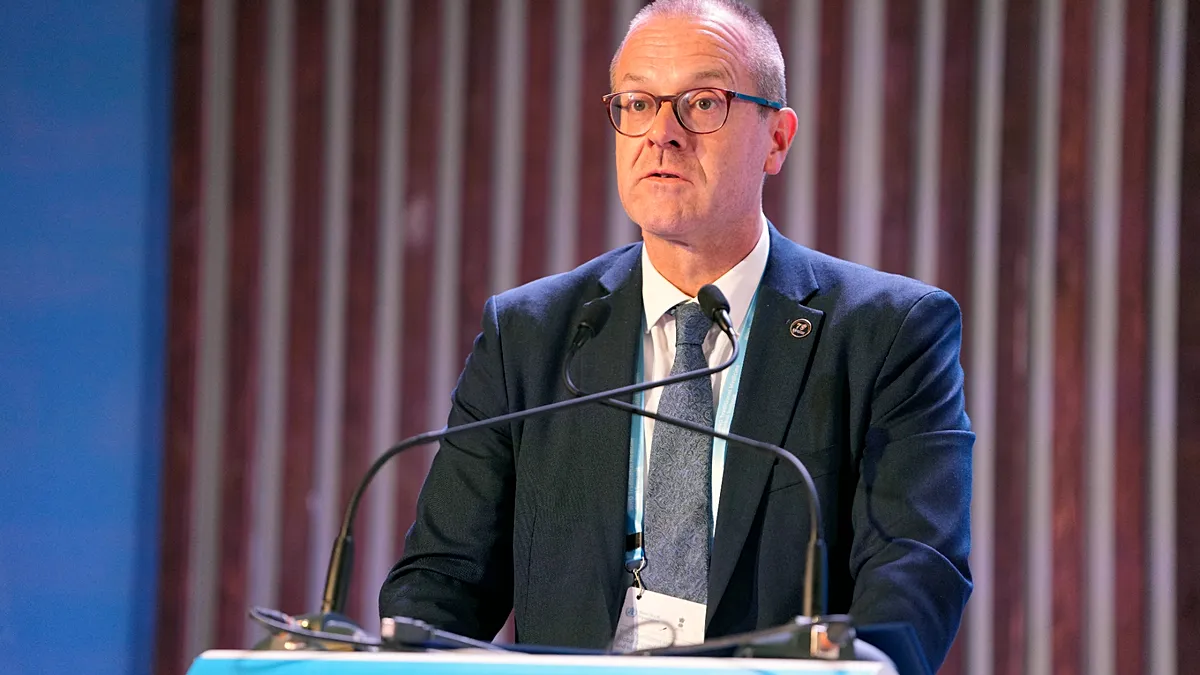
WHO chief visits Congo Ebola epicentre Saturday to urge community action
WHO Chief Visits Congo Ebola Epicentre Saturday to Urge Community Action WHO chief visits Congo Ebola epicentre - On Saturday, the head of the World Health

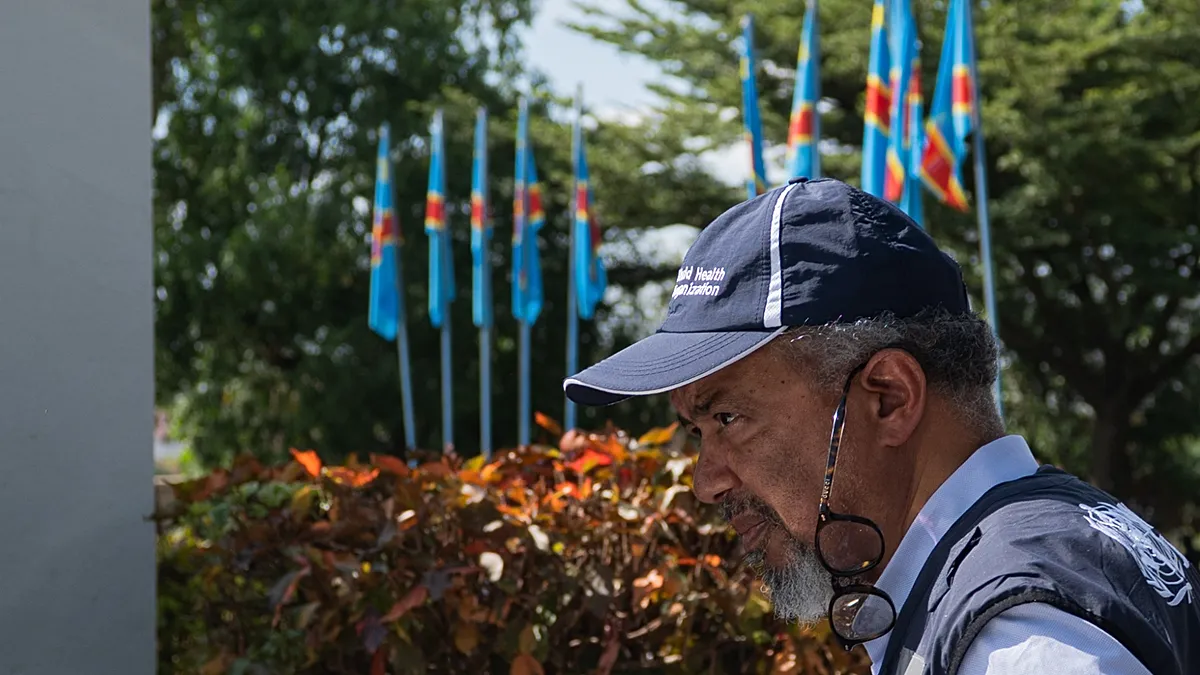
WHO Chief Visits Congo Ebola Epicentre Saturday to Urge Community Action
Poinews.com – On Saturday, the head of the World Health Organization, Tedros Adhanom Ghebreyesus, arrived in the Ituri province of the Democratic Republic of Congo (DRC), a region currently grappling with one of the most intense Ebola outbreaks. The visit marks a critical moment in the ongoing crisis, as the virus has outpaced the ability of health authorities to contain it, despite improved infrastructure and increased aid efforts. Ghebreyesus plans to tour a treatment facility and engage with local officials, medical personnel, and families affected by the disease in Bunia, the provincial capital.
As the outbreak intensifies, the WHO has emphasized the need for stronger community involvement in combating the virus. “The most effective strategy involves delivering full-scale support to the frontline efforts and ensuring continuous aid where it’s needed most,” Ghebreyesus said during a press briefing. He underscored that while international partners are aiding the DRC government, the success of the response hinges on local initiatives. “Our goal is to collaborate with communities, evaluate their efforts, and identify obstacles that require assistance,” he explained.
“If Ebola comes, we’ll be wiped out as we’re packed like sardines,” said Dorcas Mapenzi, a resident of Kingonze camp near Bunia.
The highly infectious haemorrhagic fever has already reached three eastern DRC provinces and neighboring Uganda, according to recent reports. Public health officials warn that the actual scale of the outbreak may be even greater, as the virus likely circulated undetected before being officially recognized. The DRC’s limited laboratory capacity complicates efforts to confirm cases, with the Africa Centres for Disease Control and Prevention reporting at least 1,077 suspected infections and 246 fatalities to date.
Uganda’s Ministry of Health confirmed nine new cases and one death on Friday, highlighting the virus’s growing reach. A significant milestone was reached when a patient tested negative twice and was released from a hospital in the DRC, marking the first confirmed recovery in the current outbreak. WHO spokesperson Anais Legand noted in Geneva that this development signifies progress in treatment protocols and containment strategies.
Over the past five decades, Ebola has claimed more than 15,000 lives across Africa. The DRC’s 2018–2020 outbreak, the deadliest on record, resulted in nearly 2,300 deaths out of 3,500 confirmed cases. This history underscores the urgency of the current situation, which has forced governments to take swift action. In response, Uganda and Rwanda have sealed their borders, with Uganda imposing a 21-day quarantine on travelers from the DRC. The Trump administration joined these efforts by restricting entry for individuals holding non-U.S. passports who had recently visited Congo, Uganda, or South Sudan.
Ituri province faces additional challenges beyond the health crisis. The region is plagued by insecurity, with the ADF militants linked to the Islamic State and ethnic militias regularly attacking civilians. This instability hinders access to remote areas, complicating the delivery of medical supplies and personnel. Meanwhile, nearby North and South Kivu provinces have also reported Ebola cases, areas that have experienced relentless violence for over 30 years. The Rwanda-backed M23 armed group controls parts of these regions, where two infections have been documented in key cities such as Goma and Bukavu.
Millions of people have been displaced due to the ongoing conflict, with nearly a million fleeing to Ituri province alone. Displacement camps, often lacking basic sanitation, pose a significant risk for disease transmission. Mapenzi’s warning reflects the fears of communities in these crowded spaces, where close contact is inevitable. The combination of poor hygiene and limited healthcare access has raised concerns about the virus spreading rapidly within the camps.
Despite these challenges, the WHO and other international bodies remain committed to supporting the DRC’s response. The organization has praised the country’s improved coordination of health services and the arrival of additional resources. However, the virus’s resilience and the region’s vulnerabilities have kept the situation precarious. Public health experts stress that community engagement is essential, as local trust and participation can determine the effectiveness of containment measures.
Efforts to manage the outbreak have included mobile testing units and public awareness campaigns, but logistical hurdles persist. The lack of reliable transportation and communication networks in conflict-affected zones has slowed response times. In Bunia, Ghebreyesus will assess the progress of treatment centers and the role of local leaders in promoting preventive measures. His presence is intended to reinforce the importance of collective action, both from health workers and civilians.
As the epidemic continues to evolve, the WHO is urging global solidarity. “We must not only respond to the outbreak but also strengthen systems that can prevent future crises,” Ghebreyesus emphasized. The international community’s role is critical, but he reiterated that sustainable solutions require the active involvement of local populations. “Without community support, even the best resources may fall short,” he said, highlighting the dual challenge of controlling the virus and addressing the underlying socio-political instability.
With the number of cases rising, the focus remains on preventing a larger-scale epidemic. The DRC’s health authorities are working alongside international partners to expand testing capabilities and improve isolation protocols. However, the specter of a widespread outbreak looms large, particularly in densely populated areas where the risk of transmission is heightened. The WHO’s visit underscores the global recognition of the DRC’s struggle and the need for a unified approach to combat this devastating disease.
As the crisis deepens, the DRC’s ability to manage the outbreak depends on a delicate balance between medical intervention and community resilience. The WHO chief’s visit is a reminder that while external aid is vital, the true turning point lies in the cooperation of those most affected. With ongoing efforts and a renewed emphasis on local action, there is hope that the epidemic can be contained before it spirals further out of control.