Italy’s poorest region relies on Cuban doctors despite US pressure to cut ties
Italy's Most Challenged Region Maintains Cuban Medical Partnership Amid U.S. Tensions Italy s poorest region relies on Cuban - Calabria, Italy's economically

Italy’s Most Challenged Region Maintains Cuban Medical Partnership Amid U.S. Tensions
Poinews.com – Calabria, Italy’s economically disadvantaged southern region, continues to rely on Cuban medical professionals despite increasing diplomatic pressure from the United States to sever ties. This collaboration, part of a longstanding initiative, has become a critical lifeline for the area, which has faced significant healthcare challenges. The U.S. has criticized the program, viewing it as a financial benefit for Cuba’s socialist regime, and has sought to discourage European nations from engaging with the country.
Cuba’s Health Expertise in Global Context
Cuba is renowned for its high ratio of doctors to population, with approximately 9.5 physicians per 1,000 people, surpassing nearly all other nations. This density, which is almost three times the OECD average, has made the country a key player in global health initiatives. For decades, Cuba has dispatched medical teams to countries with limited resources, including the Gambia and Venezuela. Its community-focused approach to prevention has attracted international attention and study.
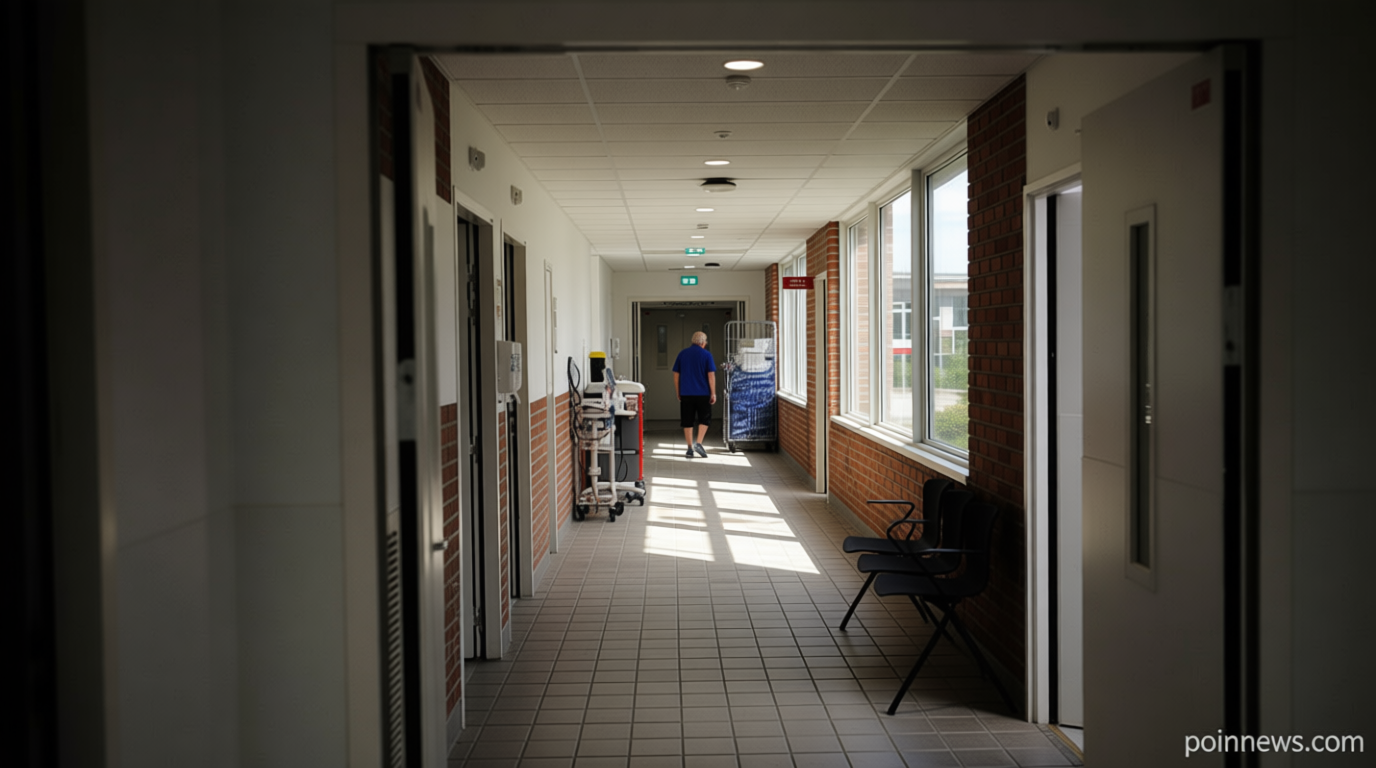
Calabria’s healthcare system has been strained by a shortage of local medical staff, leading to the closure of several hospital departments. Before the arrival of Cuban doctors in January 2023, the Polistena hospital’s chief physician, Francesco Moschella, described the situation as dire, stating that he was managing the emergency room alone. The presence of Cuban medical professionals has since alleviated this crisis, according to officials.
U.S. Diplomatic Campaign Against Cuban Missions
The U.S. has intensified its efforts to dissuade countries from collaborating with Cuba, accusing the program of being a form of human trafficking. Critics argue that Cuban doctors are kept in low-paying roles and may have their passports restricted. U.S. Ambassador Mike Hammer visited Calabria in February to discuss these concerns with regional leaders.
Calabria’s president, during the meeting, emphasized that the region depends on the Cuban workforce to maintain operational stability. While acknowledging political differences with Cuba’s socialist model, he defended the partnership, highlighting its importance for public health. The government has also introduced incentives to encourage local doctors to return, though it remains committed to retaining the Cuban staff.
“It was a disaster. I was keeping the emergency room open all by myself,” said Francesco Moschella, recalling the days before Cuban doctors arrived.
Broader Impact of U.S. Pressure
Calabria is not alone in facing U.S. pressure to cut ties with Cuba. In March, Jamaica terminated its 50-year medical cooperation agreement, impacting nearly 300 healthcare workers. Similarly, Honduras expelled over 150 Cuban medical staff. These moves reflect the U.S. strategy to undermine Cuba’s international presence in health services.
Despite its agricultural strengths and growing tourism, Calabria’s wages remain 30% below the Italian average, and its unemployment rate is twice the national figure. Public healthcare access in the region lags behind the rest of the country, according to the Italian health ministry. The Cuban doctors, however, have become essential to addressing these gaps, particularly in emergency care.
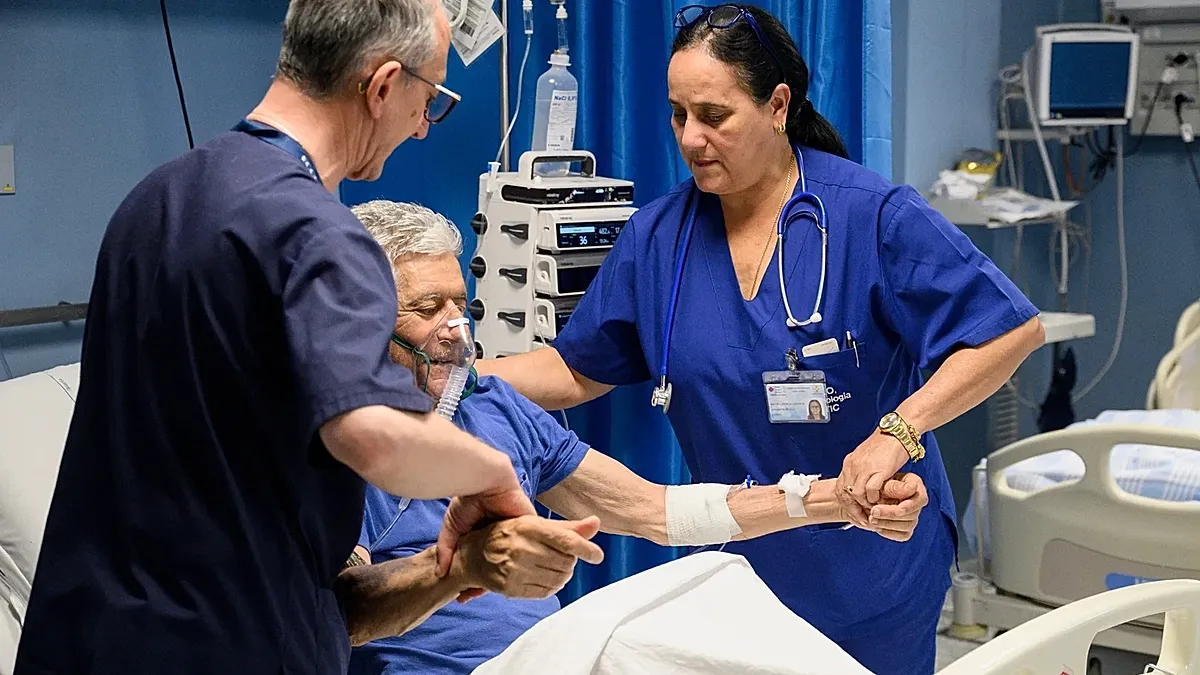
“In this hospital there were lines that lasted up to eight or 12 hours. Now, thanks to our work, in less than an hour a doctor visits you,” explained Zoila Yakelin Arevalo Cruz, an emergency medicine specialist.
Many Cuban doctors in Calabria report sending half their earnings back to their homeland, a gesture of gratitude for their education and training. “We are all aware of the economic situation Cuba is going through. It’s a contribution we make voluntarily because Cuba trained us, educated us, and made us doctors,” said Arevalo Cruz.
“We do not consider ourselves modern-day slaves at all, as somebody called it. We love our country, we give an economic contribution and we are happy to do so,” added Daisy Luperon Loforte, a Cuban cardiologist.
Recent reports indicate that 63 Cuban doctors, some with prior international experience, have applied to work within Italy’s healthcare system independently. This shift underscores the adaptability of the Cuban medical community and the ongoing significance of their contributions to European health infrastructure.