Hungary to join European Prosecutor’s Office, allowing probes into Orbán-era corruption allegations
Hungary to Join European Prosecutor's Office, Opening New Investigations into Corruption Allegations Hungary to join European Prosecutor s Office - Hungary’s

Hungary to Join European Prosecutor’s Office, Opening New Investigations into Corruption Allegations
Poinews.com – Hungary’s recent decision to join the European Prosecutor’s Office (EPO) marks a pivotal moment in the country’s relationship with the European Union, as it enables cross-border investigations into corruption claims linked to the Orbán-era administration. The European Commission has officially approved Hungary’s membership, which will take effect later this year, allowing the EPO to probe alleged misconduct involving EU funds from the previous government. This move is seen as a critical step toward addressing systemic corruption and aligning with EU anti-fraud mechanisms, though it comes with political and institutional implications for Hungary.
The European Prosecutor’s Office: Structure and Powers
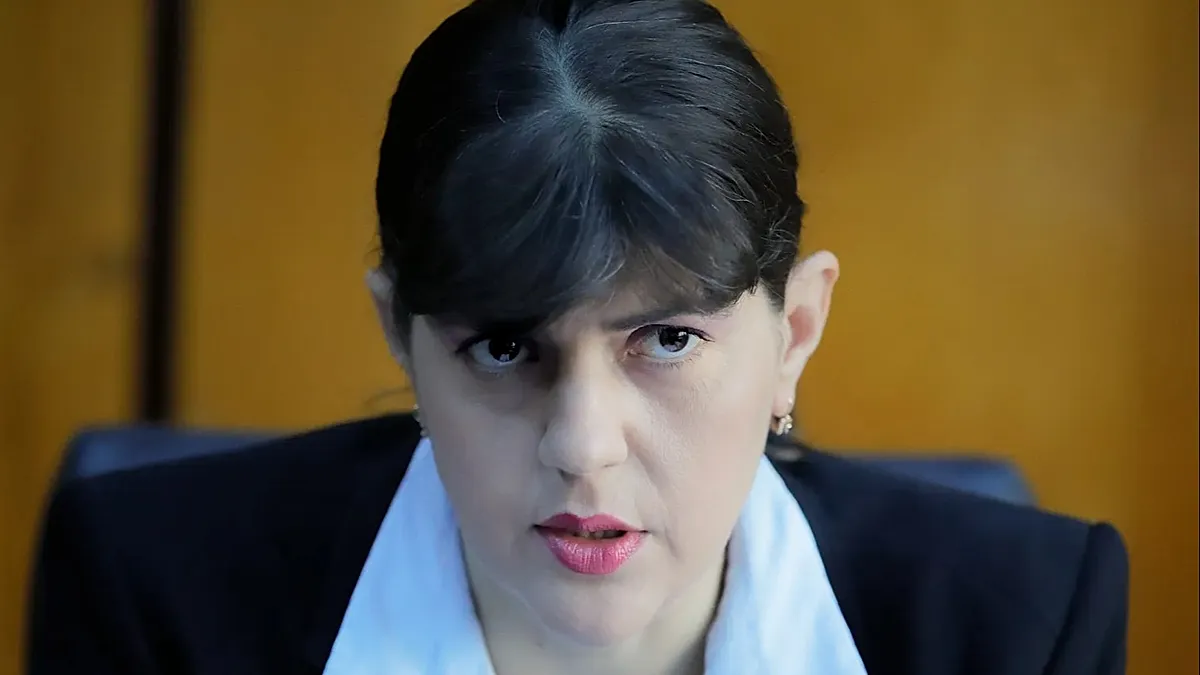
The European Prosecutor’s Office, established in 2021, is a specialized EU body tasked with investigating crimes related to the misuse of EU funds. It operates across member states, with the authority to open cases and conduct investigations into suspected fraud, corruption, and other financial violations. Hungary’s inclusion as the 25th member of the EPO means it will now have to nominate three candidates for the role of prosecutor and build the necessary legal and administrative frameworks to support the office’s operations. This includes ensuring cooperation with EU institutions and the ability to initiate probes into past financial irregularities.
“This approval represents a turning point for Hungary’s judicial independence and its commitment to transparency,” stated Ursula von der Leyen, President of the European Commission, in a statement following the decision. “By joining the EPO, Hungary will now have the tools to investigate corruption allegations that have long been tied to its previous leadership.”
Hungary’s previous government, led by Prime Minister Viktor Orbán, had resisted joining the EPO, citing concerns over national sovereignty and the potential for EU oversight to interfere with domestic judicial processes. However, the country’s recent political shift—following the April parliamentary elections that saw the victory of Péter Magyar’s party—has led to a change in stance. Magyar, who pledged to reform the judiciary and combat corruption, has prioritized EU alignment, signaling a potential end to the era of widespread allegations against Orbán’s administration. The EPO’s involvement will now extend to cases involving public officials, businesses, and institutions from the past decade of Orbán’s rule.
Background on Orbán-Era Corruption Allegations
Since 2010, Hungary’s government under Viktor Orbán has been scrutinized for its handling of EU funds, with numerous investigations pointing to systemic corruption. Critics argue that the previous administration manipulated EU grants to benefit its allies and favored specific projects that aligned with its political agenda. The European Commission suspended a significant portion of Hungary’s EU funding in 2021, citing “serious breaches” of EU law and corruption risks. By joining the EPO, Hungary now faces the prospect of independent oversight and the potential for legal action against individuals and entities associated with these allegations.
The EPO’s role in Hungary’s case will include examining cases of bribery, embezzlement, and other financial crimes. It will also have the power to request evidence, interview witnesses, and coordinate with national authorities to ensure accountability. This development is expected to strengthen the EU’s ability to hold member states to financial standards, even as some countries like Denmark and Ireland have opted out of the EPO, maintaining greater control over their domestic legal systems. Hungary’s participation underscores the EU’s growing influence in shaping the anti-corruption landscape across its member states.
While the EPO’s involvement may bring new scrutiny, it also offers Hungary an opportunity to demonstrate its commitment to reform. The country’s new government will need to navigate the challenges of integrating the EPO’s powers into its existing legal framework, particularly in light of the political changes that have taken place. This shift is part of a broader trend of member states acknowledging the need for stronger anti-corruption measures, even as debates over sovereignty and EU oversight continue to shape the political discourse within the bloc.
With the EPO now active in Hungary, the focus will turn to the specific cases under investigation. These include allegations of financial mismanagement, kickbacks, and the misuse of public resources during Orbán’s tenure. The office’s ability to probe these cases independently could lead to landmark rulings that affect the legacy of the previous administration. As Hungary moves forward, the EPO’s role in uncovering corruption will be closely watched, both within the EU and by domestic stakeholders seeking accountability for past practices.