Eiffel Tower and other Paris landmarks to close early as another heatwave sweeps France
Eiffel Tower and Paris Landmarks to Close Early Amid Intense Heatwave Eiffel Tower and other Paris landmarks - Paris is set to experience early closures at

Eiffel Tower and Paris Landmarks to Close Early Amid Intense Heatwave
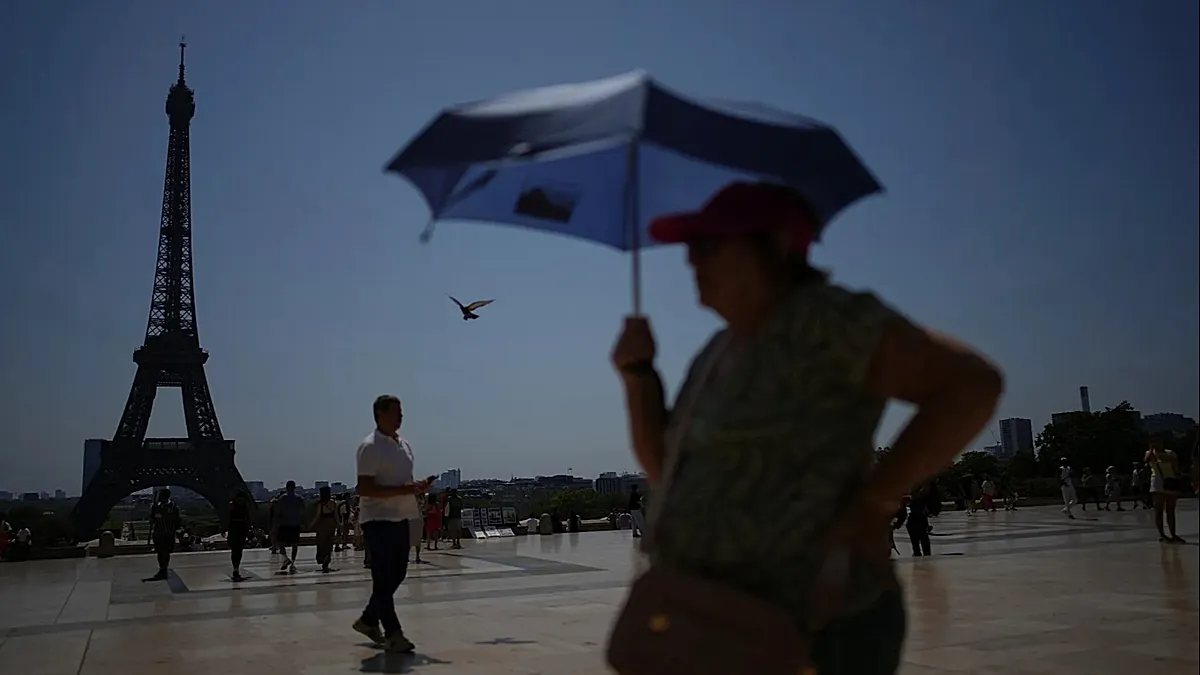
Poinews.com – Paris is set to experience early closures at its most iconic attractions, including the Eiffel Tower and other notable landmarks, as a new heatwave grips the region. In response to extreme temperatures that have pushed the city into a crisis mode, officials have announced that the Eiffel Tower will close at 4 p.m. on Saturday and Sunday, marking a significant change to its usual operating hours. The Louvre Museum will also join the closure schedule, opening later than usual and closing at the same time. This decision comes as part of a broader effort to protect visitors and staff from the sweltering heat, with additional measures set to extend closures into Monday for the Musée d’Orsay. The move underscores the growing impact of climate-driven weather patterns on France’s cultural heritage sites.
Record-Breaking Heat and Urban Challenges
The current heatwave, which is the third to hit France since May, has intensified across 24 regions in northwestern France, triggering red heat alerts from Météo-France. Temperatures are expected to soar to between 35°C and 38°C in most areas, with certain regions like Burgundy and Pays de la Loire facing even higher peaks of 39°C. As citizens prepare for Bastille Day celebrations on July 14, the city is under pressure to manage the extreme conditions. The Eiffel Tower and other Paris landmarks are among the first to feel the strain, with their closures serving as a stark reminder of how heatwaves are reshaping daily life in the French capital.
Historically, the Eiffel Tower and other Paris landmarks have been resilient to weather extremes, but this heatwave has introduced new challenges. The tower’s iron structure, while designed to withstand decades of environmental stress, is now facing unprecedented thermal expansion. Officials have cited concerns about the structural integrity of historical buildings and the risk of heat-related illnesses among visitors and workers. This has led to a coordinated effort across Paris to implement measures that prioritize safety without compromising the city’s cultural appeal.
Citywide Cooling Initiatives and Public Health Measures
Paris Mayor Emmanuel Grégoire has unveiled a series of citywide cooling initiatives to combat the heatwave’s effects. These include extending the hours of public parks and swimming pools, setting up additional water stations in key areas, and launching targeted support for vulnerable populations. The mayor emphasized that the closures of the Eiffel Tower and other Paris landmarks are not just about convenience but about safeguarding public health. “The city will be extending heatwave measures to ensure public safety,” Grégoire stated in a recent address, highlighting the need for proactive responses to extreme weather.
“We’re prioritizing the well-being of residents over temporary disruptions,” the mayor added, underscoring the city’s commitment to protecting its citizens during the ongoing crisis. This includes the deployment of mobile cooling units in high-traffic zones and the distribution of heat advisories through public channels. The measures are part of a larger plan to prepare for future heatwaves, which are expected to become more frequent as global temperatures rise.
Experts have noted that the frequency and intensity of heatwaves in France are on the rise, a trend linked to climate change. The Eiffel Tower and other Paris landmarks, which draw millions of visitors annually, are now at the center of this conversation. With temperatures expected to remain elevated for the next several days, the city is also urging residents to limit outdoor activities during peak heat hours. The closures have sparked debate about the balance between preserving cultural assets and ensuring public safety, especially as the heatwave threatens to disrupt major events and tourism.
Broader Impacts of the Heatwave Across France
While Paris is taking center stage in the heatwave response, the effects are felt nationwide. In northern Italy, the River Po has reached a critical drought level, impacting agriculture and raising concerns about water scarcity. Elsewhere, Spain’s firefighters are working to contain wildfires that have broken out in regions like Almería, with at least 12 fatalities and over 1,400 evacuations reported. These incidents highlight the interconnected nature of climate events, as rising temperatures affect not just cities but entire regions, from the bustling streets of Paris to the rural landscapes of Italy and Spain.
The Eiffel Tower and other Paris landmarks are not the only casualties of the heatwave. Public transportation systems have faced delays, and outdoor markets have been forced to adjust their schedules. However, the city’s approach to managing the crisis has been praised for its strategic use of resources and public awareness campaigns. By prioritizing the Eiffel Tower and other Paris landmarks, Paris is setting an example of how urban centers can adapt to extreme weather while maintaining their cultural and economic vitality.