‘What’s left is you’: AI is the elephant in the room of Europe’s biggest animation festival
AI at Annecy Festival: 'What's Left Is You' Sparks Debate What s left is you - As Europe's largest animation festival, Annecy, drew attendees to its lakeside

AI at Annecy Festival: ‘What’s Left Is You’ Sparks Debate
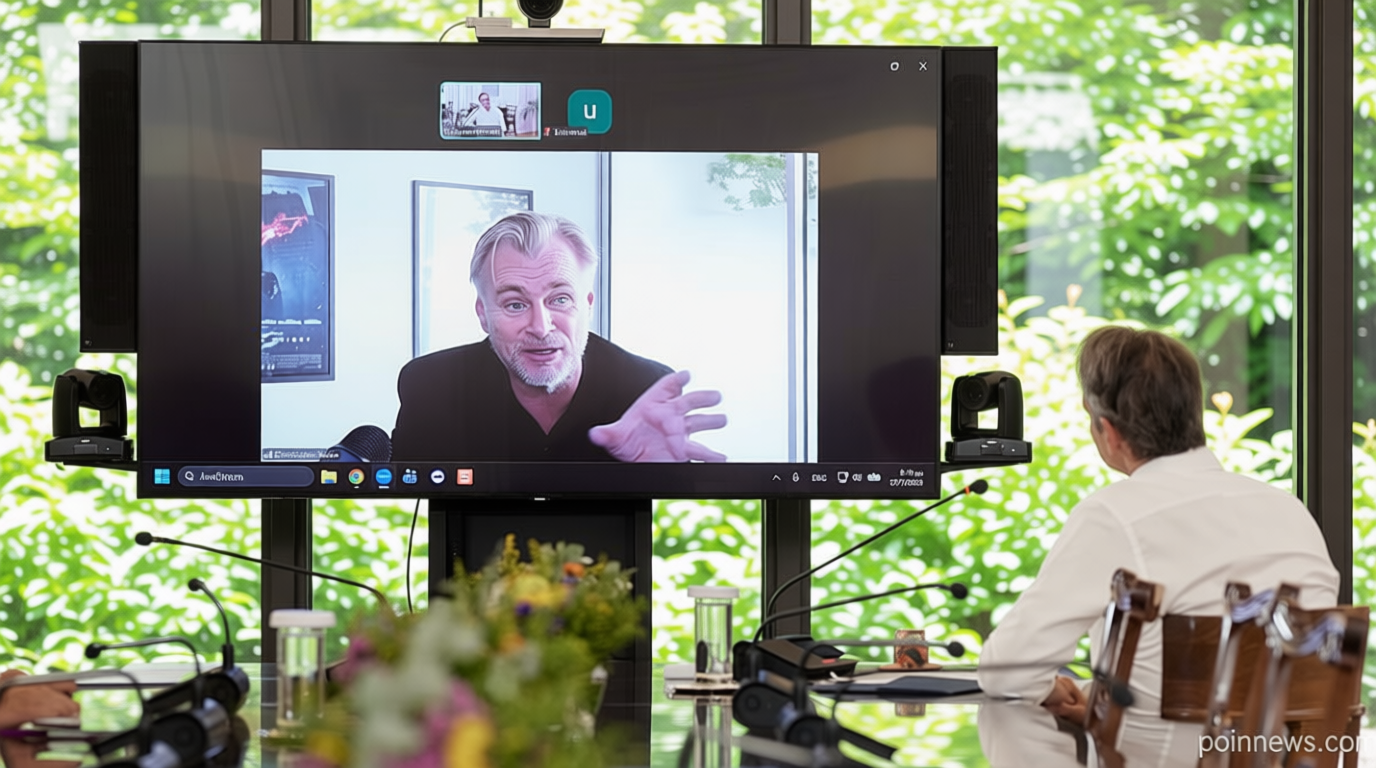
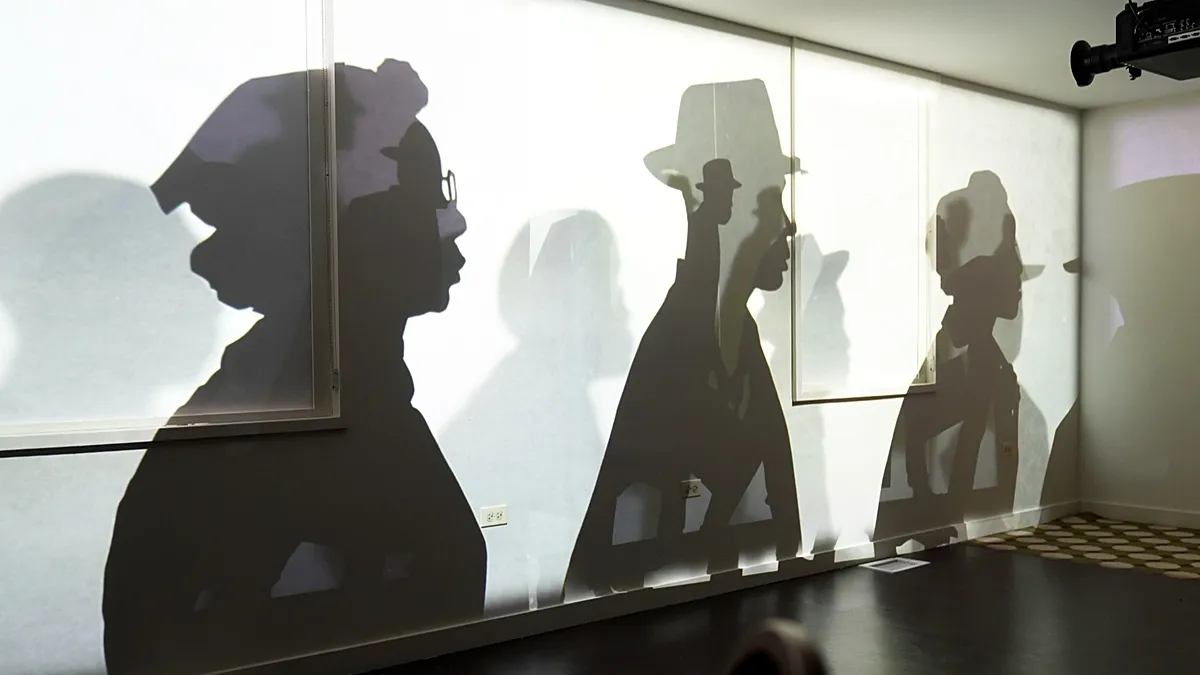
Poinews.com – As Europe’s largest animation festival, Annecy, drew attendees to its lakeside venue in the French Alps, the phrase “What’s left is you” became a recurring refrain in discussions about artificial intelligence’s growing influence. The sweltering conditions of the 40-degree heatwave outside mirrored the heated conversations within the festival’s tents, where animators, producers, and industry leaders grappled with the challenge of preserving human creativity in an era of automation. This year’s event, themed “Animation: More Human Than Ever,” underscored a critical question: how can animation maintain its unique artistic identity when AI tools are increasingly shaping the production process?
AI and the Evolution of Animation
The debate over AI’s role in animation has intensified in recent years, with this year’s Annecy festival bringing the issue to the forefront. Panelists at the event, including Mark Flanagan, a veteran in computer graphics, and Henry Daubrez from Google Labs, explored whether AI could become a partner or a rival in the creative journey. The discussion highlighted both the potential of AI to revolutionize efficiency and the risks of diminishing human involvement in the art. Flanagan noted that while AI could handle repetitive tasks, it still left room for the “human essence” that defined animation as a distinct medium. Daubrez, on the other hand, argued that AI’s democratizing power could enable smaller studios to compete with larger ones, though he cautioned against losing sight of the creative soul behind the technology.
“What’s left is you,” Benjamin Michel remarked, encapsulating the panel’s central theme. His assertion that AI could reduce the need for $50 million budgets—once a hallmark of big-name studios—sparked concern among traditionalists. Some worried that AI might erode the value of experience, with one panelist suggesting that the industry could face a “padding” of talent as junior artists became replaceable in a rapidly evolving landscape.”
Industry Perspectives and Practical Challenges
While the panelists shared their views, the broader industry presented a more fragmented picture. Jade Hautin, representing Frogbox, expressed cautious optimism, acknowledging AI’s potential to streamline workflows but questioning its long-term impact on creativity. “Part of you wants it to work, and part of you doesn’t,” she said, capturing the uncertainty many felt. Leo Neumann, from a small German studio, echoed this sentiment, emphasizing that AI’s efficiencies often came at the cost of creative control. “For a small team that wants to keep its hands on the film, testing the tools and integrating them into the pipeline eats more time than it saves,” Neumann admitted, highlighting the practical hurdles of adopting new technologies.
“AI is the elephant in the room,” Neumann added, as his studio debated whether to embrace automation fully or maintain a human-centric approach. This tension was palpable at Annecy, where the festival’s theme of human connection clashed with the reality of AI-driven production. The challenge, as many pointed out, lay in balancing innovation with the preservation of the intangible qualities that make animation a deeply expressive art form.”
Global Reactions to AI in Animation
Beyond the festival tents, the impact of AI on animation extended to global conversations. Jorge R. Gutiérrez, the Mexican director behind iconic works like *Maya and the Three*, became a symbol of the industry’s divide. His brief foray into Amazon’s AI initiative and subsequent withdrawal drew attention to the fear that automation could strip animation of its emotional depth. Gutiérrez’s own experience underscored the anxiety felt by creators who worry about losing the personal touch that defines their work. “Actions speak louder than words,” he wrote in a statement, expressing regret over the backlash he faced, which included threats to his family, as critics questioned AI’s role in diminishing the creative ladder for younger artists.
“What’s left is you,” Gutiérrez had once said, a line that resonated deeply with attendees. His journey from AI adoption to retreat highlighted the broader industry’s struggle to reconcile technological progress with artistic integrity. While some viewed AI as a tool to enhance creativity, others saw it as a threat to the human element that made animation so compelling. The festival’s panels and discussions served as a microcosm of this global debate, where the phrase “What’s left is you” became both a rallying cry and a point of contention.”
Future of Animation in the AI Era
As the festival wrapped up, one thing remained clear: the future of animation is uncertain. While AI offers unprecedented possibilities, its integration into the industry has sparked both excitement and apprehension. Some, like Daubrez, see it as a means to democratize access to animation tools, allowing independent creators to produce high-quality work without massive budgets. Others, like Hautin and Neumann, remain wary, stressing the importance of human input in maintaining the emotional resonance of animated stories. The phrase “What’s left is you” encapsulated this duality, reflecting the idea that AI could amplify creativity while also demanding that creators prove their unique value in a world increasingly shaped by machines.
Amid these discussions, the festival’s organizers faced the challenge of ensuring AI’s role was neither ignored nor overstated. By centering the debate around “What’s left is you,” they invited attendees to reflect on the balance between innovation and artistry. As the industry continues to evolve, the question of how to preserve the human spirit in animation will remain central to its future.