Evacuees allowed to return home after deadly Spain wildfire stabilises
Evacuees Allowed to Return Home as Spain Wildfire Stabilises Evacuees allowed to return home after - The deadly wildfire that ravaged Spain’s Almería

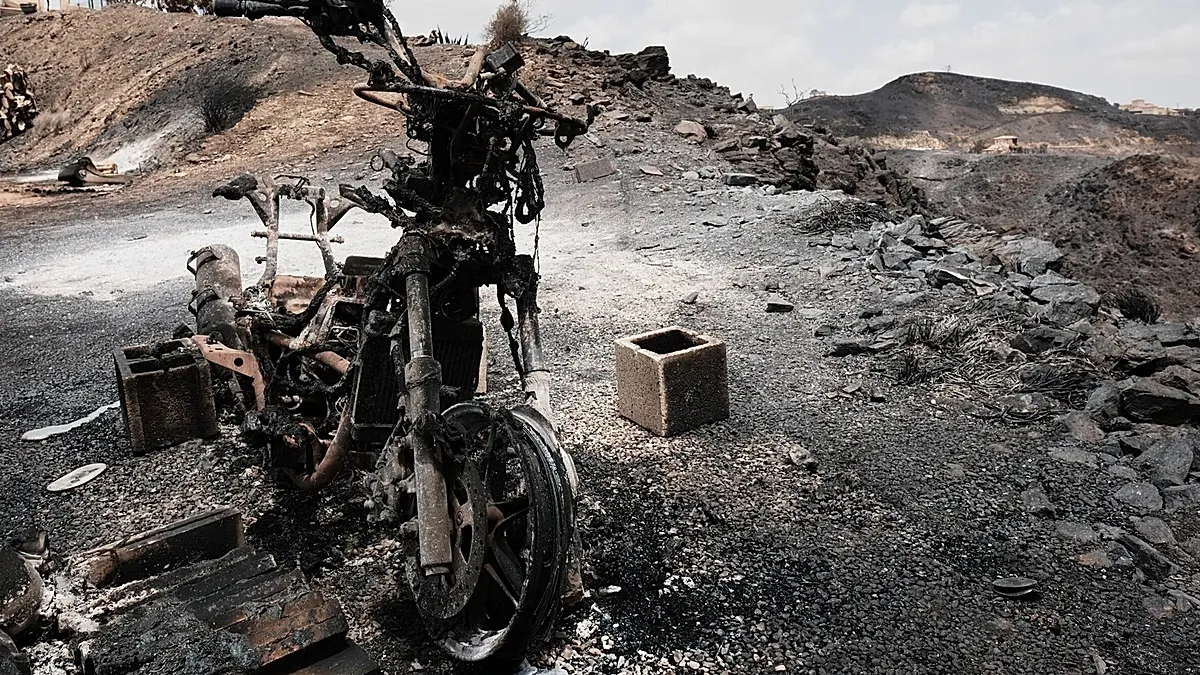
Table of Contents
Evacuees Allowed to Return Home as Spain Wildfire Stabilises
Poinews.com – The deadly wildfire that ravaged Spain’s Almería province, claiming at least 12 lives, has now entered a stabilised phase, with local authorities confirming that the situation is under control. This development comes after days of intense firefighting efforts and the gradual easing of extreme weather conditions, which included dangerously high temperatures and strong winds. The news has brought relief to thousands of evacuees who were displaced from their homes in the region, as officials have announced the gradual return of residents to their properties. The focus keyword Evacuees allowed to return home has become a central theme in the community’s recovery, marking a significant milestone in the aftermath of the disaster.
Firefighting Efforts and Weather Factors
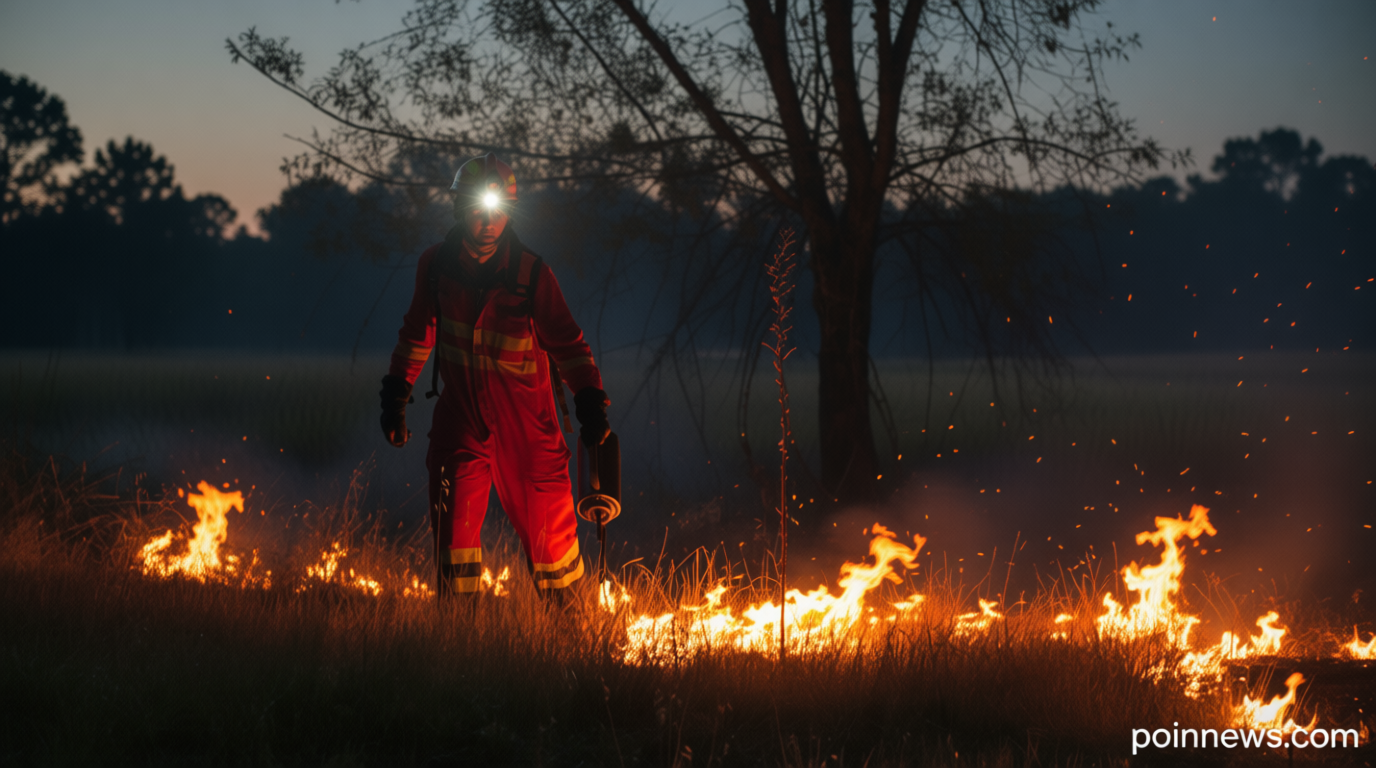
Since the outbreak of the blaze, which began on Thursday during a severe heatwave, emergency services have worked tirelessly to combat the spread of flames. The fire, which quickly escalated into a catastrophic event, forced the evacuation of over 1,500 people from the surrounding areas. However, the recent shift in weather has played a crucial role in containing the disaster. Calmer winds and increased humidity have provided firefighters with the necessary conditions to secure much of the fire’s perimeter, reducing its threat to nearby communities. Authorities have reported that the blaze, which consumed approximately 7,000 hectares of land, is now stabilised, allowing the process of evacuees allowed to return home to begin in earnest.
Local fire crews, alongside regional and national agencies, have deployed advanced equipment and strategies to manage the fire effectively. The efforts have been bolstered by the collaboration of volunteers and specialized teams, who have worked around the clock to prevent further damage. This collective action has not only helped in controlling the flames but also in ensuring the safety of residents who were at risk. As the fire stabilises, the priority has shifted from immediate containment to assessing the damage and supporting the recovery of affected families. The phrase Evacuees allowed to return home now resonates as a symbol of resilience, with many residents expressing gratitude for the progress made so far.
Community Impact and Ongoing Recovery
The impact of the wildfire on the local community has been profound, with both physical and emotional consequences. The loss of 12 lives has left families in mourning, while the displacement of thousands has disrupted daily life and livelihoods. However, the news that evacuees allowed to return home has provided a sense of normalcy and hope. As the fire crews continue their work, the focus is now on rebuilding homes, restoring infrastructure, and offering psychological support to those affected. The affected area, which spans parts of Almería’s rural landscapes, has seen a mix of devastation and recovery, with some neighborhoods reporting minimal damage while others face more extensive rebuilding efforts.
Authorities have also taken steps to ensure that the return of evacuees allowed to return home is well-organized. A phased approach has been adopted, with residents being permitted to re-enter their homes only after thorough inspections confirm that the risk of reignition is minimal. This cautious strategy aims to prevent secondary fires and protect both the environment and the safety of returning residents. The regional government has allocated resources for temporary shelters and logistical support, ensuring that those displaced can transition back to their normal routines without further disruption. Additionally, the government has pledged to provide financial assistance for damaged properties, highlighting their commitment to aiding the affected population.
Investigations into the Fire’s Origin
While the immediate threat of the fire has subsided, investigations into its cause are ongoing. Initial reports suggest that the blaze originated from a power line failure, which occurred during the extreme heatwave that gripped the region in recent weeks. The high temperatures, which exceeded 40°C in some areas, are believed to have contributed to the rapid spread of the fire, making it difficult for crews to respond effectively in its early stages. Officials have also highlighted the role of human activity, with some areas near the fire’s perimeter experiencing minor incidents of arson, though the primary cause is still under review.
As the focus keyword Evacuees allowed to return home becomes more prominent in news updates, the incident has sparked a broader conversation about climate change and its impact on natural disasters. Spain, like many other Mediterranean countries, has seen an increase in the frequency and intensity of wildfires in recent years, attributed to rising temperatures and prolonged droughts. This particular event has underscored the importance of preparedness and rapid response mechanisms, prompting calls for improved infrastructure and community resilience programs. The successful containment of the fire and the gradual return of evacuees allowed to return home serve as a testament to the effectiveness of these measures when implemented swiftly.
Residents in the affected area are now beginning to rebuild their lives, with many expressing relief at the progress made. The phrase Evacuees allowed to return home has become a rallying point for the community, symbolizing the end of an intense period of uncertainty. As the fire continues to stabilise, authorities have emphasised the need for continued vigilance, warning that the situation could still evolve depending on weather conditions. The recovery process will require sustained efforts, not only to address the immediate aftermath but also to strengthen emergency response systems for future incidents. For now, the gradual return of evacuees allowed to return home offers a glimmer of hope in the face of a devastating event.