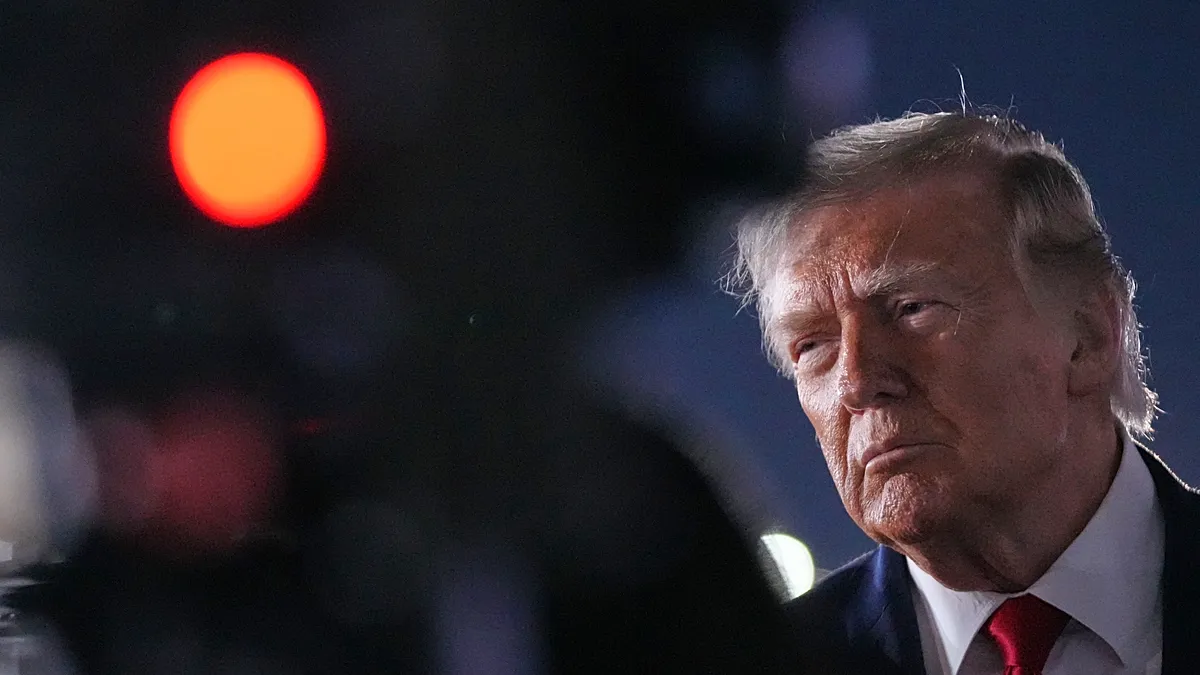
Donald Trump storms out of tense NBC interview after ‘rigged election’ clash
Donald Trump Storms Out of Tense NBC Interview After 'Rigged Election' Clash Donald Trump storms out of tense - During a heated NBC interview on Sunday

Donald Trump Storms Out of Tense NBC Interview After ‘Rigged Election’ Clash
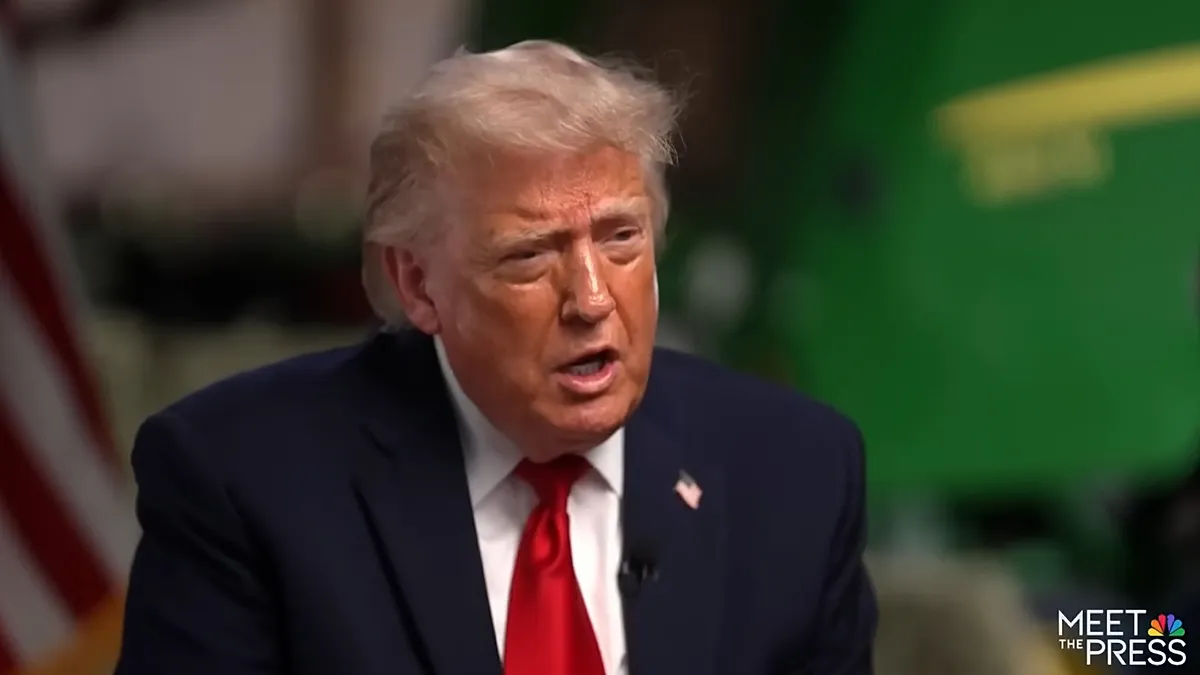
Poinews.com – During a heated NBC interview on Sunday, former US President Donald Trump abruptly left the room after a fierce debate over his claims of a “rigged election” in 2020. The session, held on a farm in Wisconsin, was marked by escalating tensions as Trump insisted his victory had been undermined by media bias and political conspiracies. His decision to exit the interview underscored his frustration with the ongoing scrutiny of his election-related assertions, a recurring theme in his post-presidency media appearances.
A Chaotic Interview Environment
The interview’s setting, a rustic farm with tractors and hay bales in the background, was meant to convey a relaxed, down-to-earth atmosphere. However, the backdrop soon turned into a source of distraction as heavy rain poured outside, causing technical glitches that disrupted the flow of the conversation. Despite these interruptions, Trump remained steadfast, dismissing the challenges as minor obstacles. “People will understand, we’re on a farm,” he remarked, highlighting his willingness to endure the chaos to make his case.
“Is that wind or what?”
“Hear that sound?”
“That sound of thunder, lightning, rain.”
The repeated audio issues prompted Welker, host of “Meet the Press,” to ask her team if they should pause the interview. Trump’s insistence to continue, even as the sound of rain drowned parts of his speech, reflected his determination to press forward despite the obstacles.
Trump’s Election Fraud Allegations
As the interview progressed, Trump’s frustration reached a boiling point when discussing his claims of election fraud. He accused the network of being “one-sided” and “crooked,” using the term “rigged election” repeatedly to emphasize his belief in a widespread conspiracy. The exchange culminated in him storming out of the room, leaving Welker to attempt to salvage the discussion. This dramatic exit highlighted the intensity of the debate and Trump’s tendency to retreat from contentious questions, a pattern seen in previous interviews.
Trump’s allegations centered on the idea that mail-in ballots and vote-counting procedures had been manipulated to favor Joe Biden. He argued that the media had been complicit in the narrative, labeling them as “fake dirty press” and calling Biden “stupid” in the aftermath of the clash. The interview became a microcosm of the broader political polarization surrounding the 2020 election, with Trump framing the discussion as a battle between truth and misinformation.
Technical Issues and Strategic Moves
Throughout the interview, technical challenges played a significant role in shaping the dynamic. The rain-induced audio problems forced the team to halt the session multiple times, but Trump used these pauses as opportunities to reiterate his key messages. His decision to leave the camera during the final moments of the interview was strategic, allowing him to control the narrative and exit with a sense of finality. This move reinforced his image as a leader who refuses to back down, even in the face of adversity.
Welker’s questions about the proposed “weaponisation fund” were met with sharp resistance from Trump, who accused the network of bias. “You are either crooked or you’re stupid,” he said, a statement that encapsulated his approach to media criticism. The fund, which aimed to provide financial support to those he claimed were targeted by Biden’s administration, became a focal point of the debate. Trump’s departure from the interview left the discussion incomplete, underscoring the challenges of engaging him in prolonged conversations about election integrity.
Political Rhetoric and Public Perception
Trump’s storming out of the interview was not an isolated incident but part of a larger strategy to dominate the political discourse. His use of strong language and emotionally charged accusations has become a hallmark of his communication style, even in the aftermath of the 2020 election. The tense exchange with Welker demonstrated how he leverages frustration to amplify his messages, often framing opponents as adversaries in a broader ideological war.
Analysts noted that the interview reflected the ongoing tension between Trump and the media, which he has consistently criticized as biased. The “rigged election” narrative, central to his post-presidency efforts, was given renewed emphasis during the session. By storming out, Trump signaled to his base that he was unyielding in his pursuit of validating his claims, even as the audience and commentators dissected the event in real time.
Aftermath and Continued Controversy
In the days following the interview, Trump’s actions were analyzed by political commentators and media outlets. The incident was seen as a key moment in his efforts to reframe the 2020 election as a battleground of truth versus lies. His storming out of the tense NBC interview underscored the emotional stakes of the conversation, as he sought to assert his narrative without room for rebuttal. The event also sparked discussions about the role of media in shaping public opinion and the effectiveness of Trump’s communication tactics.