EU pushes to triple energy storage as renewable power goes to waste
EU Expands Energy Storage Goals to Combat Renewable Surplus Waste EU pushes to triple energy storage - As Europe accelerates its transition to renewable

EU Expands Energy Storage Goals to Combat Renewable Surplus Waste
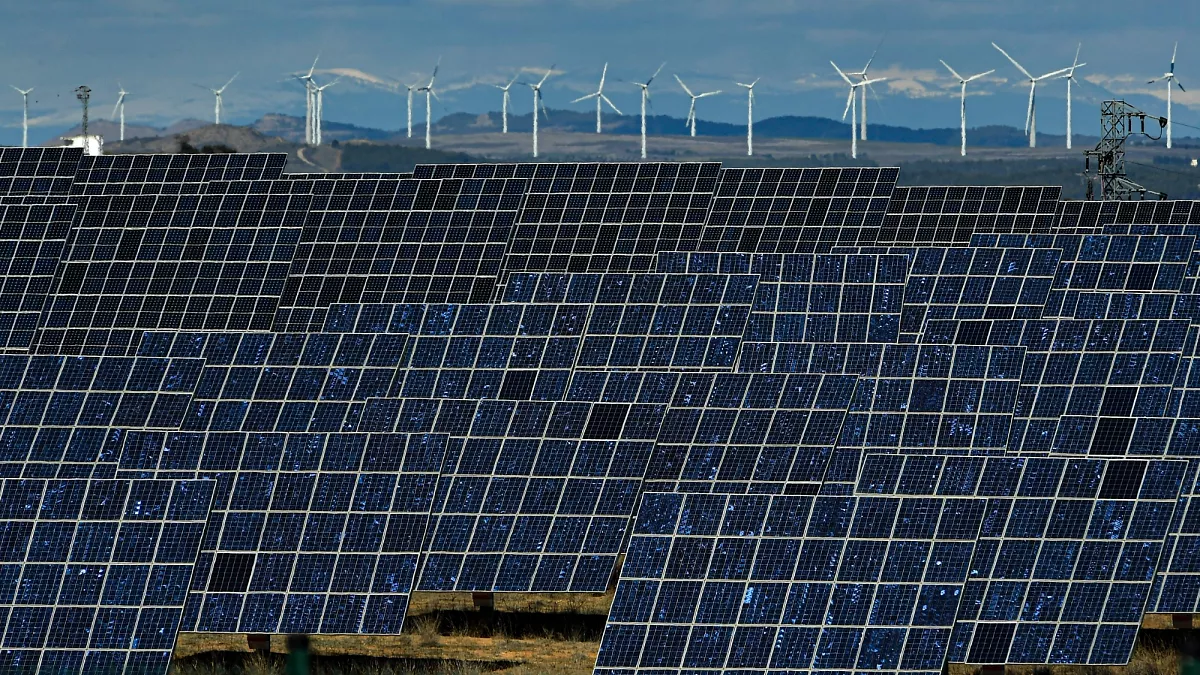
Poinews.com – As Europe accelerates its transition to renewable energy, the European Union has set an ambitious target to triple its energy storage capacity, addressing a growing issue: the waste of surplus power generated by intermittent sources like wind and solar. With renewable energy now accounting for over 25% of the bloc’s power mix by 2024, the current infrastructure struggles to capture all electricity during periods of low demand, resulting in significant losses. This initiative, which emphasizes the EU’s push to triple energy storage, aims to transform surplus energy into a valuable resource, reducing reliance on fossil fuels and ensuring a more stable energy supply.
The new strategy highlights the critical role of energy storage in managing the unpredictable nature of renewable power generation. Seasonal surpluses, particularly in summer when solar output is high, often lead to wasted electricity, forcing grids to curtail renewable production to avoid overloading systems. By increasing storage capabilities, the EU seeks to not only minimize this waste but also enhance grid resilience during demand spikes. Member states and energy companies are now expected to collaborate closely, with funding mechanisms and policy frameworks being established to accelerate the deployment of storage solutions across the continent.
Intermittent Power Generation and the Need for Storage Solutions
Renewable energy sources such as solar and wind are inherently variable, producing electricity only when the sun shines or the wind blows. This variability creates challenges for maintaining a consistent energy supply, especially when demand fluctuates. For instance, Eurostat data from March 2026 indicates that approximately 55% of Europe’s total energy consumption still relies on imported oil and gas, despite renewables providing 44% of the region’s electricity. Without robust storage systems, these gaps in supply can lead to wasted clean energy and increased dependency on traditional fuels.
“For the first time, the EU has established a clear political direction, turning energy storage from an enabling technology into a delivery priority,” said Walburga Hemetsberger, CEO of SolarPowerEurope. “This shift is essential to ensure that no renewable energy goes to waste and that we can meet the demands of a rapidly electrifying economy.”
The EU’s push to triple energy storage is also driven by the rising demand from sectors like AI and data centres, which are expected to consume twice as much electricity by 2030. These energy-intensive industries, already accounting for 3% of the grid’s supply, will require more than 28 GW of additional capacity. Their 24/7 operations mean they cannot pause when renewable generation dips, necessitating backup power sources—often fossil fuels—to maintain reliability. Expanding storage infrastructure will be vital to bridging this gap and supporting the EU’s climate goals.
Strategies to Achieve the Storage Target
To reach the 200 GW storage capacity by 2030, the EU is exploring a range of technologies, including battery storage, pumped hydro, and hydrogen-based systems. Each of these methods plays a unique role in addressing different energy needs, from short-term grid balancing to long-term seasonal storage. The strategy also includes incentives for member states to invest in local storage projects, which can reduce transmission losses and enhance energy security. Additionally, the EU is streamlining regulatory processes to expedite the development of new storage facilities, ensuring they align with the bloc’s decarbonization timeline.
The expansion of energy storage is part of a broader effort to modernize Europe’s energy systems. By early 2026, the continent had already seen record negative electricity prices, with day-ahead markets in the first quarter reporting over 1,200 hours of surplus energy. These instances underscore the urgency of the EU’s push to triple energy storage, as they highlight the financial and environmental costs of not adequately capturing renewable surpluses. The initiative is expected to create new job opportunities in the energy sector and stimulate innovation in storage technology.
The EU’s plan also prioritizes the integration of energy storage into the electricity market. By 2030, the goal is to have storage cover approximately 10% of peak demand, doubling the current 5% from 2025. This will require a coordinated approach involving public and private stakeholders, as well as advancements in energy management systems. The emphasis on storage as a key component of the energy transition reflects the EU’s commitment to achieving a more sustainable and resilient energy future.