Newsletter: The EU’s battle of wills
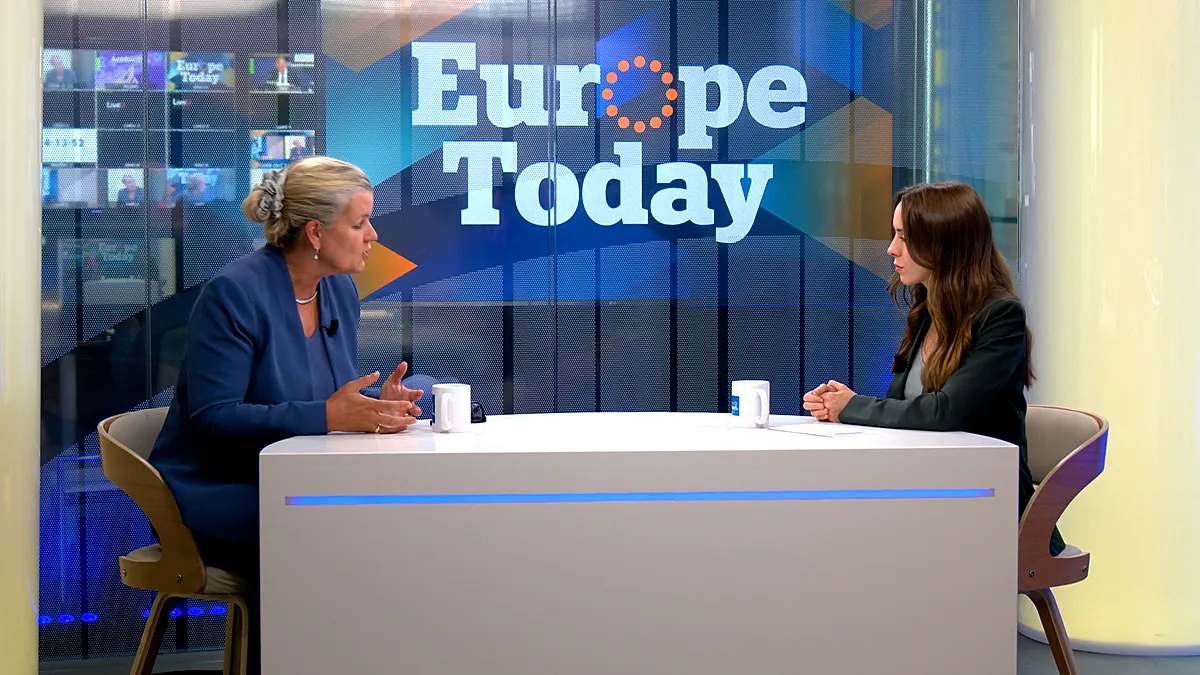
Newsletter: The EU’s Struggle Against External Pressures Newsletter - Brussels greeted the dawn with a new newsletter, penned by Angela Skujins.

Newsletter: The EU’s Struggle Against External Pressures
Poinews.com – Brussels greeted the dawn with a new newsletter, penned by Angela Skujins. Just 24 hours prior, two pivotal elections in Kosovo and Armenia had drawn sharp attention, as candidates challenged Russian influence and citizens debated closer ties with the European Union. This update explores the EU’s ongoing efforts to navigate political challenges amid global interference.
Electoral Tensions in the Balkans
Kosovo’s recent snap election results indicate that Prime Minister Albin Kurti’s party has secured around 43% of the vote. While this positions them as the leading force, the social democratic, pro-EU Vetëvendosje party lacks sufficient support to govern independently. A coalition is expected, though its impact on Kosovo’s EU aspirations remains uncertain.
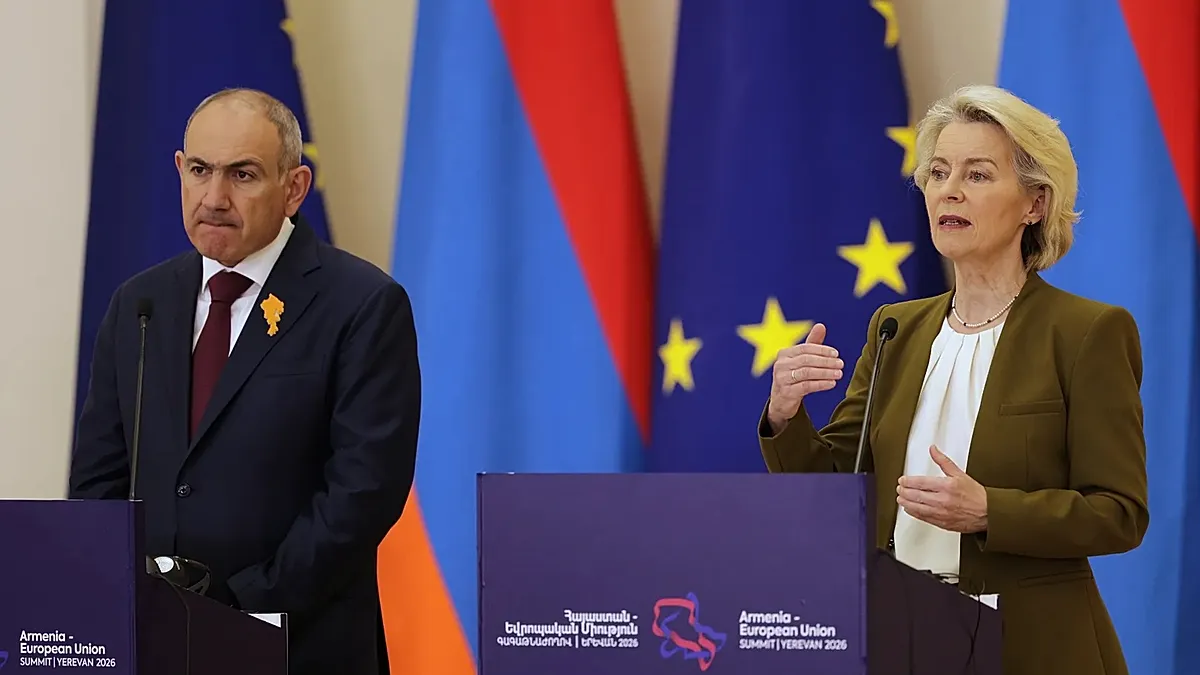
“The European Union is our main partner in democratic reform implementation, and we will continue that path,” declared Armenian Prime Minister Nikol Pashinyan during his election day speech.
Russian Pressure and Strategic Shifts
Armenia’s victory in its parliamentary race came amid significant Russian pressure. Import bans on Armenian goods and threats to suspend gas deals underscored Moscow’s geopolitical maneuvering. Russian officials further intensified the stakes by drawing parallels between Armenia’s alignment with the EU and Ukraine’s path, which Russia has invaded.
Ukraine’s EU Bid and Hungary’s Role
Ukraine’s pursuit of EU membership has gained momentum since its 2022 application, driven by the need to bolster defenses against Russian aggression. However, progress has stalled due to Hungary’s public opposition, led by Viktor Orbán. Recent developments suggest a shift as Péter Magyar, Hungary’s new leader, has instructed diplomats to lift Budapest’s veto.
European Council President António Costa highlighted the importance of normalizing relations between Kosovo and Serbia, stating that such moves would enhance both countries’ chances of joining the EU. The same logic applies to Ukraine, where faster access to the bloc’s €6.6 billion defense fund is now anticipated.
Financial Support and Strategic Strikes
The EU’s defense meeting in Lefkosia, Cyprus, prioritized funding for Ukraine. European Commissioner Andrius Kubilius emphasized that allocating resources would enable Kyiv to “prevail” in its conflict. Meanwhile, Ukraine’s drone strikes have targeted Russian cities, including Saint Petersburg, where smoke from attacks dominated the skyline.
Moscow responded with 13 strikes on Saturday, including a Shahed drone assault near the Chernobyl Nuclear Power Plant. These actions reflect the escalating tension between the EU and Russia, with the latter seeking to disrupt Ukraine’s progress through both military and economic means.
Strengthening the Frontlines
EU backing for Ukraine is also focused on cutting off Russia’s “shadow fleet”—oil tankers evading sanctions to sustain Moscow’s energy revenues. The bloc aims to amplify its financial support, with €2.8 billion allocated under the Ukraine Facility to reward reform efforts. This move signals a commitment to countering Russian influence through both diplomacy and military aid.
As political will shifts across the region, the EU continues to balance competing interests, striving to advance its strategic goals while mitigating external threats.