Any change to EU protection scheme for Ukrainians should be ‘gradual’, UNHCR deputy chief says
UNHCR Deputy Chief Urges Gradual EU Protection Changes for Ukrainians Any change to EU protection scheme - As the EU contemplates adjustments to its

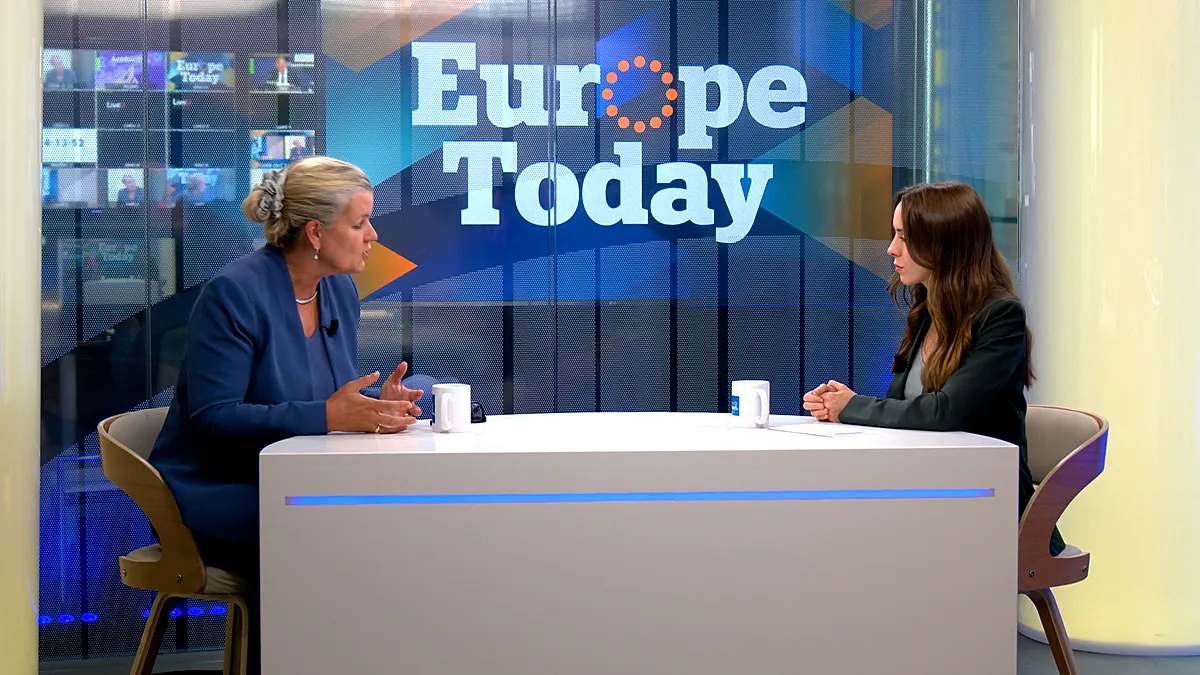
UNHCR Deputy Chief Urges Gradual EU Protection Changes for Ukrainians
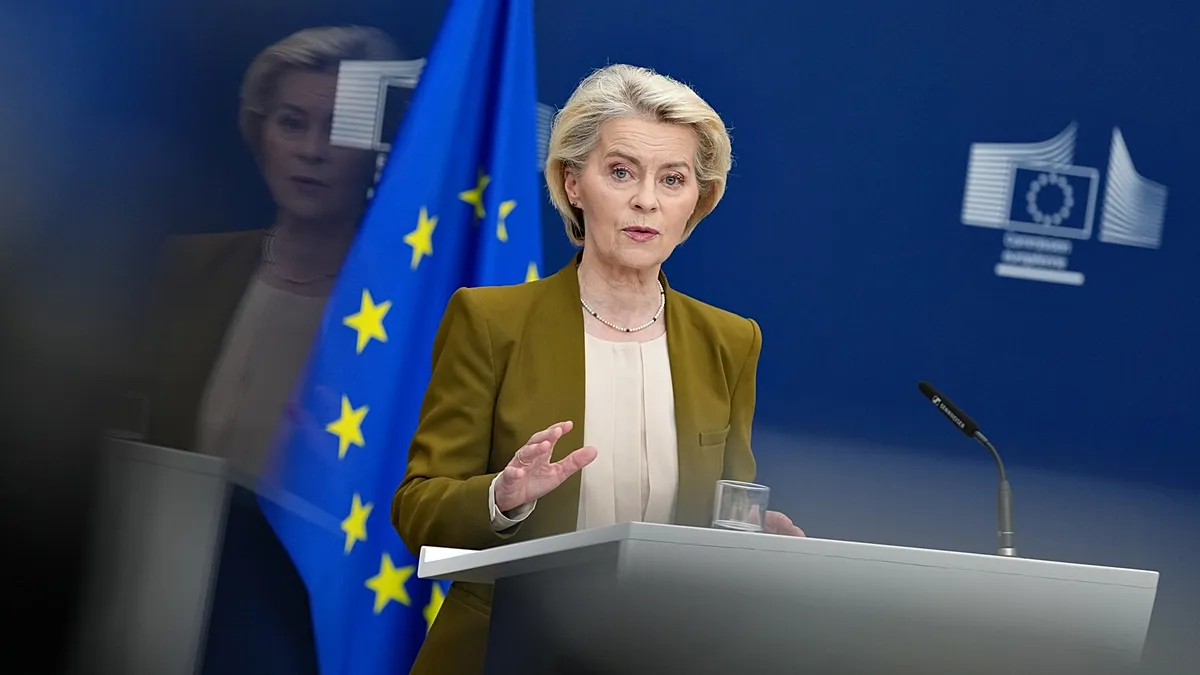
Poinews.com – As the EU contemplates adjustments to its protection framework for Ukrainian refugees, UNHCR Deputy Chief Kelly Clements has emphasized that any change to EU protection should be implemented gradually. This advice comes amid growing discussions in several member states about reducing temporary asylum benefits for Ukrainian men aged 23 to 60, who are considered fit for military service. Clements warned that abrupt modifications could destabilize the system and place additional pressure on countries already struggling with the humanitarian crisis caused by the ongoing war in Ukraine.
The Existing EU Protection Scheme
The current EU protection scheme allows Ukrainians to access refugee-like status without the need for formal asylum applications, enabling them to reside in member states with greater ease. Since the war began, this initiative has provided a lifeline to 4.37 million individuals seeking refuge in Europe. Clements noted that the circumstances justifying this system have not significantly shifted, as the conflict continues to escalate and civilians remain under threat. She stressed that the EU’s temporary protections have been instrumental in supporting families and ensuring a stable living environment for those fleeing the war.
Proposed Adjustments and Concerns
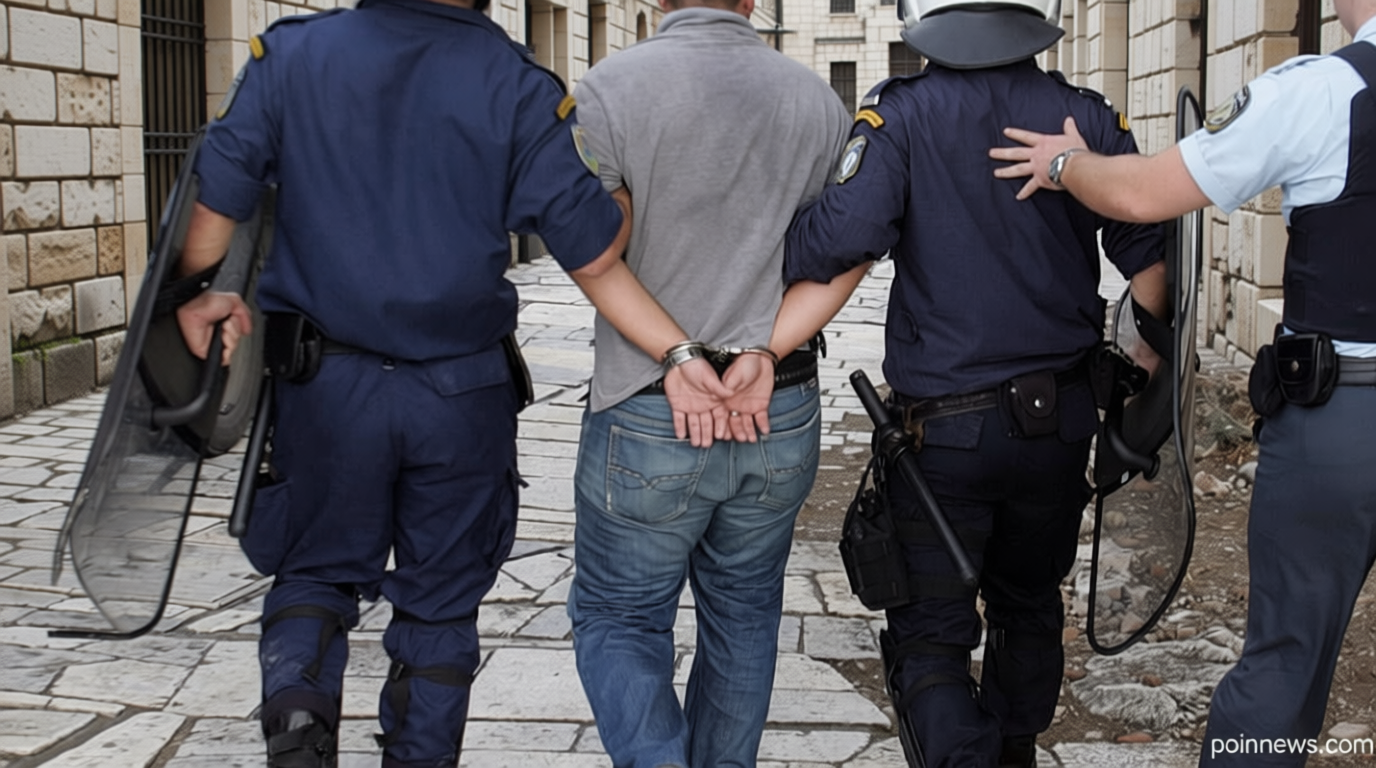
Recent proposals aim to narrow the eligibility criteria, focusing on Ukrainian men within the conscription age range. This shift has sparked debate among EU nations, with some arguing that the measures should be adjusted to better align with the needs of the region. Poland and Germany, among others, have expressed interest in removing temporary protections for those aged 23 to 60, believing this could alleviate the strain on resources. However, Clements cautioned that such a move might disrupt the system, particularly for vulnerable groups who rely on these benefits to survive in the face of ongoing instability.
“I understand the need for a discussion on any change to EU protection, but the war is far from over,” Clements said. “Until the conflict shows signs of resolution, we must ensure that the temporary protections remain in place. This allows people to support themselves and prevents the burden from falling disproportionately on other nations.”
Eligibility Criteria and Exemptions
The proposed adjustments target individuals who are of conscription age, but not all Ukrainian men in this bracket are required to serve. Exemptions include those with disabilities, individuals unfit for service, fathers of three or more children under 18, and caregivers for sick relatives. Ukraine’s formal conscription age starts at 25, yet the debate extends to men aged 23 to 60, reflecting broader concerns about the potential impact of a revised system. Clements pointed out that while the scheme has been effective, precise data on how many Ukrainians fall into the military-age category or arrived without proper documentation is still lacking, which complicates efforts to make targeted changes.
Rationale Behind the Adjustments
German Chancellor Friedrich Merz, who raised concerns about the influx of Ukrainian men into Germany last November, argued that these individuals are needed for military purposes. This sentiment has gained traction in several EU countries, where officials have called for a more flexible approach to refugee status. Interior Minister Alexander Dobrindt recently highlighted an increase in the number of Ukrainians of compulsory military age living in Germany, further fueling the argument for modifications. Clements acknowledged the validity of these concerns but urged a balanced approach, emphasizing that any change to EU protection must account for the diverse needs of Ukrainian refugees.
“The EU has played a critical role in offering refuge to millions of Ukrainians,” Clements reiterated. “While we recognize the need to adjust the system, we must ensure that the transition is managed carefully. This way, we can preserve the integrity of the protections and maintain support for those most in need.”
Challenges and Future Implications
As the EU weighs its options, the challenge lies in balancing the demands of domestic policies with the humanitarian needs of Ukrainian refugees. Clements warned that a hasty reduction in protections could leave many vulnerable, particularly those who have not yet secured permanent residency or access to local job markets. She also noted that the current system has allowed for a more equitable distribution of responsibilities among member states, a model that should be preserved as long as the war persists. The debate is expected to continue, with stakeholders advocating for both gradual reforms and immediate adjustments to address growing pressures.
The ongoing conflict in Ukraine has reshaped the refugee landscape in Europe, with millions of people displaced and reliant on the EU’s temporary protections. While some countries push for changes to any change to EU protection, others advocate for maintaining the current framework. Clements’ call for a gradual approach reflects the complexity of the situation, where both political and humanitarian considerations must be weighed. As discussions progress, the EU will need to strike a balance that ensures stability, fairness, and continued support for Ukrainian refugees in the region.