Cypriot minister defends appointment of EU Cyprus special representative following backlash
Cypriot Minister Defends EU's Cyprus Appointment Amid Backlash Cypriot minister defends appointment of EU Cyprus - The Cypriot minister has taken a firm

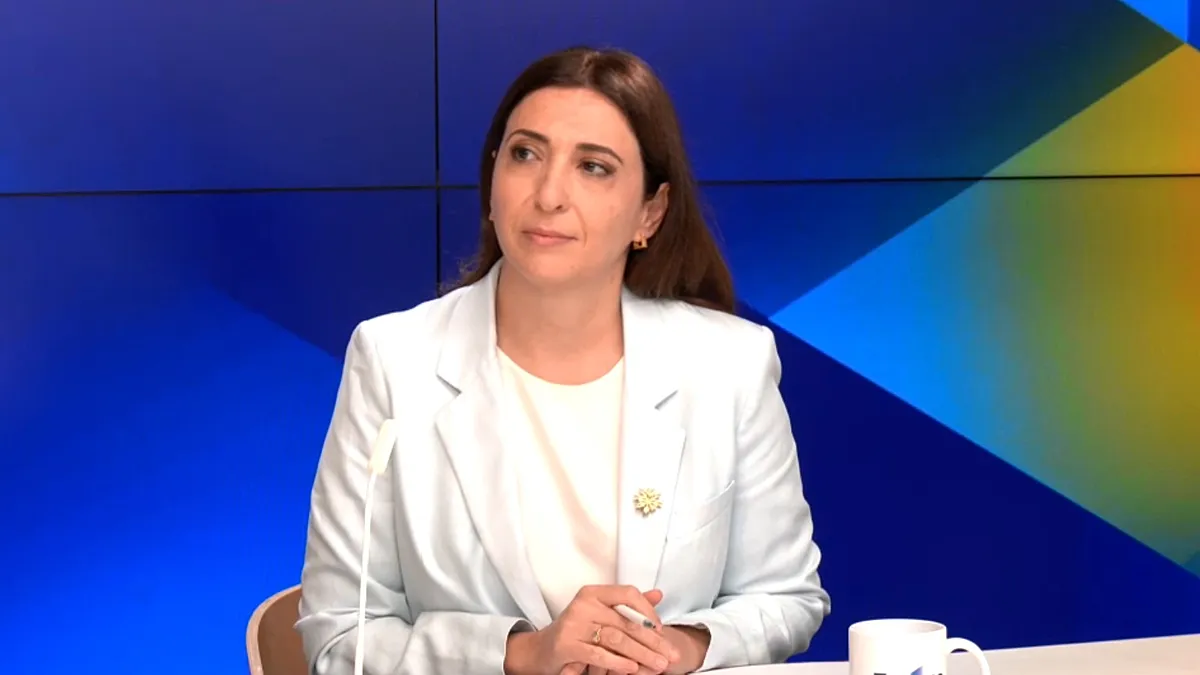
Table of Contents
Cypriot Minister Defends EU’s Cyprus Appointment Amid Backlash
Poinews.com – The Cypriot minister has taken a firm stance in supporting the European Union’s decision to appoint Raffaele Fitto as its special representative for Cyprus, a move that has sparked controversy among Turkish officials. Deputy EU Affairs Minister Marilena Raouna, representing the Republic of Cyprus, emphasized the necessity of this appointment in advancing the island’s reunification process. “This decision reflects the EU’s commitment to resolving the Cyprus issue, which remains one of the most critical challenges in our region,” she stated. However, the Turkish-occupied region, known as the Turkish Republic of Northern Cyprus (TRNC), has criticized the selection, labeling it as a “provocative” step that undermines their autonomy and the broader EU-Turkey relationship.
EU’s Reunification Strategy and Fitto’s Role
Raffaele Fitto, an Italian political figure and former European Parliament member, was chosen for his extensive experience in EU diplomacy and his strong advocacy for the Greek Cypriot position. His appointment underscores the EU’s ongoing effort to facilitate a permanent resolution of the Cyprus dispute, which has been a long-standing issue since the island’s division in 1974. Raouna highlighted that Fitto’s role would involve strengthening dialogue between the two Cypriot communities, leveraging his influence to bridge gaps in negotiations. “The EU’s intervention is not just about Cyprus, but about ensuring stability and unity in the Eastern Mediterranean,” she added, stressing the strategic importance of the region.
The appointment of Fitto has drawn sharp criticism from Turkish officials, who argue that the EU bypassed their input in the decision-making process. The TRNC’s government accused the bloc of favoring the Greek Cypriot side, which has historically dominated the reunification talks. “The EU’s choice is a clear indication of its bias, and it overlooks the aspirations of the Turkish Cypriot community,” a spokesperson from the TRNC stated. This backlash has raised concerns about the EU’s ability to maintain a balanced approach in the Cyprus issue, especially as Turkey remains a key player in the region’s political dynamics.
Historical Context and EU’s Commitment to Reunification
Cyprus has been divided since 1974, following a Greek-backed coup that led to Turkish military intervention and the establishment of the TRNC. The island’s division has been a focal point for the EU, which has consistently supported the reunification of Cyprus as a cornerstone of its foreign policy. The European Commission’s decision to appoint a special representative signals a renewed push to advance the UN-led process, aimed at achieving a settlement that satisfies both communities. “The EU’s engagement is essential in ensuring that all parties have a voice in the negotiations,” Raouna said, underscoring the importance of diplomatic coordination.
The appointment of Fitto comes at a time when the EU is striving to deepen its ties with Turkey while addressing longstanding disputes. Despite Turkey’s aspiration to join the EU, its membership bid has faced hurdles due to concerns over democratic practices and the rule of law. The recent working dinner between EU leaders and Turkish President Recep Tayyip Erdoğan highlighted the bloc’s desire to strengthen the partnership, but the Cyprus issue remains a flashpoint. Raouna argued that the EU’s focus on this matter is not just about Cyprus but also about reinforcing its credibility as a mediator in regional conflicts.
Fitto’s role is expected to involve close collaboration with the Greek Cypriot administration, while also engaging with Turkish Cypriot leaders to foster mutual understanding. His mandate includes preparing for renewed negotiations under the UN framework, which has been the guiding principle for Cyprus reunification since 1968. “The EU is committed to achieving a lasting peace, and Fitto’s appointment is a strategic move to accelerate progress,” Raouna noted. This decision aligns with the EU’s broader goal of consolidating its influence in the Eastern Mediterranean, where geopolitical tensions continue to shape the region’s future.
Implications for EU-Turkey Relations and Regional Stability
The Cypriot minister’s defense of the EU’s appointment of Fitto has reignited discussions about the bloc’s relationship with Turkey. While the EU seeks to maintain a balanced approach, the TRNC’s opposition has raised questions about the effectiveness of the strategy. Critics argue that the appointment may strain the EU’s ties with Turkey, particularly as the latter has been a strong advocate for the TRNC’s position in the Cyprus dispute. “This decision could complicate our bilateral relations, but it is necessary for the long-term stability of the region,” Raouna acknowledged, despite the challenges ahead.
Analysts suggest that the EU’s choice of Fitto is part of a larger effort to pressure Turkey into accepting a compromise. With the upcoming EU summit in the works, the bloc aims to present a united front in addressing the Cyprus issue. However, the Turkish authorities have warned that the move could lead to further friction, given their insistence on equal representation in negotiations. “The EU must recognize the TRNC as a sovereign entity and include it in all discussions,” they emphasized. Raouna, on the other hand, reiterated that the EU’s support for the Greek Cypriot side is grounded in the island’s status as the final divided member of the European Union.
Despite the backlash, the EU’s commitment to Cyprus remains steadfast. The appointment of a special representative is seen as a critical step in pushing for a resolution that aligns with the UN’s guidelines. As the political climate in the region continues to evolve, the EU’s role in facilitating dialogue will be closely watched. Raouna concluded by expressing confidence in the process, stating, “The path to reunification is challenging, but the EU’s involvement is a vital catalyst for progress.” This sentiment reflects the broader optimism among Cypriot leaders, even as tensions with the TRNC persist.