Education comes in different forms: How do Europeans feel about vocational training?
Education in Different Forms: Europeans' Views on Vocational Training Education comes in different forms, and the debate over its value continues to shape

Education in Different Forms: Europeans’ Views on Vocational Training
Poinews.com – Education comes in different forms, and the debate over its value continues to shape perceptions across Europe. A recent Eurobarometer survey highlights the nuanced attitudes of EU citizens toward vocational training, revealing a divide between general education and career-focused pathways. While 75% of respondents favor general education at the upper secondary level, vocational training remains a viable and respected option for many. This sentiment varies significantly by country, with Sweden, Denmark, and Finland showing the strongest preference for academic routes, while Czechia, Latvia, and Romania express the least confidence in vocational programs. The survey underscores how educational choices are influenced by a complex interplay of factors, from parental guidance to societal perceptions, and how these preferences impact future career prospects.
Shifting Priorities in Career Development
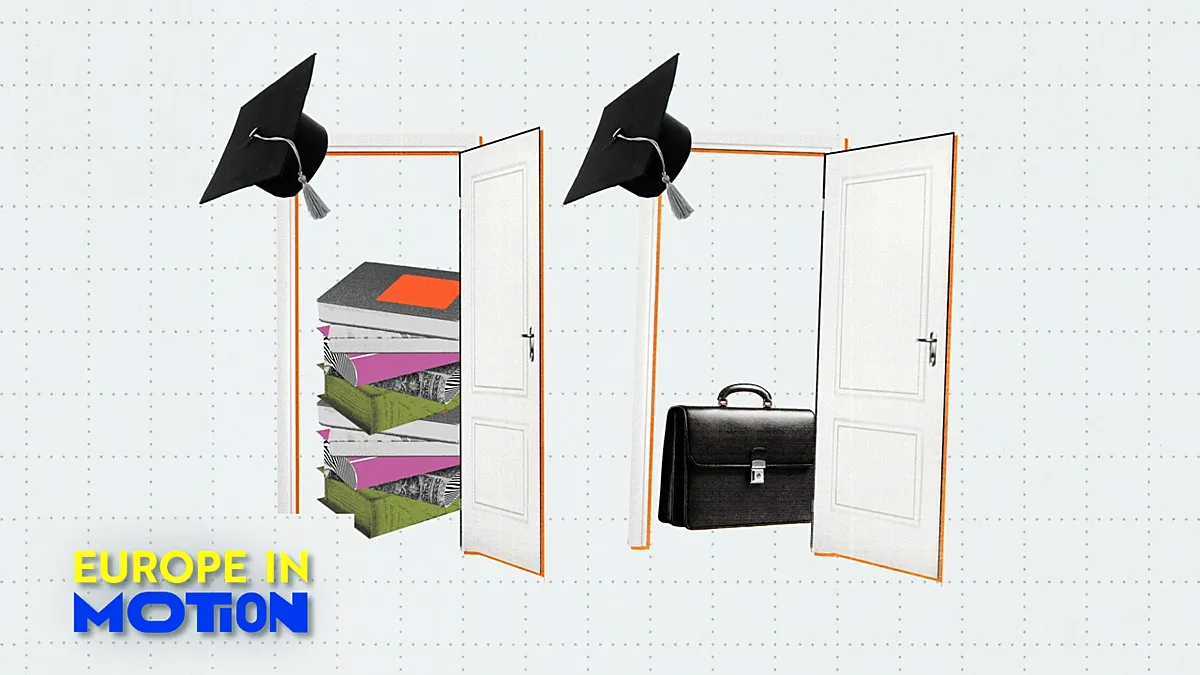
As the job market evolves, the relevance of vocational training in Europe is being re-evaluated. Over 80% of Europeans believe that vocational qualifications open doors to high-demand jobs, particularly in sectors like healthcare, manufacturing, and IT. This growing recognition reflects a shift in priorities, with many young people seeking practical skills and immediate employment opportunities. However, the survey also reveals that 53% of respondents cite the desire for swift financial stability as the primary reason for choosing vocational tracks. This emphasis on employability highlights a broader trend where career-oriented education is gaining traction, especially in countries facing skills shortages or economic uncertainties.
Despite this, concerns persist about the adequacy of vocational programs. Half of the participants argue that these courses do not sufficiently equip students with essential skills such as literacy, digital proficiency, and cross-cutting competencies like communication and critical thinking. This perception is particularly strong in Poland, Slovenia, and Croatia, where the gap between academic and vocational education is viewed as more pronounced. Conversely, in Estonia, Sweden, and Spain, vocational training is seen as more effective in preparing students for real-world challenges, suggesting regional disparities in how these programs are perceived and implemented.
Gender Stereotypes and Educational Pathways
Gender stereotypes play a significant role in shaping educational choices, according to the survey. A majority of respondents (71%) agree that women are often encouraged to pursue general education, even when they have an interest in technical fields. This bias is evident in sectors like engineering, where female representation remains lower, and in roles such as accounting or information technology, where career guidance frequently steers young women toward academic routes. Meanwhile, 70% of Europeans note that men who underperform academically face greater societal pressure to opt for vocational training, reinforcing traditional gender roles in education and employment.
Such stereotypes contribute to the social stigma surrounding vocational fields, particularly those perceived as “male-dominated.” Over half of the participants acknowledge that men in caregiving or service-oriented vocations, like nursing or hospitality, face discrimination. This stigma is most pronounced in Poland, Hungary, Italy, and the Netherlands, where respondents report stronger biases against male vocational roles. In contrast, Cyprus, Portugal, and Greece show more acceptance, indicating that cultural attitudes toward gender and education vary widely across the EU. Addressing these biases is crucial for ensuring equal opportunities in all educational pathways.
Role of Influences in Educational Decisions
Parents emerge as the most influential factor in educational decisions, with 35% of respondents stating that their guidance plays a key role in choosing between academic and vocational tracks. Teachers, though important, are cited by 28% as a secondary influence, suggesting that career choices are often shaped by family expectations rather than school-based advice. The perceived prestige of vocational education, however, lags behind, with only 16% of participants attributing its appeal to its social status, while social media (14%) and other factors have a smaller impact.
These findings highlight the need for a more balanced approach to educational counseling. While parents provide valuable insights, their influence can sometimes overshadow the merits of vocational training. In contrast, teachers and other educators are seen as less central to the decision-making process, despite their role in shaping students’ understanding of different career paths. This disconnect may contribute to the lingering perception that vocational education is secondary to traditional academic routes, even as its practical benefits become increasingly evident. By emphasizing the value of vocational training in both personal and professional contexts, stakeholders can help shift these attitudes.
Future of Vocational Education in Europe
The Eurobarometer survey also points to a growing acknowledgment of the importance of vocational training in addressing Europe’s labor market needs. As industries modernize and automation reshapes job roles, the demand for skilled workers is rising, making vocational education more relevant than ever. Countries with robust vocational systems, such as Germany and Switzerland, serve as models for integrating hands-on learning with academic rigor, ensuring that students are prepared for both traditional and emerging careers. These examples underscore how vocational training can coexist with and complement general education, offering a more holistic approach to skill development.
Furthermore, the survey suggests that vocational education is gaining recognition as a pathway to long-term career success. While initial perceptions may still favor academic tracks, the data reveals that vocational qualifications are increasingly seen as a gateway to stable employment and professional growth. This shift in perspective is likely to influence future educational policies, with a greater focus on aligning vocational programs with market demands and improving their social standing. By fostering a culture that values all forms of education, Europe can create a more inclusive and dynamic workforce for the years ahead.