George Lucas says AI is ‘the future’ of filmmaking: ‘There’s nothing you can do about it’
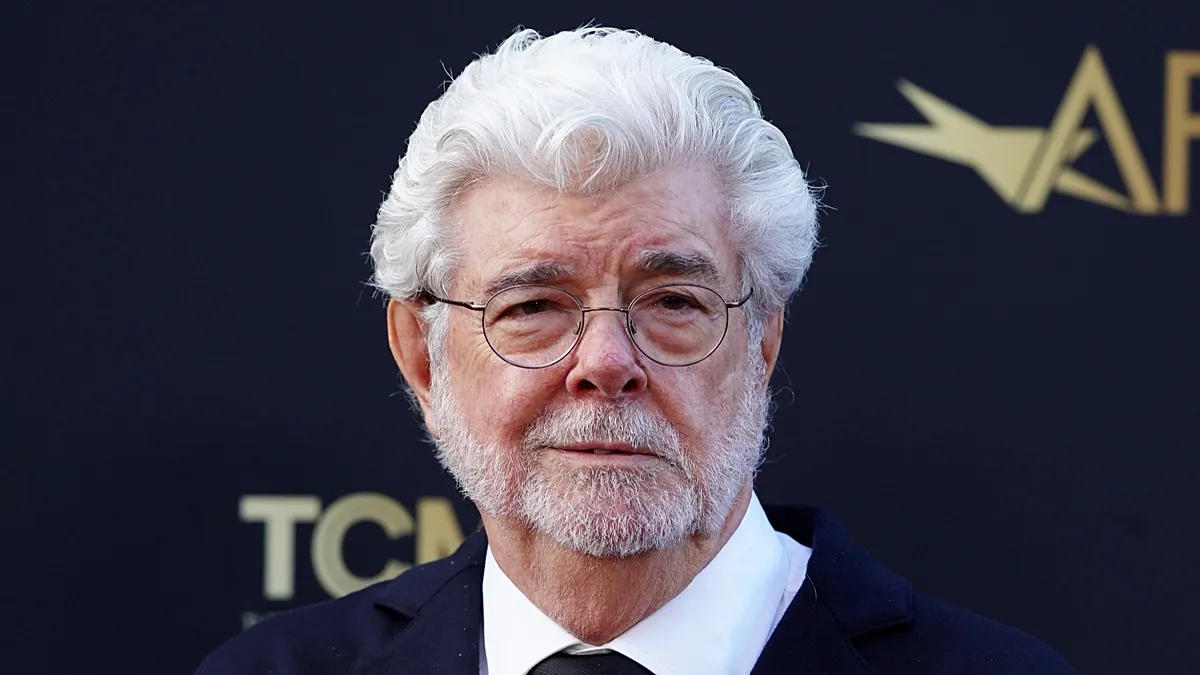
George Lucas Says AI Is the Future of Filmmaking George Lucas says AI is the future - George Lucas, the legendary filmmaker behind the *Star Wars* and

George Lucas Says AI Is the Future of Filmmaking
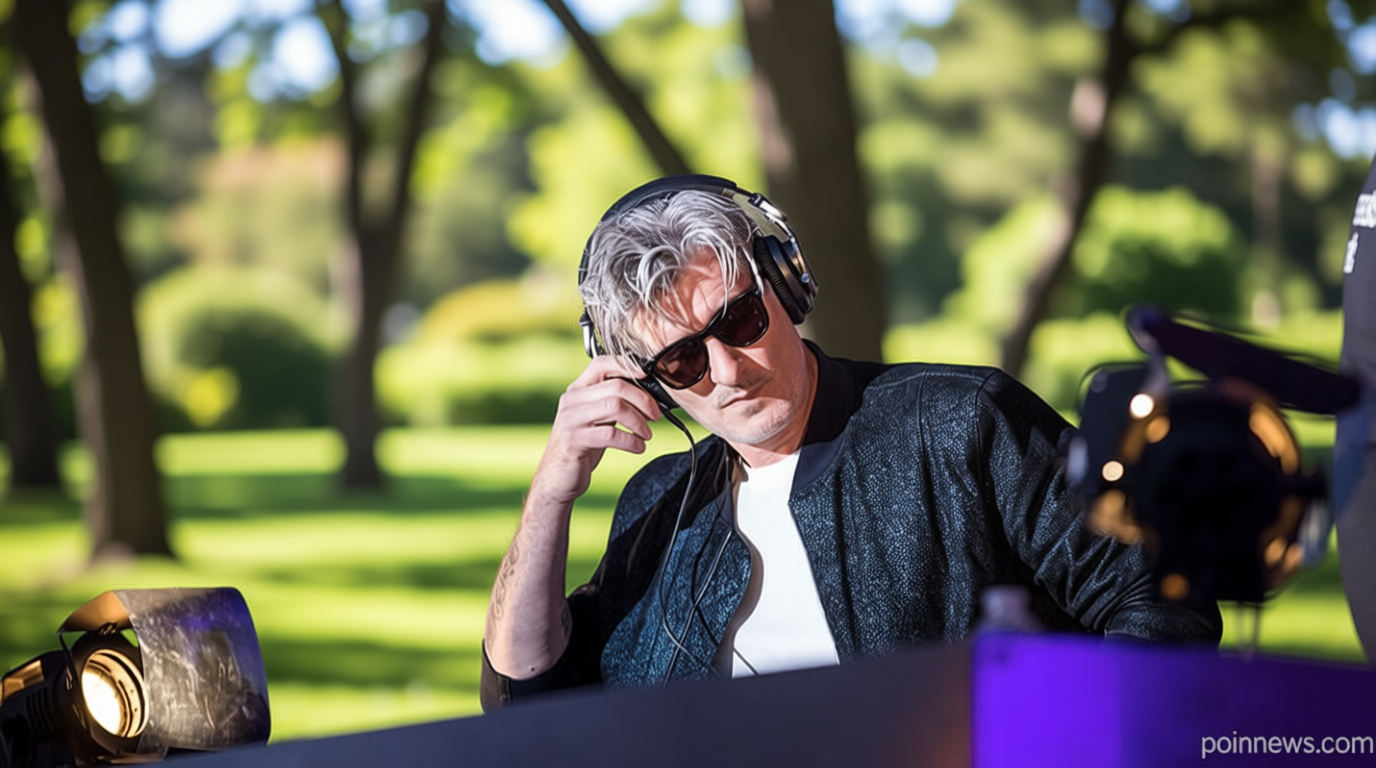
Poinews.com – George Lucas, the legendary filmmaker behind the *Star Wars* and *Indiana Jones* franchises, has made a bold declaration about the role of artificial intelligence in the film industry. In a recent interview with A Rabbit’s Foot, he stated that AI is not just an emerging trend but an inevitable force shaping the future of cinema. “There’s nothing you can do about it,” he remarked, suggesting that the technology’s integration into filmmaking is as unavoidable as the evolution of digital cameras or CGI. Lucas’s comments come at a pivotal moment for the industry, where debates about the impact of AI on creativity and authenticity are intensifying.
The Transformation of Cinema Through AI
Lucas argued that AI is revolutionizing the filmmaking process by simplifying tasks that once required significant time and resources. He compared its adoption to the shift from traditional methods like hand-drawn storyboards to digital tools, emphasizing that resistance to new technology is natural but temporary. “AI makes it far simpler to produce films,” he explained, drawing parallels between the early days of automobiles and the current state of AI-driven filmmaking. For Lucas, the technology is a natural progression that enhances efficiency without compromising artistic integrity.
One of the key areas where AI is already making a mark is in scriptwriting and post-production. By analyzing vast datasets of films, AI can assist in generating story ideas, refining dialogue, and even predicting audience reactions. Lucas acknowledged these capabilities, noting that AI’s ability to detect authenticity in visuals—such as identifying digital fakes in special effects—could elevate the quality of films. He also highlighted that AI serves as a complementary tool rather than a replacement, reinforcing the idea that it augments human creativity rather than diminishes it.
Industry Reactions and the Debate Over Creativity
While Lucas embraces AI as a transformative tool, not all in the film industry share his enthusiasm. Critics argue that the technology could lead to a homogenization of styles, reducing the unique voice of individual directors. This concern is echoed by filmmakers like Christopher Nolan, who recently expressed skepticism about AI’s role in cinema. Nolan’s children, he noted, instinctively reject AI-generated content, viewing it as a threat to the organic nature of storytelling. Such perspectives highlight the growing divide between those who see AI as a progressive force and those who fear it might undermine the artistic soul of films.
Lucas, however, defended AI’s integration by pointing to its potential to democratize filmmaking. He suggested that AI could enable smaller studios and independent creators to produce high-quality content without the need for massive budgets. This aligns with his broader vision of cinema evolving beyond traditional constraints, much like how the advent of 3D technology or color film reshaped the industry. “Whatever you do, you should be recognized,” he said, implying that AI’s role in filmmaking is not just about efficiency but also about expanding creative possibilities.
As AI continues to advance, its influence on filmmaking is likely to grow. From automated editing to virtual production techniques, the technology is already being used to streamline workflows and reduce costs. Lucas’s assertion that there’s “nothing you can do about it” underscores the urgency for filmmakers to adapt. While some may lament the loss of human touch, others see AI as a means to push boundaries and explore new narrative formats. The coming years will determine whether AI becomes a catalyst for innovation or a symbol of artistic compromise.
In conclusion, George Lucas’s vision of AI as the future of filmmaking reflects a broader industry shift toward technological integration. His arguments highlight both the opportunities and challenges posed by AI, from its ability to enhance production efficiency to its potential to redefine creative roles. As the debate continues, the film world must navigate this transformation carefully, balancing the benefits of AI with the preservation of its artistic essence. Whether seen as a tool of progress or a threat to tradition, AI is undeniably reshaping how stories are told on the big screen.