Paris: nearly 100,000 signatures against new National Assembly pavilion
Paris - A campaign gathering close to 100,000 signatures has emerged against the proposed construction of a modern pavilion for France's National Assembly

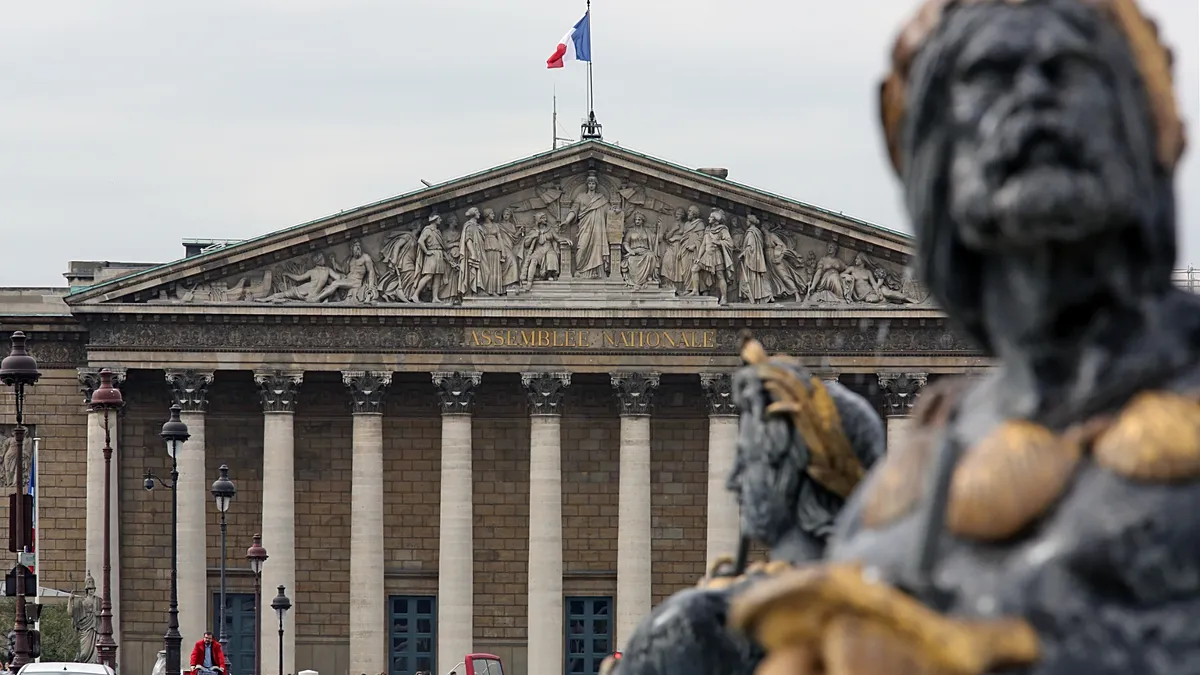
Table of Contents
Mass Petition Challenges National Assembly’s Glass Pavilion Plan
Poinews.com – Paris – A campaign gathering close to 100,000 signatures has emerged against the proposed construction of a modern pavilion for France’s National Assembly. The controversy, which has unfolded over nearly two years, involves multiple stakeholders including the legislative body, Paris municipal authorities, and the heritage preservation group Sites & Monuments.
A Divisive Architectural Vision
Under the leadership of Yaël Braun-Pivet, the institution’s president, the initiative calls for demolishing the original stone pavilion from 1888 and erecting a contemporary glass edifice in its place. The new facility would accommodate retail outlets, dining areas, and learning spaces—elements that heritage advocates view as less essential for a parliamentary building.
“The problem is that this building would break that symmetry and introduce a large quantity of new material, namely glass,” explained Julien Lacaze, president of Sites & Monuments, in remarks to Euronews.
Lacaze emphasized that the construction site falls within a Remarkable Heritage Site designation in Paris’s 7th arrondissement, an area also recognized under UNESCO World Heritage status. According to the association’s leader, the design creates several disruptions to the historic character of the Seine embankments. The glass structure allegedly breaks the visual balance between La Madeleine church and the Palais-Bourbon’s colonnade, introduces excessive transparency into a predominantly stone environment, and weakens both horizontal lines and overall architectural cohesion.
“What is most serious is destroying a historic building. Once you have demolished something and put up something that is not in harmony with its surroundings, it is final. It cannot be reversed,” lamented the association president.
Heritage Concerns and Alternative Proposals
Sites & Monuments, established in 1901 and granted public interest recognition in 1936, focuses on protecting cultural heritage. Lacaze pointed to alternative approaches that might better honor the original architecture. He highlighted a suggestion from Japanese architects SANAA, recipients of the prestigious Pritzker Prize, who recommended preserving the 1888 pavilion while adding a modern stone extension rather than the glass solution currently approved.
The association president argued this approach would satisfy the Assembly’s practical requirements while avoiding fundamental changes to the architectural landscape.
Financial and Procedural Criticisms
Beyond aesthetic considerations, the project faces scrutiny regarding its price tag. The stated budget of 52.8 million euros appears excessive given current economic pressures, particularly since costs may increase during construction. While the National Assembly will fund the project independently, Lacaze maintained that “It is the French people’s money. At a time when people are being asked to tighten their belts, spending 53 million euros on a building with a shop and a cafeteria is questionable.”
The association president also identified procedural issues in how the project progressed. He noted that updates on the development remained scarce for nearly twelve months following the architectural competition. Initial planning documentation allegedly contradicted the 7th arrondissement’s Preservation and Enhancement Plan due to concerns about building height, protected area coverage, and effects on heritage gardens. Legal risks prompted withdrawal of this permit, leading authorities to pursue targeted modifications to the PSMV framework.
Political Backing and Ongoing Debate
Braun-Pivet has championed this architectural endeavor since assuming leadership in 2025. Lacaze suggested the president seeks to leave a lasting impression through a structure symbolizing institutional openness. “What you can criticise [Yaël Braun-Pivet] for is not a lack of architectural culture. It is not listening,” he observed.
When questioned by Franceinfo, the National Assembly president described herself as “overwhelmed by criticism of a project people do not know.”
The petition, initiated slightly more than twelve months ago through Change.org, has garnered backing from various political personalities including representatives from Les Républicains and La France insoumise, alongside former presidential contender Ségolène Royal.
Related Reading
Frequently Asked Questions
What is Paris?
Paris is the main topic of this guide. The article explains the context, practical details, and next steps readers should understand.
Why does Paris matter?
Paris matters because readers are looking for a useful answer, not just a short summary. Good content should match search intent and help them decide what to do next.