Once-abandoned Spanish village becomes NASA’s eclipse hotspot
Once abandoned Spanish village becomes NASA's unexpected choice for one of the most anticipated astronomical events of the decade. Villalibado, a tiny hamlet

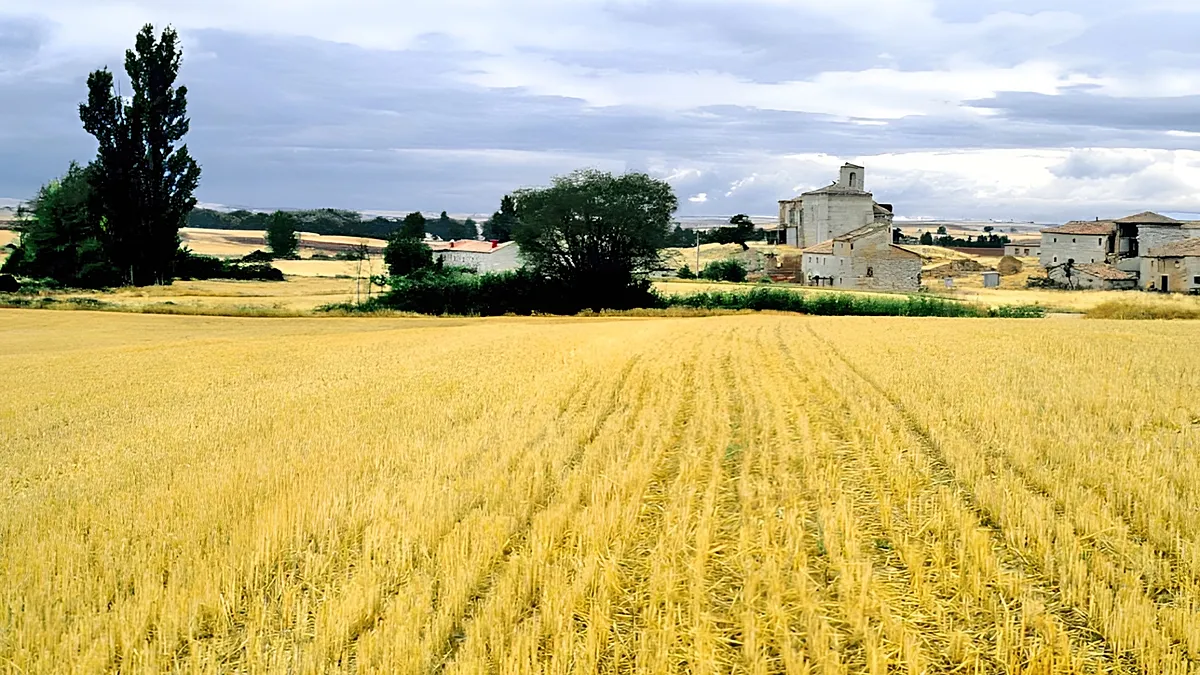
Table of Contents
Once Abandoned Spanish Village Becomes NASA’s Eclipse Broadcast Hub
Poinews.com – Once abandoned Spanish village becomes NASA’s unexpected choice for one of the most anticipated astronomical events of the decade. Villalibado, a tiny hamlet nestled in the province of Burgos, Spain, has been resurrected from near-total abandonment and is now set to host a major international broadcast. NASA has selected this charming village as one of its premier ringside locations for the total solar eclipse occurring on 12 August 2026. The community, which lay deserted for decades before dedicated locals painstakingly restored it, will welcome a team of American scientists and technicians eager to capture the celestial phenomenon.
Why NASA Chose Villalibado for Eclipse Coverage
The selection of Villalibado was no accident. According to officials, the village offers several advantages that make it ideal for eclipse broadcasting. Its position within the path of totality ensures optimal viewing conditions, while the unobstructed horizon provides clear sightlines for cameras and telescopes. Additionally, the village already possesses robust communications infrastructure, including fibre-optic connections that can handle high-bandwidth live streaming.
The observation station will be established near the historic church of San Salvador, located in the upper section of Villalibado. Approximately thirty NASA and Exploratorium scientists and technicians will work together to prepare the international broadcast from this location. Juan Ansótegui, the entrepreneur who purchased Villalibado two decades ago to transform it into a rural tourism destination, revealed that NASA contacted him several months in advance to reserve the entire village, including its beautiful Romanesque church, for the eclipse event.
“I thought it was a scam,” Ansótegui recalled when first receiving the call from the US space agency. He explained that NASA had spent over a year evaluating potential locations along the eclipse path across Spain before ultimately choosing Villalibado. “They visited numerous sites without announcing their intentions and selected our village after thorough consideration.”
Ansótegui emphasized that the technical requirements from NASA have been surprisingly modest. “They simply requested dedicated electricity and network connections,” he noted. “Fortunately, Villalibado already has fibre-optic infrastructure in place, so there have been no complications.”
From Ghost Town to Global Stage
Villalibado’s transformation is nothing short of remarkable. The village remained completely uninhabited for nearly thirty years before restoration efforts began. Its final two permanent residents departed in 1998, leaving behind empty homes and silent streets. Years later, Ansótegui and his siblings initiated an ambitious project to revive Villalibado as a rural tourism complex, restoring buildings and creating accommodations for visitors seeking authentic Spanish countryside experiences.
Now, this once-abandoned Spanish village becomes a focal point for millions worldwide who will watch the eclipse through NASA’s live broadcast. The coverage will stream through the Exploratorium’s website and YouTube channel, with additional distribution planned for international media outlets. Viewers can expect real-time footage, expert interviews, and documentation of scientific experiments conducted during the eclipse.
The total solar eclipse on 12 August will traverse Greenland, Iceland, the Atlantic Ocean, northern Spain, a portion of Portugal, and northern Russia. While observers in these regions will witness the full eclipse, viewers across much of Europe and the northern hemisphere will see a partial eclipse. The live broadcast begins at 7:30 pm CEST (10:30 am PDT), providing both immediate coverage and educational materials for future use.
Frequently Asked Questions
When is the total solar eclipse in 2026? The total solar eclipse will occur on 12 August 2026, with the path of totality crossing several regions including northern Spain where Villalibado is located.
How can I watch the NASA broadcast from Villalibado? The live feed will be available on the Exploratorium’s website and YouTube channel, with additional distribution to international media outlets.
What time does the broadcast start? The live coverage begins at 7:30 pm CEST (10:30 am PDT) on 12 August 2026.
Why was Villalibado selected over other Spanish villages? NASA chose Villalibado after evaluating multiple locations along the eclipse path, citing its position within totality, clear horizon views, and existing communications infrastructure as key factors.
What is the history of Villalibado? Villalibado was abandoned for nearly three decades, with its last residents leaving in 1998. Juan Ansótegui purchased the village twenty years ago and, with his siblings, restored it as a rural tourism destination.