Argentina risk FIFA fine for ‘Las Malvinas’ banner
Argentina Risk FIFA Fine for 'Las Malvinas' Banner Argentina risk FIFA fine for Las Malvinas - During a high-stakes World Cup semi-final clash against

Argentina Risk FIFA Fine for ‘Las Malvinas’ Banner
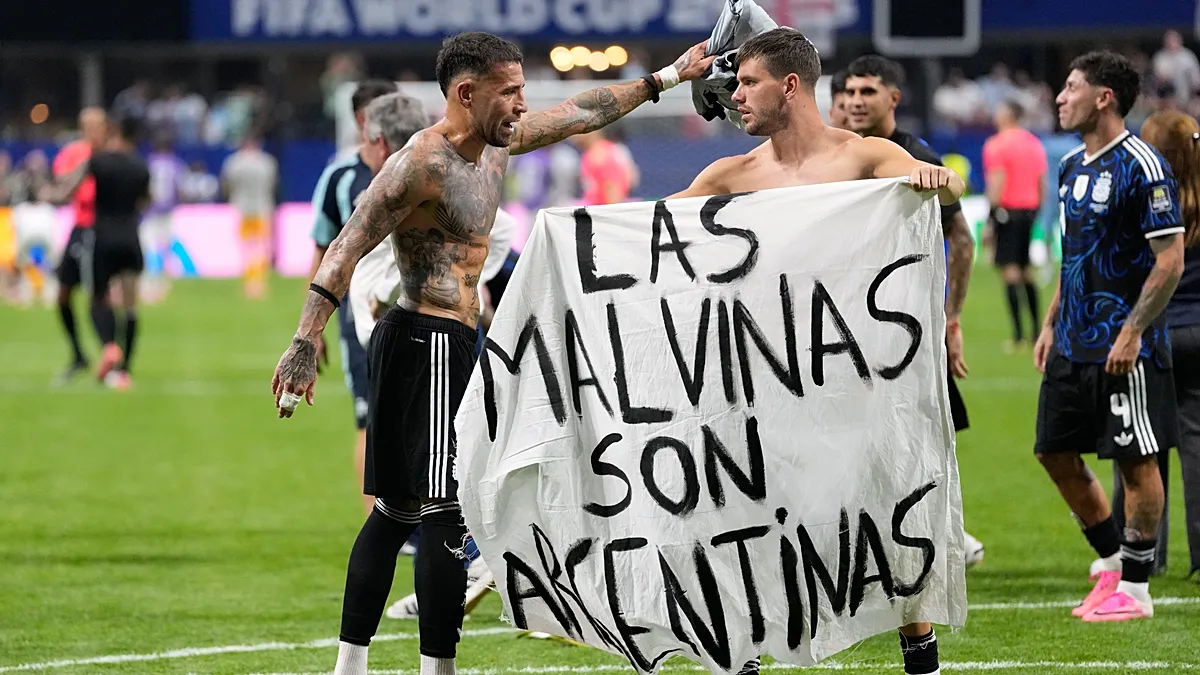
Poinews.com – During a high-stakes World Cup semi-final clash against England, Argentine footballers made a bold political statement by displaying a banner reading “Las Malvinas son Argentinas,” asserting their claim to the Falkland Islands. This act of solidarity, which occurred after the team’s dramatic 2-1 comeback win, raised concerns about compliance with FIFA’s regulations on stadium conduct. The banner, unfurled by players on the pitch, symbolized Argentina’s long-standing territorial dispute with the United Kingdom over the islands, a conflict that dates back to the 1982 Falklands War. While the gesture was celebrated by fans across the nation, it also put the team in potential trouble with the global football governing body.
The incident highlights the delicate balance between national pride and adherence to FIFA’s code of conduct. The organization has strict rules prohibiting displays that are deemed political, offensive, or discriminatory, particularly in the context of international matches. Argentina’s 2014 fine for similar banners during a friendly against Slovenia serves as a precedent, with the Argentine Football Association (AFA) paying 30,000 Swiss francs (€32,455) for violating the regulations. This time, however, the situation escalated, as the banner was shown during a high-profile World Cup game, drawing immediate attention from FIFA officials and international observers. The players’ decision to incorporate the phrase into their post-match celebration sparked debates about whether football should be a platform for political expression or remain neutral in global competitions.
Historical Context and Territorial Claims
The Falkland Islands, known as the Islas Malvinas in Argentina, have been a focal point of geopolitical contention for decades. The 1982 conflict between Argentina and the UK, which resulted in 655 Argentine and 255 British casualties, remains a defining moment in the nation’s history. Argentina’s continued advocacy for sovereignty over the islands is rooted in the belief that Britain’s 1833 occupation was an act of colonial aggression. The phrase “Las Malvinas son Argentinas” has since become a powerful rallying cry, often used in both sports and political arenas to assert national identity. While the UK maintains its claim based on the 2013 referendum where islanders overwhelmingly chose to remain British, Argentina’s supporters argue that the referendum was not binding under international law and that the islands have been occupied for over 180 years.
FIFA’s Code of Conduct and Global Implications
FIFA’s Stadium Code of Conduct, which applies to all international matches, aims to prevent political interference during sporting events. The rule prohibits banners, flags, or slogans that could incite controversy or disrupt the impartiality of the game. Argentina’s recent display, though spontaneous, could lead to a financial penalty or a warning from FIFA. This incident underscores the tension between cultural expression and institutional regulations in global sports. While some view the banner as a legitimate expression of national sentiment, others argue that it risks undermining the neutrality expected in international competitions. The decision to allow the banner in this case may set a precedent for future displays, depending on how FIFA interprets its rules in the context of historical disputes.
Player Reactions and Public Sentiment
Argentina risk FIFA fine for Las Malvinas – The players’ choice to include the banner in their post-victory celebration was met with mixed reactions. Supporters hailed the move as a proud display of national identity, with many expressing solidarity through social media and public gatherings. However, critics, including some British fans and international media outlets, questioned whether the gesture was appropriate for a World Cup match. The banner’s placement on the pitch, a symbolic space for unity and competition, added to the controversy. Despite the risk, the players’ actions reflected a broader cultural and political narrative, one that intertwines football with national history. This incident also reignited discussions about the role of sports in shaping international perceptions of territorial disputes.
International football associations and fans have expressed divided opinions on the issue. While some countries have supported Argentina’s right to express its stance, others have called for stricter enforcement of FIFA’s rules to ensure consistency across all nations. The AFA, which had previously faced fines for similar displays, defended the players’ actions, emphasizing that the banner was a spontaneous expression of pride rather than a deliberate provocation. FIFA, however, has not yet issued a formal response, leaving the situation open to interpretation. The potential fine could range from a symbolic warning to a more substantial penalty, depending on the organization’s assessment of the banner’s impact on the match’s atmosphere.
As the World Cup final approaches, the controversy surrounding the banner has added a new layer of significance to Argentina’s journey. The team’s ability to navigate this political challenge without penalty will be closely watched, not only by fans but also by governments and sports organizations alike. The incident has sparked debates about whether football should serve as a diplomatic tool or remain a sport free from political influence. Argentina’s risk of a fine for Las Malvinas may ultimately highlight the intersection of nationalism, sports, and global governance. Regardless of the outcome, the banner has become an enduring symbol of the country’s unwavering claim to the islands, intertwining the game’s moments with historical legacy.