Ukraine’s €90bn EU loan is ready to roll out. But where will the money go?
Ukraine's €90bn EU Loan Is Ready to Roll Out. But Where Will the Money Go? The EU's €90bn Loan Begins Flowing Ukraine s 90bn EU loan is ready - The European

Ukraine’s €90bn EU Loan Is Ready to Roll Out. But Where Will the Money Go?
The EU’s €90bn Loan Begins Flowing
Poinews.com – The European Union’s €90 billion loan to Ukraine has officially entered the implementation phase, marking a significant step in supporting the nation’s recovery from the ongoing war with Russia. Announced in mid-June, the disbursement is expected to provide critical financial relief for Ukraine’s military and civilian sectors. While the funds are primarily aimed at addressing the immediate needs of the conflict, the country has yet to disclose the exact breakdown of how the money will be distributed. The European Commission has emphasized that the loan will be allocated through a structured framework to ensure transparency and efficiency. This move comes after years of negotiations, as the EU seeks to balance its strategic interests with Ukraine’s specific requirements.
Defense Priorities and Allocation Strategy
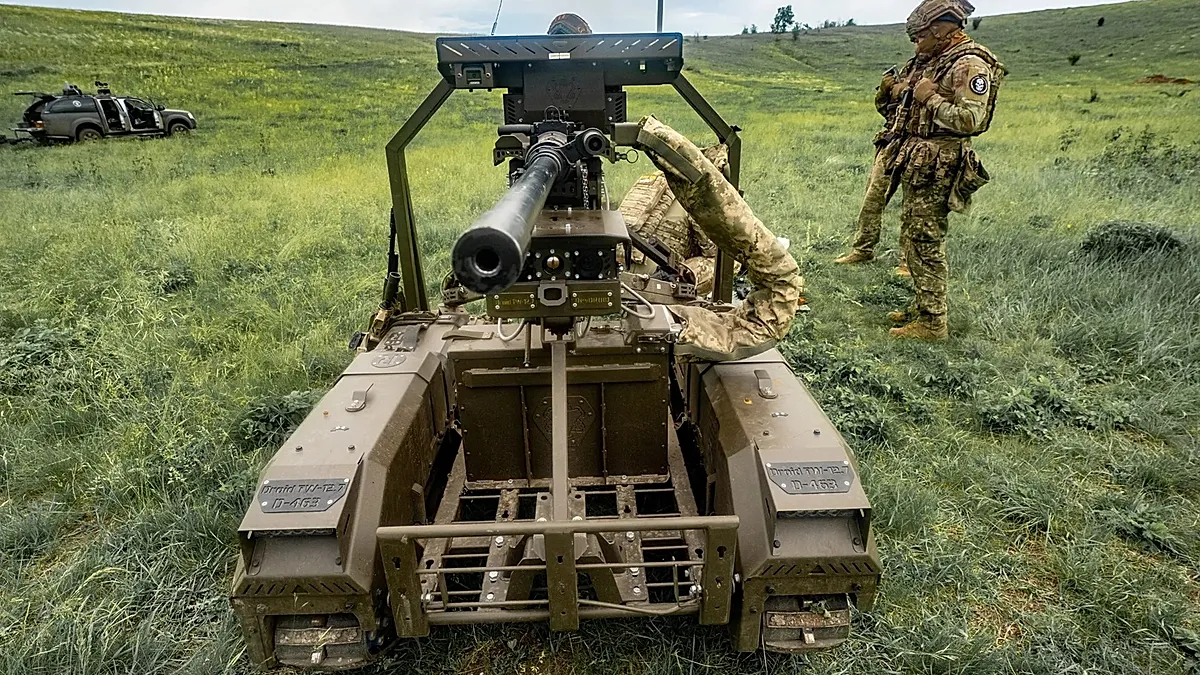
Ukrainian President Volodymyr Zelenskyy has stated that a substantial portion of the €90bn loan will be directed toward strengthening Ukraine’s defense capabilities. With the war entering its fifth year, the country’s military faces ongoing challenges in procuring advanced weaponry and maintaining operational readiness. The loan is projected to cover €60 billion in defense-related expenditures, including the purchase of air defense systems, armored vehicles, and other essential military equipment. The remaining €30 billion will be allocated to the national budget to support broader infrastructure development, healthcare systems, and economic recovery efforts. This strategic split aims to address both the immediate and long-term needs of the nation.
“The loan reflects a compromise between supporting Ukraine’s war effort and reinforcing European defense industries,” noted a diplomatic official. “It’s not just about funding the frontlines but also about ensuring that European companies benefit from the procurement process.”
Despite the EU’s commitment to transparency, some member states have expressed concerns about the potential for Ukraine to prioritize foreign suppliers over European ones. France, for example, has advocated for a more aggressive push to buy weapons from EU-based manufacturers, arguing that this would stimulate domestic production and reduce reliance on external sources. However, the European Council has acknowledged the need for flexibility, allowing Ukraine to source equipment from non-EU countries if delivery timelines or technical specifications are not met. This balance between flexibility and strategic alignment is central to the loan’s success.
Industry Collaboration and Production Goals
The EU’s security strategy also includes a focus on bolstering its own defense industry, which has faced stagnation due to years of underinvestment and fragmentation. The €90bn loan is designed to incentivize European firms to ramp up production of military hardware and support Ukraine’s war efforts. Key areas of investment include the development of European defense technology, the modernization of military infrastructure, and the creation of supply chains that can sustain both Ukraine and the EU’s security needs. The European Commission has encouraged collaboration between Ukrainian and European companies, aiming to create a win-win scenario for both parties.
“This loan is a catalyst for Europe’s defense sector to innovate and scale up,” said a European Commission spokesperson. “By supporting Ukraine, we are also investing in our own security and economic resilience.”
Industry experts have highlighted the importance of this partnership in ensuring that the EU remains self-sufficient in critical defense technologies. The loan’s framework allows for the procurement of European products, with exceptions made for cases where no local alternatives exist. This strategy not only addresses Ukraine’s urgent needs but also strengthens the bloc’s collective defense posture, aligning with the EU’s broader security goals. The next phase of the loan’s implementation will focus on monitoring its impact and adjusting priorities as needed.
Impact on Ukraine’s Economy and Society
As the €90bn loan begins to flow, its potential impact on Ukraine’s economy and society is being closely examined. The funds are anticipated to provide a much-needed boost to Ukraine’s war-torn economy, supporting both public services and private sector growth. Analysts suggest that the money will help stabilize the national currency, reduce inflation, and create jobs in key industries. Additionally, the loan will be crucial in maintaining essential services, such as healthcare and education, which have been strained by the war. The European Commission has pledged to ensure that the funds are used efficiently, with regular reporting required to track their distribution and effectiveness.
One of the key challenges in managing the loan is ensuring that the funds reach the most critical areas. While the defense sector will receive the lion’s share, there are also plans to invest in energy infrastructure, digital transformation, and social programs. The EU has stressed the importance of balancing immediate military needs with long-term development projects to foster sustainable recovery. As Ukraine’s government continues to outline its spending plans, the international community will be watching closely to see how the €90bn loan is utilized in the months and years ahead.
“The loan is a lifeline for Ukraine, but its success depends on how well it is integrated into the country’s overall economic and social strategy,” added a financial analyst. “It’s not just about the war; it’s about building a resilient future.”
Future Implications and EU’s Role in Ukraine’s Recovery
The allocation of the €90bn EU loan will have far-reaching implications for Ukraine’s long-term stability and the EU’s role in the region. By providing financial support, the EU is reinforcing its commitment to Ukraine’s sovereignty and territorial integrity. This includes funding for the reconstruction of infrastructure damaged during the conflict, as well as investments in renewable energy and digital connectivity to reduce dependency on external suppliers. The loan also aims to strengthen Ukraine’s financial reserves, which have been depleted by years of war and economic sanctions. This financial cushion is expected to provide the country with greater flexibility in managing its resources and responding to emerging challenges.
As the EU continues to support Ukraine, the focus will remain on ensuring that the €90bn loan is used to achieve strategic objectives. This includes fostering closer economic ties between Ukraine and the EU, as well as promoting political and diplomatic cooperation. The European Council has already signaled its intention to expand the loan’s scope, with potential future funding tied to Ukraine’s progress in meeting specific benchmarks. This ongoing support underscores the EU’s dedication to Ukraine’s recovery, even