No Zelenskyy in Gdansk: can Ukraine’s recovery forum ease Warsaw–Kyiv tensions?
No Zelenskyy in Gdansk: Can Ukraine’s Recovery Forum Ease Warsaw–Kyiv Tensions? No Zelenskyy in Gdansk - As the Ukraine Recovery Forum commences in Gdansk

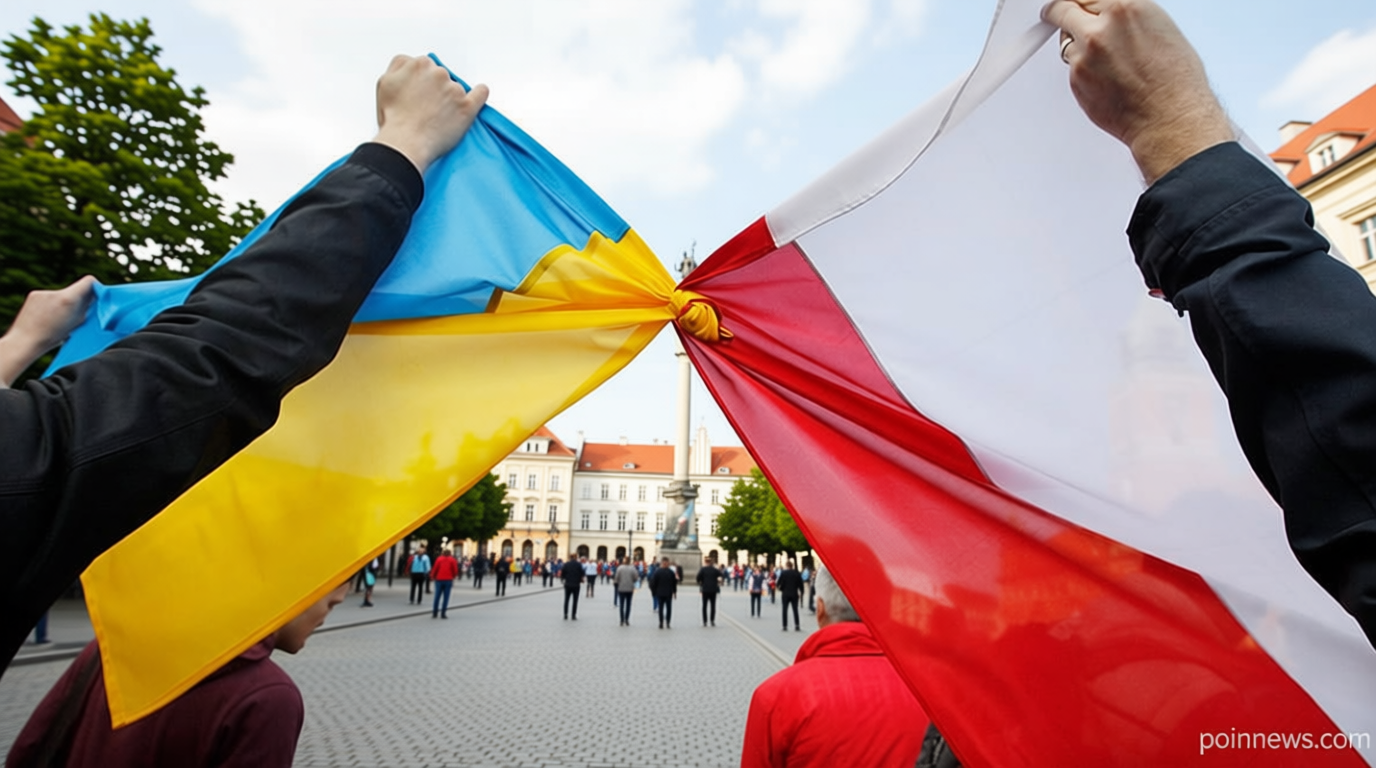
No Zelenskyy in Gdansk: Can Ukraine’s Recovery Forum Ease Warsaw–Kyiv Tensions?
Poinews.com – As the Ukraine Recovery Forum commences in Gdansk, the conspicuous absence of President Volodymyr Zelenskyy has sparked renewed debate about the event’s ability to bridge the widening divide between Ukraine and Poland. The two-day summit, which brings together international leaders and stakeholders, is intended to highlight progress in post-war reconstruction efforts. However, with Zelenskyy not attending, questions linger about whether the forum can effectively address the deepening geopolitical rift between Kyiv and Warsaw, particularly over the naming of a military unit in honor of the Ukrainian Insurgent Army (UPA). This decision has been a flashpoint in bilateral relations, raising concerns about the symbolic and practical implications of the conflict.
Ukraine’s Recovery Forum, held in the Polish city of Gdansk, has long been seen as a cornerstone of the country’s strategy to secure international support for its rebuilding efforts. Since its inception in 2022, the forum has aimed to mirror the success of the post-World War II Marshall Plan, which helped revive Europe’s economy through coordinated financial aid and infrastructure projects. This year’s event, however, faces an unusual challenge: the lack of high-level Ukrainian leadership. President Zelenskyy’s absence is interpreted by some as a strategic choice, while others view it as a sign of growing discord. Despite this, the forum remains a vital platform for showcasing Ukraine’s resilience and economic plans.
The UPA Controversy
The naming of a military unit after the Ukrainian Insurgent Army (UPA) has become a symbolic battleground between Ukraine and Poland. In Ukraine, the UPA is revered as a key force in the nation’s struggle for independence from Soviet rule, with its actions during World War II framed as resistance against occupation. Poland, on the other hand, recalls the UPA for its role in the Volyn tragedy, a series of massacres in 1943–45 that saw thousands of Poles killed by Ukrainian nationalist forces. This historical divergence has fueled political tensions, with Polish officials accusing Kyiv of downplaying the suffering of their citizens during the war.
“The UPA’s legacy is not just about freedom, but also about the cost of that freedom,” remarked Katarzyna Pełczyńska-Nałęcz, Poland’s Minister of Development Funds and Regional Policy. “By honoring them in this way, Ukraine risks reinforcing a narrative that overshadows the Polish perspective.”
President Zelenskyy’s decision to rename a military unit after the UPA has drawn sharp criticism from Poland, which views the move as a political provocation. Polish President Karol Nawrocki has since revoked the Order of the White Eagle, Poland’s highest honor, from Zelenskyy. In response, the Ukrainian leader returned the award to Warsaw, signaling a willingness to engage in dialogue but also highlighting the gravity of the dispute. His absence at the forum has left his team to navigate the complexities of the situation, with some Kyiv officials expressing confusion over the timing of his withdrawal.
EU and International Support
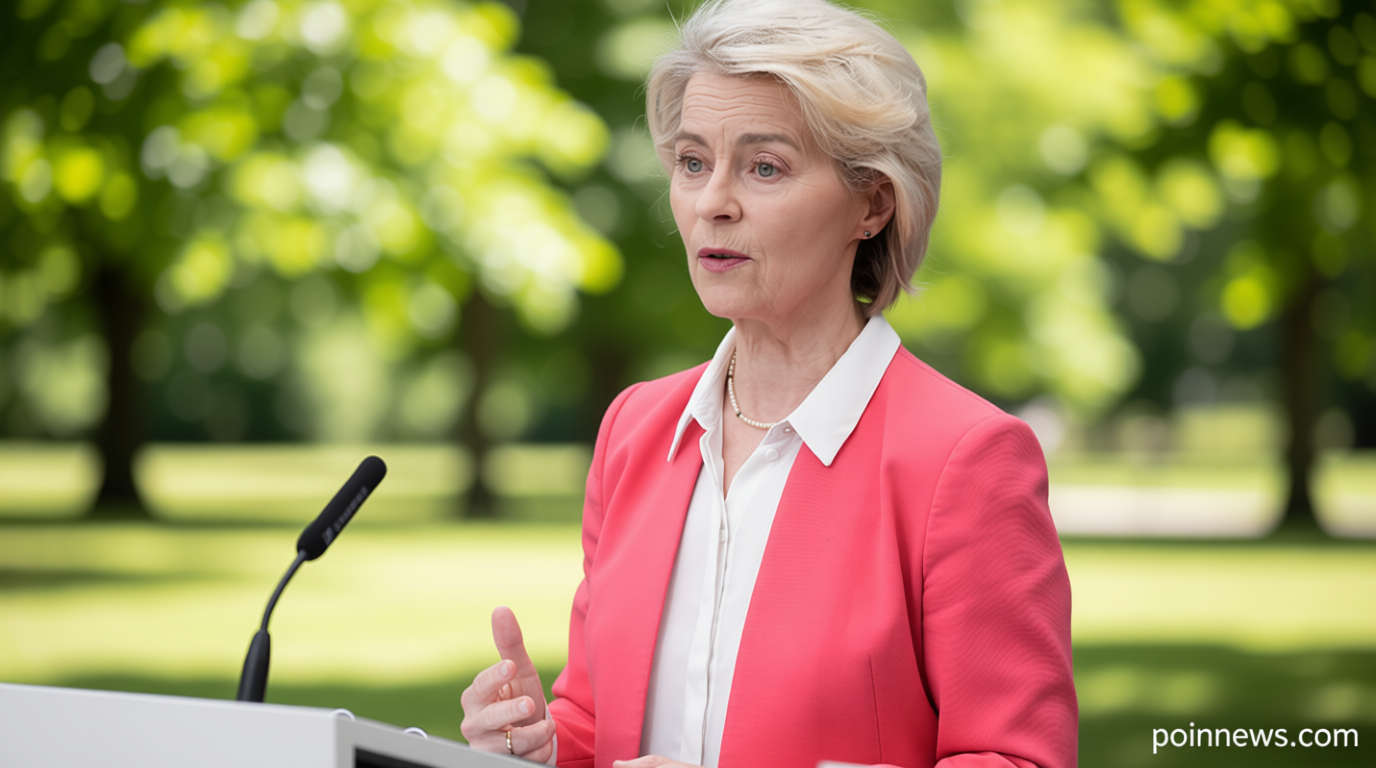
Amid the diplomatic tension, the European Union has positioned itself as a mediator, with Commission President Ursula von der Leyen set to address the conference. Her announcement of the first installment of a €90 billion loan package—amounting to €3.2 billion—aims to alleviate Ukraine’s financial strain. However, the package’s approval has been delayed by Hungary’s objections, which have raised concerns about the EU’s unity in supporting Kyiv. Despite these hurdles, the loan disbursement underscores the EU’s commitment to Ukraine’s recovery, even as political disagreements persist.
International participation in the forum has been robust, with leaders from Germany, Lithuania, the Czech Republic, and the UK joining Polish and Ukrainian delegations. The UK, for instance, has pledged a €330 million aid package to bolster Ukraine’s energy sector and judicial reforms, reflecting broader European solidarity. Yet, the absence of Zelenskyy casts doubt on whether the summit can fully address the concerns of both nations. Instead, the event may serve as a stage for diplomatic posturing, with key decisions potentially deferred to the EU and other global actors.
As the forum unfolds, its success will depend on the ability of Ukrainian and Polish representatives to find common ground. Prime Minister Yulia Svyrydenko, leading Ukraine’s delegation, has emphasized economic collaboration as a priority, acknowledging the need to move beyond political disagreements. Meanwhile, Polish officials have called for a reevaluation of the UPA’s historical role, urging Kyiv to recognize the sacrifices of Poles during the war. Whether these efforts can translate into tangible progress remains to be seen, but the absence of Zelenskyy in Gdansk has already set the tone for a more cautious approach to bilateral relations.