Mount Olympus seeks place on UNESCO World Heritage List
t Olympus Aims for UNESCO World Heritage Status Mount Olympus seeks place on UNESCO World Heritage List, a significant step toward international recognition

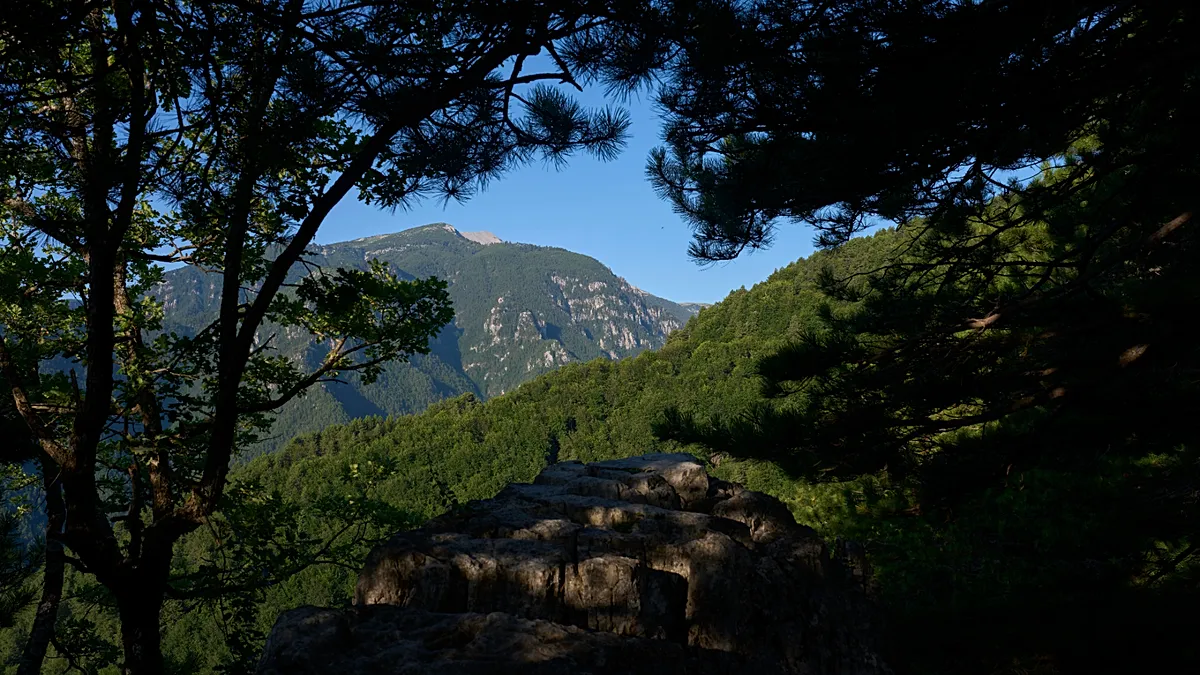
Mount Olympus Aims for UNESCO World Heritage Status
Poinews.com – Mount Olympus seeks place on UNESCO World Heritage List, a significant step toward international recognition of its unique cultural and natural heritage. The Greek mountain, which stands at 2,918 meters and is the highest peak in the country, is currently under evaluation by the World Heritage Committee for potential inclusion in the UNESCO list. This assessment, taking place during the July session in Seoul, will determine whether Mount Olympus qualifies as a mixed heritage site, combining both natural and cultural significance. The nomination, first submitted by Greece in 2014, has sparked anticipation among locals and global heritage advocates, who see this as a chance to preserve the mountain’s legacy for future generations.
The Mythical and Natural Legacy of Mount Olympus
Mount Olympus has long been a symbol of ancient Greek mythology, believed to be the dwelling place of Zeus and the twelve Olympian gods. This cultural icon is not only a cornerstone of Greek history but also a vital ecological region, home to diverse flora and fauna, unique geological formations, and ancient archaeological sites. The mountain’s recognition by UNESCO would underscore its role as a living testament to human and natural history, linking mythological narratives with tangible evidence of Greece’s ancient past and its role in shaping global civilization. Additionally, the area’s rich biodiversity and ecological processes make it a prime candidate for preservation under the UNESCO framework.
“Mount Olympus is our life. It is the place where we grew up, the place we see every day. At the same time, it carries myth, history, biodiversity, unique natural beauty, and immense cultural meaning.”
Experts emphasize that Mount Olympus’s inclusion in the UNESCO list requires demonstrating its Outstanding Universal Value, a criterion that must be met through detailed documentation of its natural and cultural attributes. This includes evidence of the mountain’s geological significance, such as its role in the formation of the Pindus Mountains, and its ecological value, which encompasses rare species like the brown bear and the endangered Macedonian lynx. Cultural sites like the ancient ruins of Dion, located at the mountain’s base, are also being considered for integration into the site’s designation to strengthen its case.
Community and Environmental Considerations
Mount Olympus is not just a geographical feature but a deeply woven part of the identity of the local communities that live in its shadow. For many in the region, the mountain represents more than a place of worship or myth—it is a source of livelihood, a landmark for traditions, and a natural sanctuary. As the World Heritage Committee reviews the dossier, representatives from villages like Litochoro have expressed their hopes for global acknowledgment of their connection to the land. However,