Shakira leads first World Cup half-time show that briefly steals the spotlight
Shakira Leads First World Cup Half-Time Show Shakira leads first World Cup half - The 2026 FIFA World Cup final delivered an unforgettable twist with its

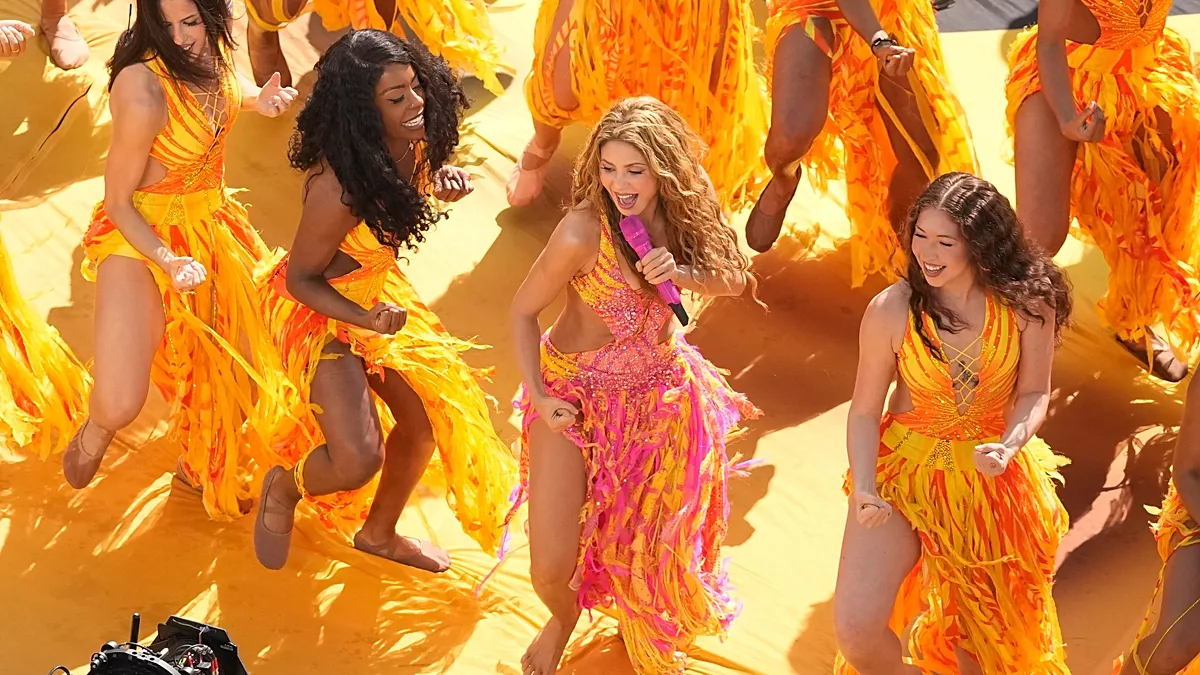
Shakira Leads First World Cup Half-Time Show
Poinews.com – The 2026 FIFA World Cup final delivered an unforgettable twist with its debut half-time performance, a bold experiment that turned the intermission between Spain and Argentina into a global spectacle. This historic event, inspired by the grandeur of US sports halftime shows, extended the traditional 15-minute break to nearly 30 minutes, creating a unique platform for entertainment. Held at MetLife Stadium in East Rutherford, New Jersey, the showcase featured a dazzling fusion of pop, rock, and classical music, setting a new standard for cultural integration in football’s most prestigious match.
A Spectacular Blend of Art and Sport
Shakira, the Colombian pop icon, took center stage in the first World Cup half-time show, performing the tournament’s official anthem, “Dai Dai,” alongside an ensemble of world-renowned artists. The performance included a collaboration between Shakira leads first World Cup half and the New York Philharmonic, joined by Venezuelan conductor Gustavo Dudamel and the Simón Bolívar Symphony Orchestra. This unprecedented union of modern pop and orchestral artistry highlighted the show’s ambition to elevate the World Cup beyond sports into a celebration of global culture.
“Shakira leads first World Cup half is a powerful reminder of how music can unite people across borders,” remarked one fan, capturing the universal appeal of the performance. The event’s 30-minute duration allowed for a carefully curated sequence of acts, blending high-energy pop hits with serene classical pieces to mirror the ebb and flow of the match itself.
Logistical Innovations for a Seamless Experience
FIFA’s decision to introduce the first World Cup half-time show required significant logistical adjustments. The traditional 15-minute break was extended to accommodate the performance, which involved setting up temporary stages, lighting rigs, and sound systems on the pitch. To ensure minimal disruption, the team dismantled the stages before the game resumed, showcasing the efficiency of modern event planning. This innovation not only transformed the break into a highlight of the match but also demonstrated FIFA’s commitment to pushing the boundaries of sports entertainment.
A Global Mission Beyond the Field
The halftime show was more than a musical display—it was a mission to raise awareness and funds for global education initiatives. Partnering with Global Citizen, FIFA leveraged the event to spotlight causes such as access to quality education in underserved communities. With a sold-out crowd of 80,000, the show became a symbol of football’s ability to merge athletic excellence with social advocacy. Shakira leads first World Cup half also served as a platform for UNESCO and other organizations to share their messages, reinforcing the tournament’s role as a catalyst for positive change.
“This performance is a testament to the World Cup’s evolving role as a cultural and social beacon,” said a spokesperson from Global Citizen. The combination of star power and orchestral depth not only captivated fans but also underscored the importance of education as a global priority.
Artist Collaborations and Cultural Symbolism
Shakira leads first World Cup half featured a diverse array of artists, each contributing to the event’s global appeal. From the energetic choreography of BTS to the soulful vocals of Justin Bieber, who adapted his song “Everything Hallelujah” to fit the occasion, the lineup reflected the tournament’s international reach. The inclusion of Gustavo Dudamel and the Simón Bolívar Symphony Orchestra added a layer of cultural symbolism, emphasizing the collaborative spirit between different musical traditions. This blend of genres resonated with fans, many of whom described the performance as a “cultural bridge” connecting audiences worldwide.
Legacy and Future Implications
As the 2026 World Cup half-time show concluded, its impact on the tournament’s legacy became evident. The success of this event has set a precedent for future editions, with FIFA already planning to expand the format in subsequent years. Shakira leads first World Cup half not only entertained but also redefined the role of halftime performances in football. By incorporating high-profile artists and orchestral elements, the show proved that the World Cup could serve as a stage for both athletic and artistic excellence. With its blend of innovation and tradition, this milestone may inspire a new era of sports entertainment that continues to captivate audiences across the globe.