Heading for the North Pole on Tara Polar Station’s first expedition
's First Expedition Heading for the North Pole on Tara - As the world continues to grapple with the effects of climate change, a bold new initiative is set to

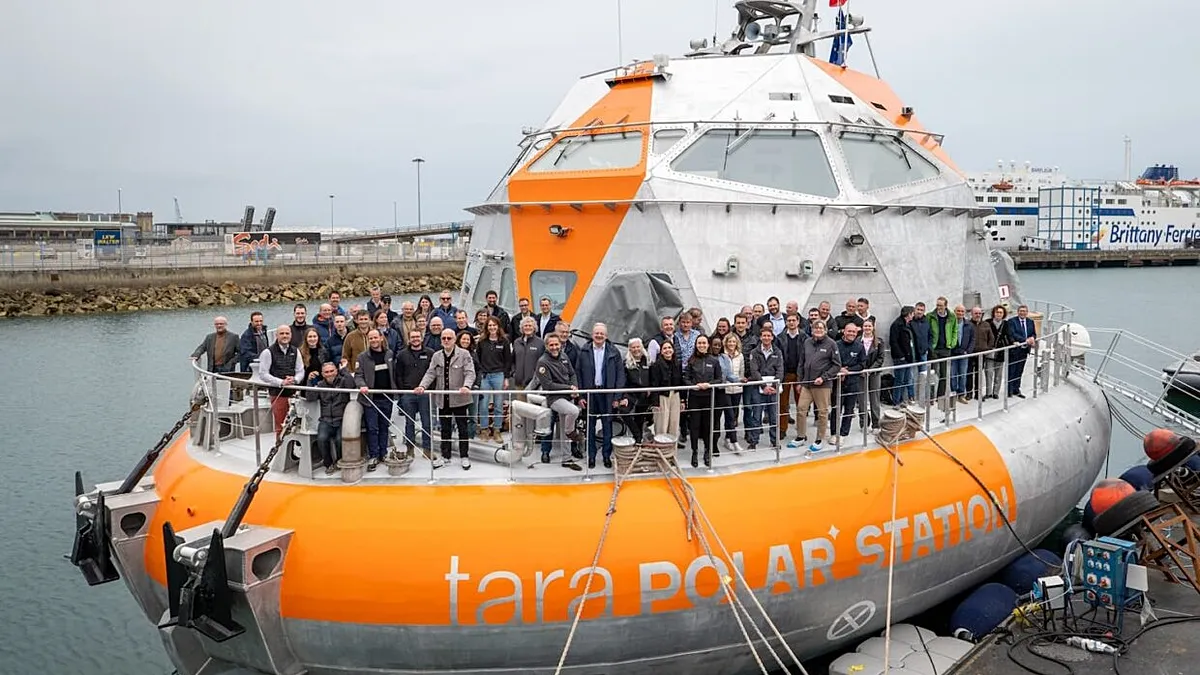
Table of Contents
Heading for the North Pole on Tara Polar Station’s First Expedition
Poinews.com – As the world continues to grapple with the effects of climate change, a bold new initiative is set to explore the Arctic’s changing environment. The Tara Polar Station, a cutting-edge floating research facility designed to move with the sea ice, is now on its first expedition to the North Pole, marking a significant milestone in Arctic exploration. This venture, which began from Lorient’s port on Sunday afternoon, has drawn a crowd of several hundred spectators, with Minister for the Sea Catherine Chabaud in attendance to witness the departure. The focus keyword, ‘heading for the North Pole,’ underscores the station’s mission to study one of the Earth’s most remote and rapidly transforming regions.
The Science Behind the Mission
At the heart of this expedition is a commitment to understanding the Arctic’s ecological and climatic dynamics. The Tara Polar Station, constructed in the shape of an igloo atop a massive buoy, is engineered to withstand extreme conditions, including sea ice pressure and temperatures as low as −52 °C. This unique design allows the station to remain stable in the Arctic Ocean while drifting with the ice, providing researchers with continuous access to a constantly shifting environment. The mission’s primary goal is to investigate the biodiversity of the region and monitor the accelerating impacts of global warming, which has caused the Arctic to warm three to four times faster than the rest of the planet.
Research Objectives and Environmental Impact
During its 350 to 500-day journey, the Tara Polar Station will be carried by the drifting ice toward the Fram Strait, the passage between Greenland and Svalbard. Its route will begin along Russia’s coast in mid-August, guided by an icebreaker to ensure safe navigation. Once embedded in the pack ice by early September, the station will drift at an average speed of ten kilometers per day, offering a unique vantage point for long-term scientific observation. The research conducted here will contribute to global efforts to map Arctic biodiversity and track how ecosystems are adapting to rising temperatures. This data is crucial for predicting future environmental shifts and informing climate policies.
Preparing for Extreme Conditions
The team of twelve crew members, including six scientists, will reside aboard the station during the winter months, while eighteen will join in the summer. These individuals have undergone rigorous medical and psychological evaluations, as well as team-building exercises, to ensure they are equipped to handle the challenges of extreme isolation and harsh conditions. The expedition will face five months of continuous darkness, temperatures as low as −25 °C, and the ever-present threat of polar bear encounters. To enhance safety, all crew have received firearm training, and a Lapponian herding dog will accompany them to detect approaching wildlife, adding a layer of security in the icy wilderness.
Advanced equipment at the station’s core will enable researchers to collect over 10,000 samples from water depths of up to 2,000 meters, as well as data from the atmosphere and sea ice interiors. These samples will help map the Arctic’s biodiversity before it undergoes significant changes, providing a baseline for future comparisons. The mission also aims to refine climate models by analyzing how bacteria influence cloud reflectivity, a factor that plays a critical role in regulating Earth’s temperature. This research underscores the importance of the North Pole as a key indicator of global environmental health.
“The Tara Polar Station represents a new frontier in Arctic research. By heading for the North Pole, we are not just studying a remote region; we are examining the future of our planet,” said Dr. Marie Leclerc, a marine biologist involved in the project.
The initial expedition is estimated to cost 6 million euros, with a ten-year plan to conduct regular missions between 2026 and 2045. Each two-year expedition will provide critical insights into the Arctic’s evolving conditions, building a comprehensive dataset for scientists worldwide. As the station drifts toward the North Pole, its findings will contribute to international discussions on climate change, biodiversity loss, and sustainable exploration. This venture highlights the growing urgency to study the Arctic, a region that is central to understanding the planet’s climate system and its response to human activity.