Swiss glaciers melting at alarming rate in June as Europe faces extreme heat
Swiss Glaciers Melt at Alarming Rate in June as Europe Faces Extreme Heat Swiss glaciers melting at alarming rate - Swiss glaciers are melting at an alarming

Swiss Glaciers Melt at Alarming Rate in June as Europe Faces Extreme Heat
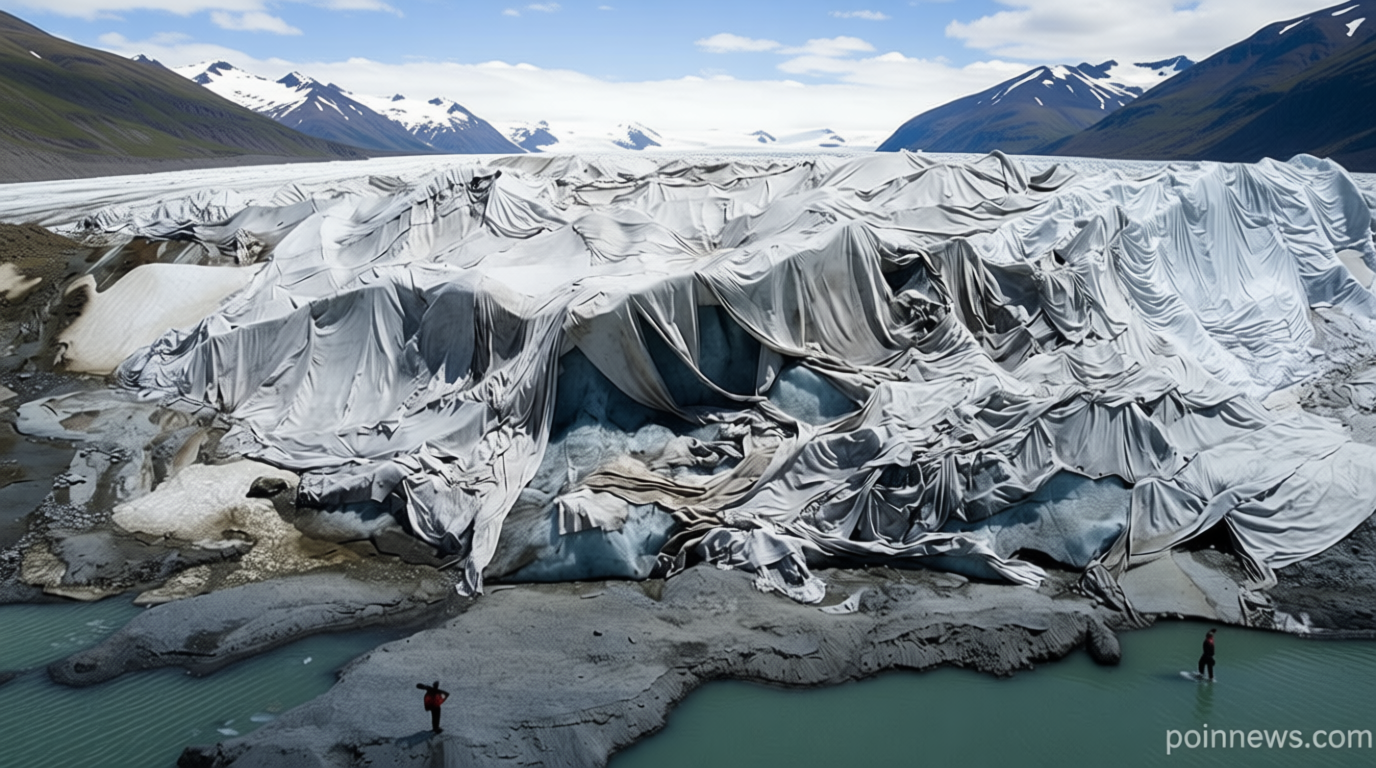
Poinews.com – Swiss glaciers are melting at an alarming rate this June, marking a significant acceleration in their retreat due to a prolonged heatwave across Europe. According to the Glacier Monitoring in Switzerland (GLAMOS), the early disappearance of winter snow and ice has pushed the seasonal tipping point for melting far earlier than usual. This rapid decline underscores the urgent impact of climate change on the continent’s glacial systems, which have long served as critical reservoirs for freshwater and ecosystems.
Early Tipping Point and Climate Trends
Historically, the peak melting period for Swiss glaciers has occurred around mid-August, but this year it has shifted dramatically to June. This unprecedented event mirrors the 2022 anomaly, when the same phenomenon was recorded on June 26. The Swiss glaciers melting at alarming rate is now part of a broader trend, with researchers noting that glacier retreat has been a gradual process since the 19th century. However, the current pace of loss is alarming, with recent years witnessing a sharp increase in the rate of ice disappearance.
“The Swiss glaciers melting at an alarming rate is a clear signal of the escalating climate crisis,” remarked Matthias Huss, head of GLAMOS. “This early melting is not just a seasonal variation but a critical indicator of how extreme weather events are now altering natural cycles.”
Drivers of Accelerated Melting
The combination of rising global temperatures and reduced winter snowfall has created a perfect storm for glacier loss. This year, Swiss glaciers received approximately 25% less fresh snow compared to the 2010–2020 average, leaving them more vulnerable to the heat. The persistent heatwave, characterized by temperatures exceeding 40°C in several European regions, has caused the snow to vanish earlier than normal, exposing darker ice that absorbs more solar energy. This feedback loop exacerbates the melting process, making the Swiss glaciers melting at an alarming rate even more severe.
Climate scientists have linked the accelerated retreat to long-term warming trends, with recent data showing a 2°C rise in average temperatures over the past two decades. The early onset of summer conditions has also disrupted traditional seasonal patterns, leading to unpredictable water flows and ecological imbalances. “The Swiss glaciers melting at an alarming rate is part of a global pattern, but the region’s unique geography makes it particularly vulnerable,” noted Dr. Lena Mäder, a climatologist at the University of Zurich.
Consequences for Ecosystems and Water Resources
The rapid loss of glaciers has far-reaching implications for both ecosystems and human resources. In the Alps, where Swiss glaciers are concentrated, the melting at an alarming rate has already impacted biodiversity. Species dependent on glacial habitats, such as certain alpine plants and freshwater fish, are facing habitat loss and shifting migration patterns. Additionally, glaciers serve as natural water reservoirs, and their accelerated retreat threatens the availability of freshwater for millions of people in Switzerland and neighboring countries.
“The Swiss glaciers melting at an alarming rate could lead to short-term floods followed by prolonged droughts,” warned environmental expert Thomas Wenger. “This instability in water supply is a major concern for agriculture, hydropower, and drinking water systems.”
Broader Implications for Europe’s Climate
The extreme heatwave affecting Switzerland is part of a larger climate pattern impacting much of Europe. Countries across the continent are experiencing record temperatures, with heatwaves becoming more frequent and intense due to climate change. The Swiss glaciers melting at an alarming rate is not isolated; it reflects a continent-wide phenomenon where glaciers are retreating faster than ever before. For instance, in France, the Aletsch Glacier has lost over 20% of its mass since the 1980s, and similar trends are observed in other European mountain ranges.
Researchers have also pointed out that the current melting at an alarming rate is likely to continue unless global emissions are significantly reduced. The Intergovernmental Panel on Climate Change (IPCC) estimates that a 2°C temperature rise will result in the loss of over 80% of Europe’s glaciers by the end of the century. This projection highlights the urgency of addressing climate change to prevent irreversible damage to these vital natural resources.
Global Warming and Regional Vulnerability
While climate change affects glaciers worldwide, the Swiss glaciers melting at an alarming rate exemplifies the region’s heightened vulnerability. The Alps, with their high elevation and cold climate, have historically been a refuge for glaciers. However, the warming atmosphere and increased greenhouse gas emissions have disrupted this balance, leading to a dramatic decline in ice volume. Data from the last 30 years shows that Swiss glaciers have lost nearly 50% of their mass, with June marking the fastest rate of retreat on record.
Experts emphasize that the Swiss glaciers melting at an alarming rate is a harbinger of future climate scenarios. The early melting is not only a result of higher temperatures but also of the overall warming of the planet, which has altered precipitation patterns and increased the frequency of extreme weather events. “This event is a wake-up call,” said Huss. “The Swiss glaciers melting at an alarming rate is a visible sign of how climate change is reshaping our environment.”