Wizz Air announces Starlink wifi deal as other budget rivals hold back
Wizz Air's Satellite Internet Initiative Wizz Air announces Starlink wifi deal - Wizz Air has announced a groundbreaking partnership with Starlink to

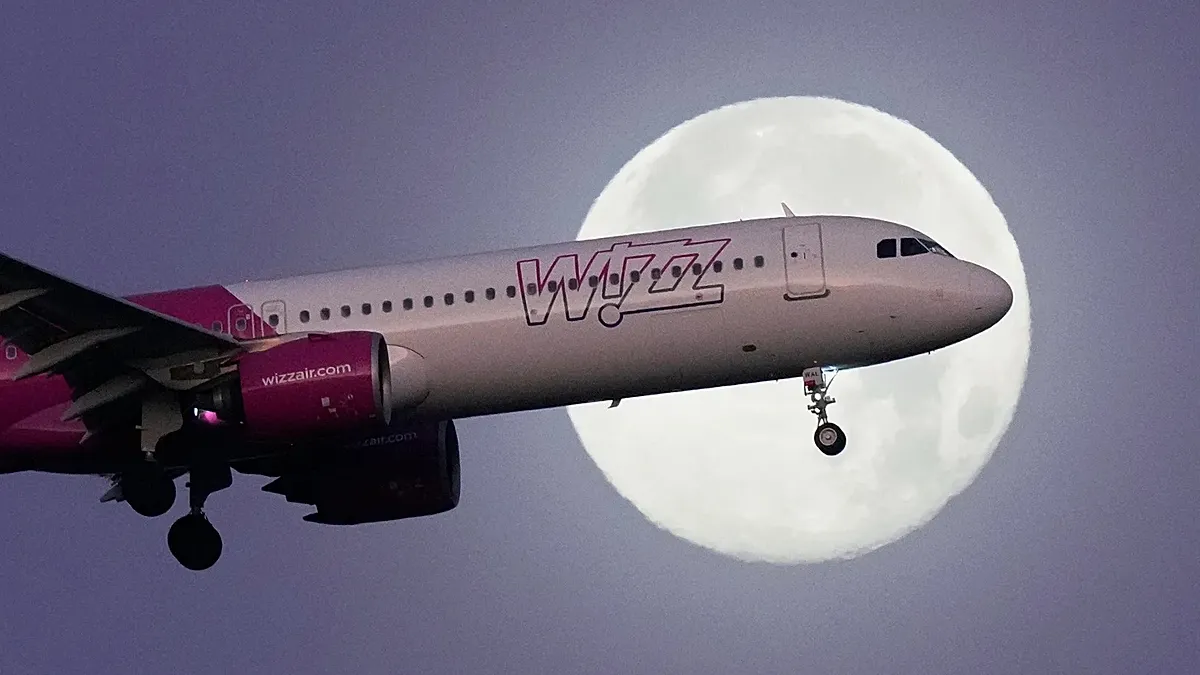
Wizz Air’s Satellite Internet Initiative
Poinews.com – Wizz Air has announced a groundbreaking partnership with Starlink to introduce satellite-based Wi-Fi across its entire fleet, marking a pivotal moment for the Hungarian budget airline. This deal, set to roll out in 2027, positions Wizz Air as a leader in adopting cutting-edge technology to enhance the passenger experience. Unlike many of its low-cost competitors, who have been hesitant to invest in satellite internet, Wizz Air is embracing the shift, aligning itself with the broader trend of European airlines integrating high-speed connectivity into their services. The move underscores a growing recognition of the importance of reliable in-flight internet in today’s digital-first travel environment.
Revolutionizing In-Flight Connectivity
The introduction of Starlink Wi-Fi on Wizz Air’s planes is expected to provide passengers with seamless, high-speed internet access during flights, even in remote regions where traditional ground-based networks are limited. This innovation comes at a time when travelers increasingly demand constant connectivity, whether for work, entertainment, or staying in touch with loved ones. Starlink’s satellite technology, which leverages a constellation of low-Earth orbit satellites, promises faster download speeds and lower latency compared to conventional in-flight systems. For Wizz Air, this partnership could be a game-changer, offering a competitive edge in an industry where customer expectations are constantly evolving.
Starlink’s Strategic Expansion in Aviation
Starlink’s collaboration with Wizz Air is part of a larger strategy to dominate the aviation connectivity market. The satellite internet provider has already partnered with major U.S. airlines like American, Southwest, United, and Alaska, as well as global carriers such as Singapore Airlines and Emirates. In Europe, companies like airBaltic, Air France, SAS, and British Airways have joined the initiative, with some offering Starlink services since early 2025. South Korea’s Hanjin Group, which manages Korean Air, Asiana Airlines, and three budget carriers, also announced its participation in December 2025, signaling a global push for satellite-based connectivity.
Wizz Air’s decision to integrate Starlink Wi-Fi ahead of its competitors highlights the airline’s forward-thinking approach. While Ryanair and EasyJet have delayed their plans, citing high installation costs and the impact on fuel efficiency, Wizz Air’s commitment to the technology could attract a new demographic of travelers—those prioritizing digital accessibility over price alone. This shift may also influence other budget airlines to reconsider their strategies, as the demand for in-flight internet continues to rise.
Challenges and Opportunities for Budget Airlines
The budget airline sector has long been cautious about investing in satellite internet due to concerns about operational costs and return on investment. However, the growing reliance on digital communication and the increasing use of mobile devices during flights are forcing airlines to adapt. Wizz Air’s partnership with Starlink is a bold step, potentially setting a new standard for connectivity in the low-cost market. Analysts suggest that this initiative could lead to higher passenger satisfaction, which in turn may justify the additional expenses for airlines.
While the initial rollout of Starlink Wi-Fi on Wizz Air’s planes is expected to be a milestone, the service’s success will depend on how well it integrates with the airline’s existing infrastructure. The technology requires specialized equipment, including satellite modems and onboard routers, which may pose challenges for smaller carriers. Nevertheless, Wizz Air’s proactive stance could serve as a blueprint for others, encouraging them to explore similar partnerships. The airline’s 2026 financial results, to be released on 11 June, will be closely watched to see if this investment contributes to profitability or a modest surplus.
As the aviation industry embraces satellite internet, the competition among budget airlines is intensifying. With Wizz Air and Eurowings taking the lead, other carriers like Ryanair and EasyJet are under pressure to catch up. The potential for Starlink to revolutionize in-flight connectivity is significant, but its implementation must balance technological innovation with cost efficiency. For Wizz Air, this partnership not only addresses a critical gap in service but also positions the airline as a pioneer in the low-cost segment, ready to meet the demands of a more connected passenger base.
In the coming years, the integration of satellite internet into budget airlines is likely to become more widespread. Wizz Air’s announcement of the Starlink Wi-Fi deal has already sparked discussions about the future of in-flight connectivity. As more airlines adopt this technology, the overall passenger experience is expected to improve, making long-haul and regional flights more appealing for digital-savvy travelers. This development could also impact the competitive dynamics of the market, as airlines strive to differentiate themselves through enhanced amenities and services.