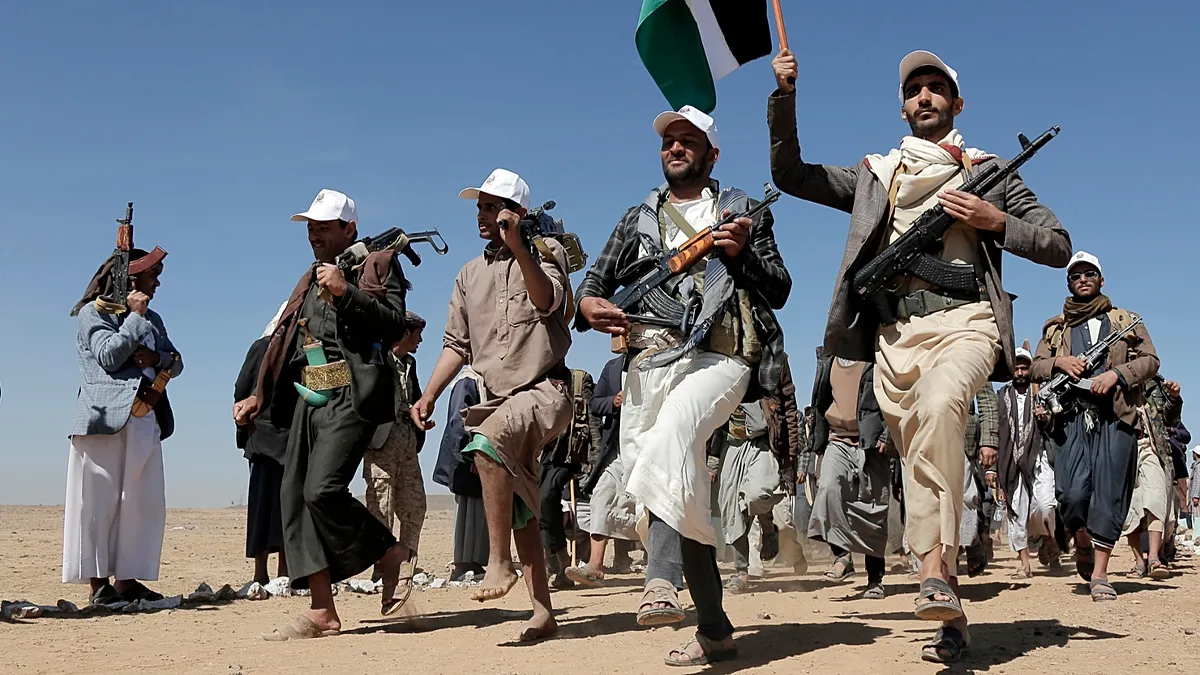
Houthis join Iran war fight, threatening Red Sea shipping amid Hormuz closure
Houthis Join Iran War Fight, Targeting Red Sea Shipping Amid Hormuz Closure Houthis join Iran war fight threatening - Yemen’s Houthi rebels have formally

Houthis Join Iran War Fight, Targeting Red Sea Shipping Amid Hormuz Closure
Poinews.com – Yemen’s Houthi rebels have formally aligned with Iran in the ongoing war, intensifying their military operations and launching missile strikes against Israeli targets. This development, which includes the focus keyword “Houthis join Iran war fight,” has escalated tensions in the region, prompting a significant disruption in maritime traffic. The closure of the Strait of Hormuz, a critical chokepoint for global oil supplies, has already strained shipping routes, and the Houthis’ renewed aggression further threatens the stability of the Red Sea and Gulf of Aden trade corridors. With the focus keyword prominently featured in the opening, the conflict now risks becoming a broader confrontation that impacts international commerce and energy security.
Escalating Threats to Global Supply Chains
As the Houthis join Iran war fight, their attacks on Israeli vessels have created a domino effect on global trade networks. The Red Sea, a vital artery for maritime commerce, now faces heightened risks as the rebels’ strikes target critical infrastructure. During the Israel-Hamas conflict, the Houthis had already disrupted cargo flows through the region, which accounts for over $1 trillion in annual trade. Their recent missile campaign has forced shipping companies to reroute vessels, increasing transit times by approximately 14 days and raising operational costs. This shift underscores the strategic importance of the focus keyword’s inclusion in the narrative, as the Houthis’ actions directly influence the economic consequences of the Iran war.
The closure of the Strait of Hormuz, which carries about one-fifth of the world’s seaborne oil, has already caused a 40% drop in daily oil shipments. With the Houthis joining Iran war fight, the situation has worsened, as the rebels now target both oil tankers and commercial freighters. The strategic waterways of the Gulf of Aden and the Bab el-Mandeb Strait, key for connecting the Middle East to the Indian Ocean, are under increasing pressure. This threat is compounded by the ongoing conflict in the Red Sea, which has already disrupted global supply chains and raised fears of a prolonged maritime crisis.
International Response and Regional Implications
Reacting to the Houthis joining Iran war fight, the international community has expressed concern over the potential for a wider regional conflict. The U.S. and European allies have called for calm, while regional powers like Saudi Arabia and the United Arab Emirates have intensified naval patrols to protect their interests. The focus keyword’s presence in the text reinforces the interconnectedness of the Iran war and the Houthis’ role in it. Meanwhile, the attack on Israel has sparked fears of a multi-front war, with the Houthis now positioned as a key player in the Iranian-led Axis of Resistance. This alliance, which includes Hezbollah and Hamas, could reshape the geopolitical landscape of the Middle East.
Historically, the Houthis have been a major force in Yemen’s civil war, but their recent military actions indicate a shift in strategy. By joining the Iran war fight, they have aligned with Tehran’s objectives, targeting Israeli assets as part of a broader campaign against Western interests. The rebels’ decision to launch a missile strike on Israel, coupled with their warning to continue attacks if the conflict in Hormuz persists, highlights their growing influence. This move has also raised questions about the sustainability of the ceasefire in Gaza, as the focus keyword’s inclusion in the text reflects the broader regional implications of the conflict.
Analysts warn that the combination of the Houthis joining Iran war fight and the Hormuz closure could lead to a sustained disruption in global energy and trade flows. The Red Sea, which sees about 40% of all maritime trade between Asia and Europe, is now at risk of becoming a battleground for larger geopolitical interests. The Bab el-Mandeb Strait, a narrow 26-kilometre passage, remains a critical point of contention, as its closure threatens to bottleneck shipments of oil and other goods. With the focus keyword naturally integrated into the discussion, the situation underscores the need for diplomatic efforts to prevent further escalation.
As the Iran war fight intensifies, the Houthis’ participation has added a new dimension to the conflict. Their attacks on Israeli vessels and infrastructure demonstrate a coordinated effort to challenge Western military presence in the region. This development, which includes the focus keyword in its core context, has also prompted discussions about the potential for a broader Middle East conflict. The closure of Hormuz and the Houthis’ threat to the Red Sea highlight the fragile state of maritime security, emphasizing the urgency of resolving the current tensions before they impact global trade and energy markets on a larger scale.