People’s photos are helping scientists record marine life in real-time in the Canary Islands
ary Islands Marine Life in Real Time People s photos are helping scientists - People's photos are helping scientists transform the way marine ecosystems are

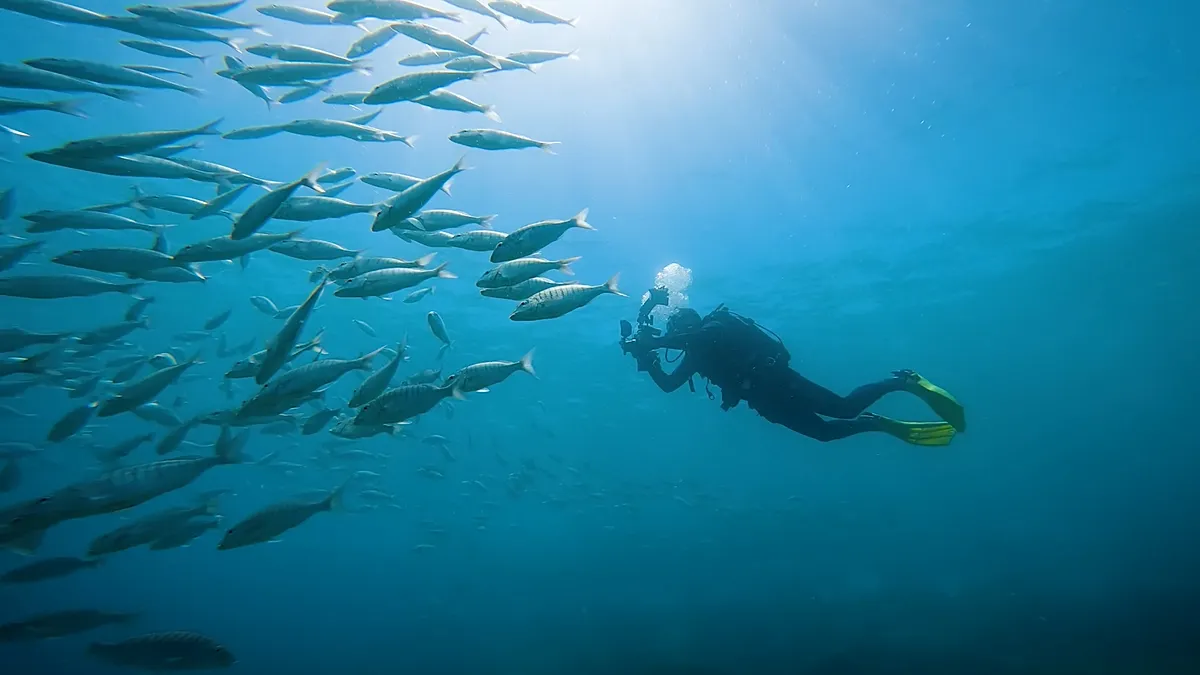
People’s Photos Help Scientists Monitor Canary Islands Marine Life in Real Time
Poinews.com – People’s photos are helping scientists transform the way marine ecosystems are studied, particularly in the Canary Islands. Through the RedPROMAR initiative, which has collected over 85,000 verified marine observations since its launch, the public has become a vital resource for documenting biodiversity in the Macaronesia region. This collaborative effort, often called the “Lucky Islands,” has cataloged more than 5,000 distinct species in the North Atlantic waters surrounding the archipelago. Among the contributors, Dennis Rabeling, a diving instructor at Euro-Divers Lanzarote, has uploaded thousands of images, leading to the discovery of three previously undocumented species. One of these, Gibberula Dennisi, was named in his honor, underscoring the significant impact of amateur contributions on scientific research.
The Power of Citizen Science in Marine Research
People’s photos are helping scientists by providing real-time data that traditional methods cannot easily capture. RedPROMAR, a citizen science project, empowers individuals to become active participants in marine biodiversity monitoring. As Rabeling explains, “By submitting your photos, you become an additional set of eyes in the ocean.” Each image uploaded contributes to a dynamic dataset, allowing researchers to track species populations and environmental changes with greater immediacy. This method has proven especially valuable in capturing rare or transient events, such as sudden migrations of marine life or unusual ecological phenomena, which are critical for understanding climate-driven shifts in ecosystems.
Real-time data collection through public participation has become a cornerstone of modern marine research. In the Canary Islands, this approach not only expands the scope of scientific inquiry but also engages local communities in conservation efforts. The platform encourages users to submit high-quality photos of underwater life, which are then analyzed by experts to identify new species or document behavioral patterns. This process fosters a unique synergy between science and the public, turning everyday observations into valuable insights that shape ecological studies and policy decisions.
Students and Educators Join the Effort
People’s photos are helping to bridge the gap between education and environmental science, as seen in the work of Juan Francisco Rodríguez García’s students at IES Yaiza. These young learners have used RedPROMAR to explore the Canary Islands’ coastal ecosystems, creating a podcast that discusses tropicalization trends and their ecological consequences. During field trips to Órzola on Lanzarote, students observed marine species firsthand, gaining a deeper appreciation for the region’s biodiversity. Aroa, one of the participants, shared, “I was unfamiliar with most of the organisms we encountered. For instance, the manatee releases a purple ink when threatened, which is fascinating to witness.” Such hands-on learning experiences highlight the educational value of citizen science in fostering environmental stewardship.
Engaging students in marine life monitoring through public contributions has created a ripple effect of awareness and action. Schools and universities across the Canary Islands are integrating RedPROMAR into their curricula, enabling young people to contribute to scientific databases while learning about ecological processes. This grassroots involvement not only enriches the data but also cultivates a generation of environmentally conscious citizens. By involving educators and students, the initiative ensures that marine research remains accessible and relevant to a broader audience, reinforcing the idea that people’s photos are helping to drive scientific progress in unexpected ways.
Tracking Invasive Species and Environmental Changes
People’s photos are helping scientists detect invasive species and monitor environmental changes that affect marine ecosystems. The RedPROMAR platform serves as an early warning system, allowing researchers to track the spread of non-native organisms and analyze shifts in biodiversity. Marc Martín Sola, a marine biologist at Gesplan and RedPROMAR technician, notes, “We often see spikes in reports during certain periods, which align with mass coastal arrivals of organisms.” In 2024 alone, over 100 sightings of invasive species were recorded within months, demonstrating the platform’s effectiveness in identifying ecological threats. These data points are essential for understanding how climate change and human activity impact marine populations.
By leveraging the collective efforts of the public, RedPROMAR enables scientists to study environmental changes at a scale that would be impossible with traditional methods. The Canary Islands, with their unique oceanic conditions, serve as a microcosm for broader global trends. People’s photos are helping to create a comprehensive record of marine life, which can be used to predict future ecological shifts and inform conservation strategies. This real-time data collection approach not only enhances the accuracy of scientific findings but also empowers individuals to take part in preserving their local environment.