Video. SpaceX Starship explodes in Indian Ocean after splashdown
an Ocean after splashdown SpaceX Starship explodes in Indian Ocean - On May 23, 2026, SpaceX conducted a high-profile test flight of its Starship V3 model

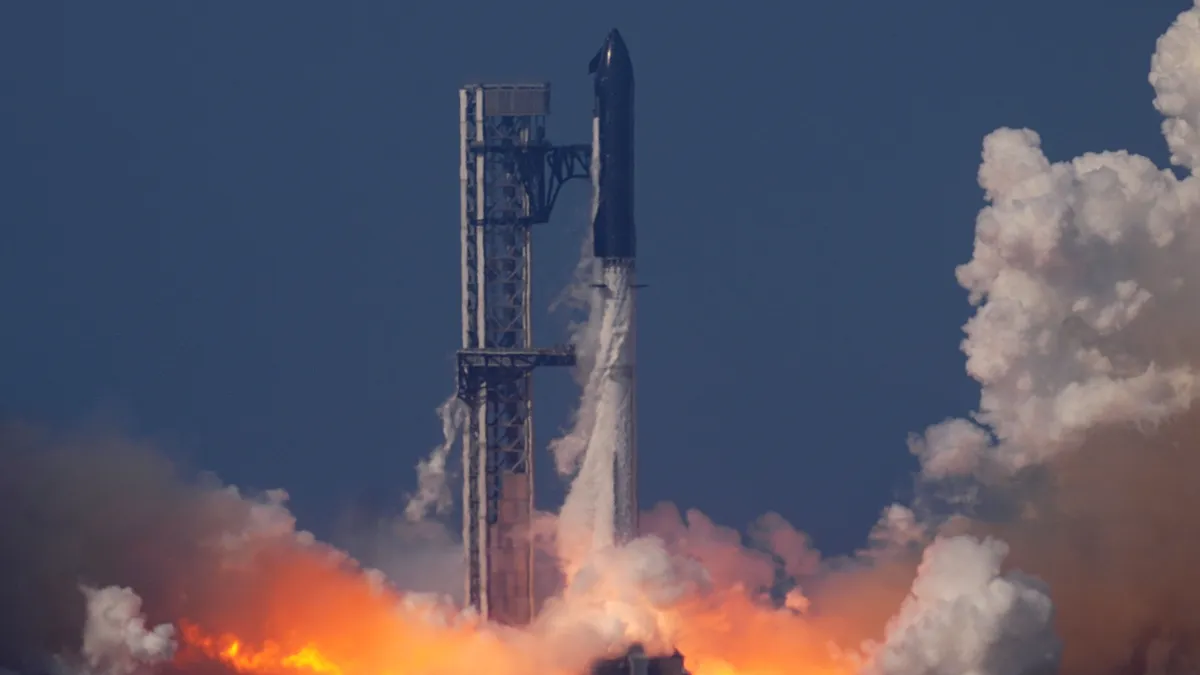
Video. SpaceX Starship explodes in Indian Ocean after splashdown
Poinews.com – On May 23, 2026, SpaceX conducted a high-profile test flight of its Starship V3 model, launching the vehicle from Starbase in Texas. The mission marked another critical phase in the development of the world’s most advanced rocket system, designed to revolutionize space travel. Despite the ambitious goals, the flight concluded dramatically with the Starship plummeting into the Indian Ocean, where it detonated shortly after landing. This outcome, according to SpaceX, was intentionally orchestrated as part of a controlled experiment to evaluate the spacecraft’s performance under real-world conditions.
Controlled Explosion as Part of the Test
The footage captured by the European news outlet showed the Starship descending into the ocean, its silhouette fading as it approached the surface. Moments after the splashdown, the vehicle exploded, a planned sequence to analyze the structural integrity and fuel systems during the final stages of the mission. “The explosion was a deliberate step to gather data on how the spacecraft behaves in the water,” stated a SpaceX spokesperson, emphasizing the company’s commitment to iterative testing. While the incident was not entirely unexpected, it raised questions about the reliability of the rocket’s landing mechanisms and the safety protocols in place for future launches.
“The explosion was a deliberate step to gather data on how the spacecraft behaves in the water,” said a SpaceX official, highlighting the importance of the test in refining the vehicle’s design.
Despite the explosive finale, the flight was deemed a success by the company. The approximately one-hour journey achieved key milestones, including the deployment of prototype Starlink satellites. These satellites, though not operational, were used to simulate the functionality of SpaceX’s orbital internet network. The test also provided valuable insights into the spacecraft’s reusability, a central focus of the program. However, the mission was not without challenges. Both stages of the rocket suffered engine failures, which SpaceX engineers are now investigating to prevent similar issues in upcoming tests.
Technical Challenges and Mission Objectives
The launch faced a minor setback just days prior, as a hydraulic problem at the launch tower caused a one-day delay. Once resolved, the rocket took flight, reaching the desired altitude and speed before beginning its descent. The Starship’s ability to navigate these stages, even with technical hiccups, underscores its adaptability. Yet, the explosion in the Indian Ocean revealed vulnerabilities in the system, particularly during the final moments of landing. Engineers are analyzing the cause of the detonation, which could be attributed to fuel leakage, structural stress, or a combination of factors.
SpaceX’s Starship program has long been a focal point of the company’s vision for interplanetary exploration. Designed to carry humans and cargo to Mars, the vehicle is a testament to the ambitious scale of space travel goals. This particular test, while shorter than previous missions, aimed to validate specific components of the system, such as the heat shield and landing thrusters. The data collected from the explosion will inform future iterations, helping to improve the spacecraft’s safety and efficiency.
Public Reaction and Broader Implications
Thousands of spectators in Texas gathered to witness the launch, their excitement palpable as the rocket ascended into the sky. The crowd’s cheers echoed the enthusiasm surrounding SpaceX’s progress in space exploration. However, the explosion in the Indian Ocean sparked mixed reactions online. Some praised the company for its daring approach, while others expressed concerns about the risks involved. “It’s a reminder of the complexity of space travel,” noted an aerospace analyst, “but it’s also a step closer to making reusable rockets the norm.”
The incident highlights the challenges of developing a fully reusable spacecraft. While the Starship has successfully completed several test flights, each one brings new lessons. The explosion, though dramatic, was part of a broader strategy to test the vehicle’s robustness. SpaceX has emphasized that such failures are essential for innovation, allowing the team to address issues before full-scale launches. The company’s long-term plans include using Starship for lunar missions and eventual Mars colonization, making every test flight a critical component of its roadmap.
The test also provided an opportunity to assess the Starship’s aerodynamic design and its ability to withstand extreme temperatures. During reentry, the spacecraft faced intense heat, which could affect its structural components. The explosion in the Indian Ocean was a stark visual of the stresses endured, offering real-time feedback on the materials and engineering solutions. Despite the setback, the mission’s success in achieving most of its objectives suggests that the Starship is nearing operational readiness.
Looking Ahead: The Future of Starship Testing
SpaceX plans to continue refining the Starship system, with upcoming tests focusing on full-scale reusability and longer-duration flights. The current version, Starship V3, incorporates improvements from earlier prototypes, including enhanced propulsion systems and improved landing technology. However, the explosion in the Indian Ocean serves as a cautionary tale, reminding engineers that even the most advanced systems require rigorous testing.
Analysts have pointed out that the incident could accelerate the development of emergency protocols for future launches. “This test has given us a clearer picture of what needs to be fixed,” said a propulsion engineer. “We’re already working on modifications to prevent similar outcomes.” The company’s transparency in sharing the footage and details of the explosion has also bolstered public trust, demonstrating its dedication to pushing the boundaries of space exploration while maintaining accountability.
While the explosion in the Indian Ocean may have been a shock, it is part of the learning process that defines SpaceX’s approach. The mission’s success in meeting most of its goals, combined with the insights gained from the incident, positions the Starship as a vital asset in the race to achieve sustainable space travel. As the company moves forward, it remains focused on overcoming technical obstacles and delivering a vehicle that can carry humanity