Video. Toronto choked by wildfire smoke, records world’s worst air quality
rds World's Worst Air Quality Toronto choked by wildfire smoke records - Toronto choked by wildfire smoke has become a stark example of how distant

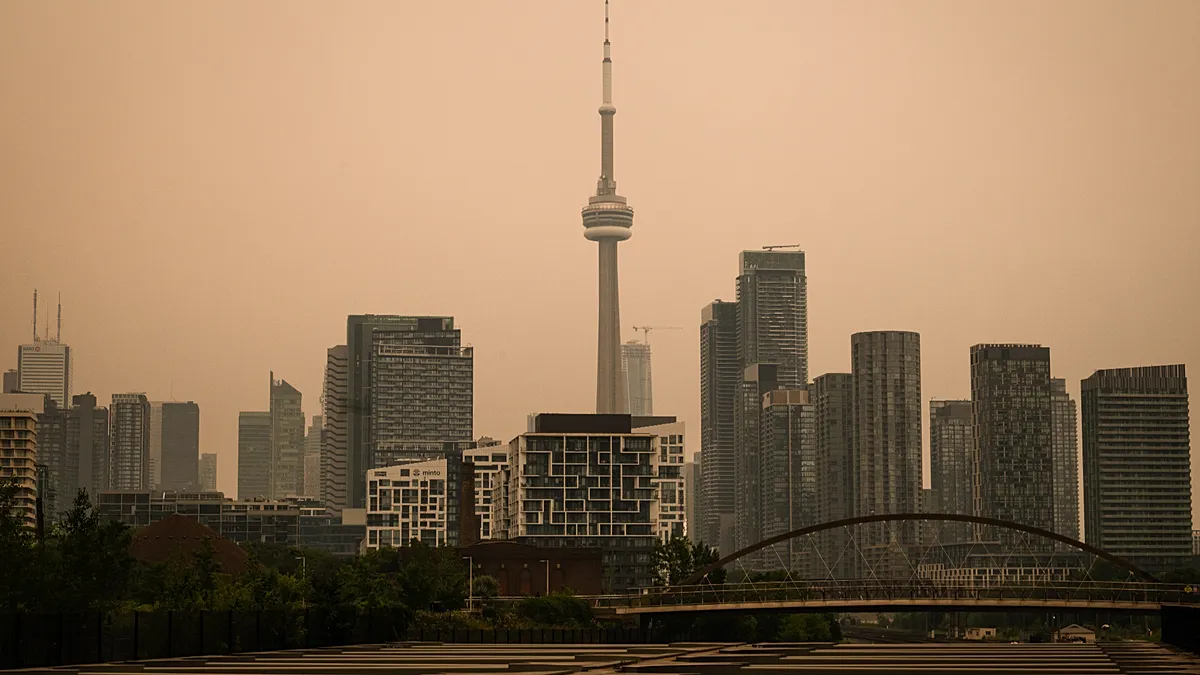
Video: Toronto Choked by Wildfire Smoke, Records World’s Worst Air Quality
Poinews.com – Toronto choked by wildfire smoke has become a stark example of how distant environmental events can directly impact urban areas. The city’s air quality index (AQI) reached unprecedented levels, surpassing the global standard for “extreme” pollution. The thick haze, caused by smoke from wildfires in northwestern Ontario, blanketed Toronto for days, forcing residents to adapt to a surreal atmosphere. With temperatures climbing to 33°C on July 15, the combination of heat and smoke created a dual threat to public health, prompting urgent warnings from local authorities.
The Health Crisis: A City Breathing in Danger
As the smoky conditions persisted, health officials issued severe advisories, urging Torontonians to minimize outdoor exposure. The air quality reached a record-breaking level, with fine particulate matter (PM2.5) levels soaring to the highest ever recorded. “The exposure to this smoke is like passive smoking, with fine particles containing a mix of harmful chemicals that can harm anyone, regardless of age or health,” said Howard Shapiro, Toronto’s Associate Medical Officer of Health. This quote underscores the severity of the situation, as the smoke infiltrated homes, schools, and workplaces, making it difficult to distinguish between natural air and toxic pollutants.
Residents began reporting symptoms such as coughing, throat irritation, and difficulty breathing, particularly among those with preexisting respiratory conditions. The city’s emergency services saw an uptick in calls related to asthma attacks and other breathing difficulties. Schools in the area were closed temporarily, and outdoor events were canceled to protect vulnerable populations. Environment Canada’s forecast highlighted that the smoky conditions would not dissipate until Friday, leaving the city in a prolonged state of hazardous air quality.
Environmental Factors: Wildfires and Climate Change
The wildfires that triggered the smoke crisis originated in northwestern Ontario, where over 148 active fires were burning at the time. These blazes, fueled by prolonged drought and high temperatures, released vast quantities of smoke into the atmosphere, which traveled hundreds of kilometers to reach Toronto. The event is part of a growing pattern of extreme weather events linked to climate change, with increased frequency and intensity of wildfires affecting regions far beyond their origin.
Scientists have noted that rising global temperatures are creating more favorable conditions for wildfires, which in turn contribute to air pollution and climate feedback loops. The smoke from these fires contains not only carbon dioxide but also harmful particulates and toxins, which can have long-term health effects. In Toronto, the AQI levels were so high that they exceeded those of other major cities like Beijing or Delhi, marking a record for the world’s worst air quality. This unprecedented situation has raised concerns about the interconnectedness of global environmental challenges.
Authorities also emphasized the role of wind patterns in exacerbating the crisis, as the smoke was carried eastward by prevailing weather systems. The city’s air quality remained a topic of discussion in both local and international media, drawing attention to the vulnerability of urban centers to rural environmental disasters. As the haze lingered, experts called for immediate action to reduce emissions and improve air quality, while residents adjusted their routines to cope with the crisis.
The incident serves as a reminder of the far-reaching consequences of wildfires. While Toronto faced the brunt of the pollution, neighboring regions like Quebec and the Ottawa Valley also experienced deteriorating air quality. This regional impact highlights the need for coordinated efforts to monitor and mitigate the effects of transboundary pollution. Health officials continue to urge Torontonians to stay indoors, use air purifiers, and monitor real-time AQI updates to protect themselves from the harmful effects of the smoke.
As the situation evolves, the focus remains on ensuring public safety and addressing the root causes of the wildfire outbreak. The record-breaking air quality in Toronto has sparked debates about climate resilience and the importance of environmental policies in preventing such crises. While the immediate threat may ease by Friday, the event underscores the growing risks posed by extreme weather and the urgent need for proactive measures to safeguard urban populations from the impacts of natural disasters.