FIFA settles long-running €65m legal dispute with Lassana Diarra, no compensation paid
FIFA settles long running 65m legal dispute with Lassana Diarra, no compensation paid A Major Legal Resolution FIFA settles long running 65m legal - FIFA has

FIFA settles long running 65m legal dispute with Lassana Diarra, no compensation paid
A Major Legal Resolution
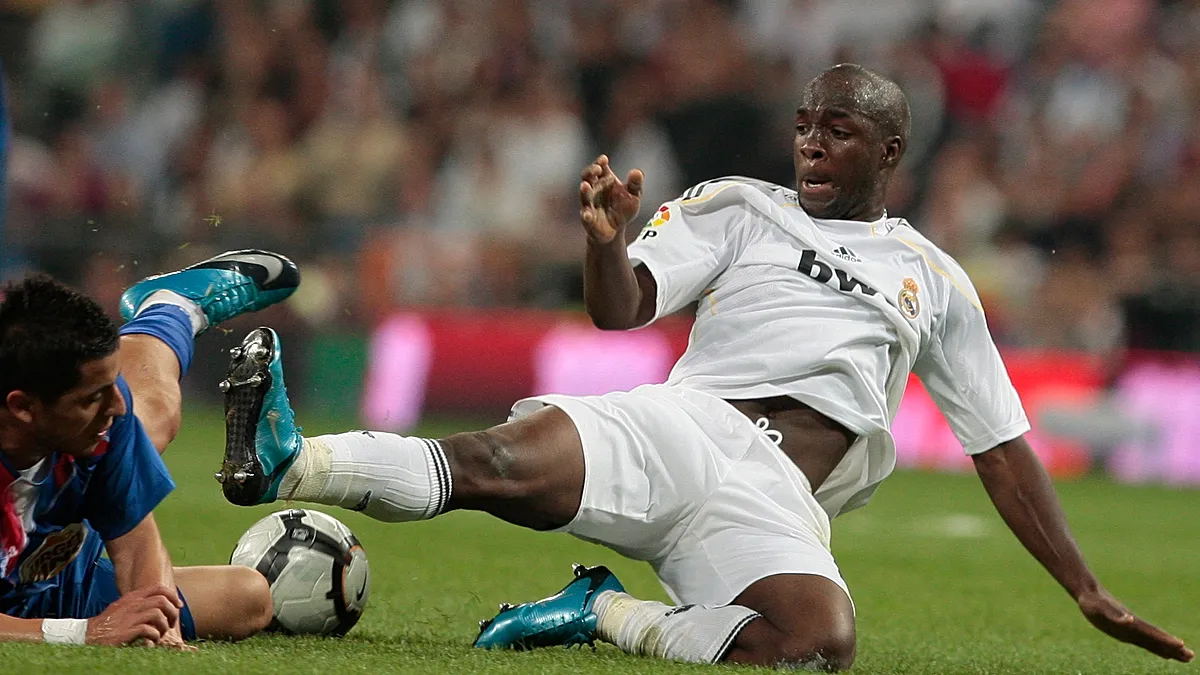
Poinews.com – FIFA has finally resolved a long-running €65 million legal dispute involving former French footballer Lassana Diarra, ending a protracted battle without any financial compensation being awarded to the player. The agreement, reached after years of litigation, signifies a significant milestone in the organization’s legal dealings with European clubs and athletes. Diarra, who played for several top-tier teams including Paris Saint-Germain and Lokomotiv Moscow, had contested FIFA’s transfer regulations, which he argued imposed unfair restrictions on his career trajectory. This case has since become emblematic of broader debates about the role of FIFA in governing international football contracts.
FIFA confirmed in a statement that the resolution of the €65m legal case has “finalized all outstanding legal issues between the parties.” The organization emphasized that the settlement was mutually agreed upon, with no compensation distributed to Diarra despite the extensive legal proceedings. “This agreement ensures clarity for both the club and the player, while upholding FIFA’s regulatory framework,” the statement added, highlighting the organization’s commitment to maintaining standards in the global football market.
Origins of the Dispute
The legal conflict began in 2014 when Diarra left Russian club Lokomotiv Moscow after a disagreement over his contractual obligations. The club claimed that Diarra had breached his agreement by leaving without proper notice, seeking damages of €20 million initially. This amount was later revised to €10.5 million, reflecting the evolving nature of the case. The dispute escalated when Belgian club Charleroi opted not to sign Diarra, fearing potential financial liabilities under FIFA’s transfer rules. This decision underscored the broader implications of the case for clubs across Europe, as it forced them to reconsider their contractual strategies in light of FIFA’s stringent regulations.
The case gained international attention due to the high stakes involved and the complex legal arguments presented by both parties. Diarra’s legal team argued that FIFA’s rules were overly burdensome, citing examples of how they had previously affected other players. Meanwhile, FIFA defended its position, stating that the regulations were necessary to ensure fairness in the transfer market and prevent financial imbalances between clubs. The protracted legal battle not only tested the boundaries of football law but also raised questions about the rights of players versus the authority of governing bodies.
The CJEU Ruling and Regulatory Shift
In October 2024, the Court of Justice of the European Union (CJEU) delivered a landmark ruling that impacted FIFA’s transfer regulations. The court found that the rules had imposed “considerable legal risks” on clubs and players, effectively limiting their freedom of movement within the EU. This decision came after years of legal challenges from players and unions, who argued that FIFA’s framework was too rigid and favored clubs over individual athletes. The CJEU’s ruling forced FIFA to revise its regulations, introducing temporary measures to address compensation claims and the burden of proof in contractual disputes.
Following the CJEU’s judgment, FIFA updated its transfer framework to better align with European legal standards. The changes included provisions that made it easier for clubs to claim compensation from players who breached contracts, while also granting players more clarity on their rights. This case, involving Diarra, became a catalyst for these reforms, demonstrating how legal pressure from European courts could influence FIFA’s policies. The resolution of the €65m dispute now serves as a reference point for similar cases, as clubs and players navigate the new regulatory landscape.
Aftermath and Broader Implications
The settlement of Diarra’s €65m legal dispute has had ripple effects across the football world. Clubs are now more cautious in their contractual agreements, aware of the potential for lengthy legal battles. Meanwhile, players have gained a renewed sense of leverage, using the case as a precedent to challenge unfair terms in their contracts. Analysts have pointed out that while the resolution may have been favorable for FIFA, it also highlights the need for a more balanced approach to transfer regulations in the future.
Legal experts have noted that this case exemplifies the complexities of international football law. The absence of compensation for Diarra, despite