Le Havre: 38,000 fake trainers destroyed after 15-year court case
feit Trainers Destroyed After 15-Year Legal Battle Le Havre - On June 3, a significant operation took place at Le Havre’s port, where a large number of

Le Havre: 38,000 Counterfeit Trainers Destroyed After 15-Year Legal Battle
Poinews.com – On June 3, a significant operation took place at Le Havre’s port, where a large number of counterfeit shoes were systematically dismantled. The items, originally imported from China in 2011, had been stored in a confidential location for over a decade before their final disposal. This event marked the conclusion of a lengthy legal process that involved customs officials and led to a decisive outcome.
The Prolonged Legal Battle
A French importer was ultimately sentenced in December 2025 to a customs fine of 1.56 million euros and an additional 260,000 euros for laundering money related to customs violations. The verdict also included a three-year prison term, with two years suspended. This ruling allowed customs officers to clear the warehouse and move forward with a long-awaited resolution.
“Counterfeiting is a real problem, a real scourge,” said Anthony, a customs officer stationed at the port. “Any product can be replicated, from luxury goods to everyday items like soaps and shampoos. Toys, in particular, are highly vulnerable, as they can be duplicated almost instantly.”
Le Havre’s Role in the Counterfeit Trade
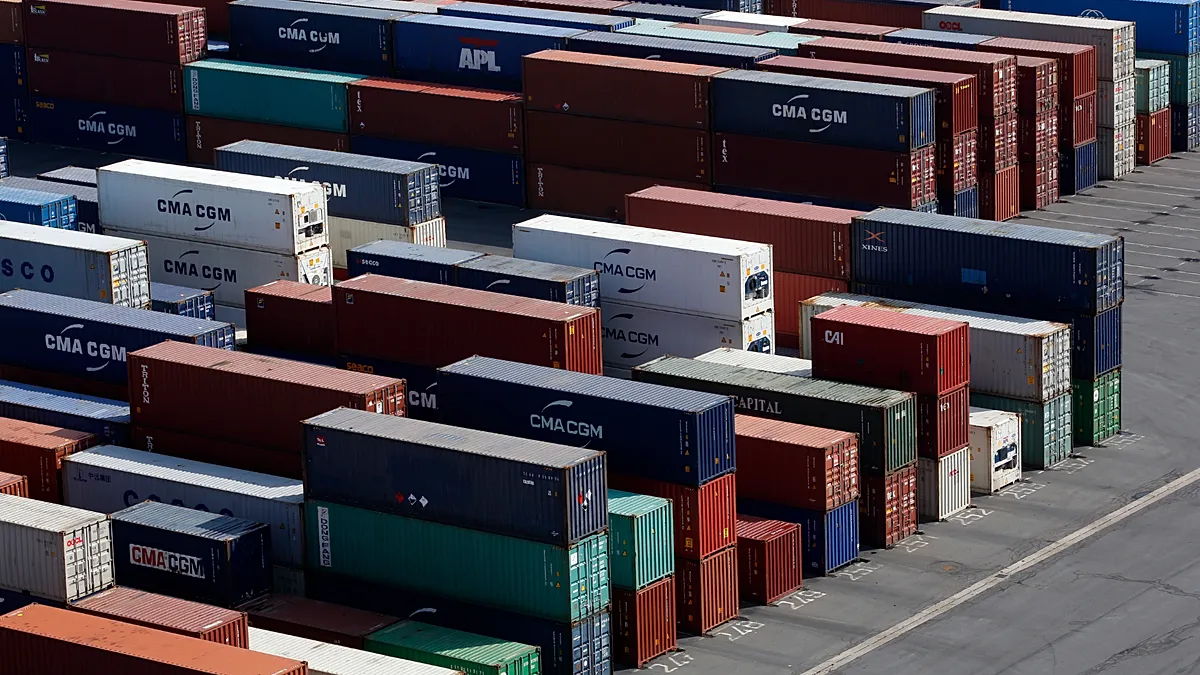
As France’s primary container port, Le Havre frequently encounters seizures of counterfeit goods. The range of fake products includes shoes, clothing, toys, technology items, and even automotive components. These illicit goods are often sold at a premium, making the counterfeit market a highly profitable venture.
Last year alone, over 20 million counterfeit items were confiscated across the country, with nearly 1.2 million intercepted in Le Havre. This surge in illegal production has attracted more organized criminal groups, further complicating enforcement efforts.
Environmental Impact of the Destruction
Once seized, counterfeit goods are typically destroyed to prevent them from re-entering the market. The process involves crushing the shoes with heavy machinery before feeding them into a shredder. The resulting waste is then either incinerated or repurposed.
Stéphane Peterson, regional director at UNIFER Environnement, noted that the final residue from this destruction can be recycled or converted into solid fuel. In some cases, the shredded material is used as a high-calorific energy source for cement plants. This unexpected end for the shoes highlights the intersection of legal and environmental challenges in combating fake products.