UK to remove 5% tax on electricity bills as Burnham holds first cabinet meeting
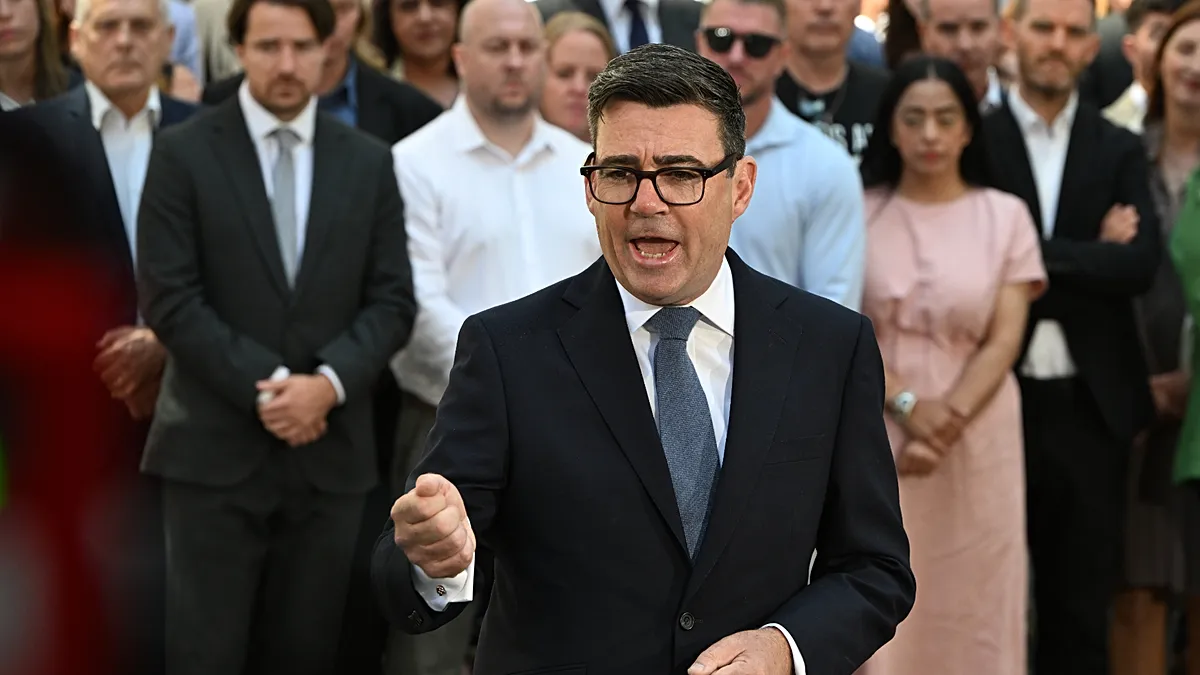
Andy Burnham has officially begun his tenure as UK prime minister, marking a significant moment for British politics. In his first full day in office, Burnham

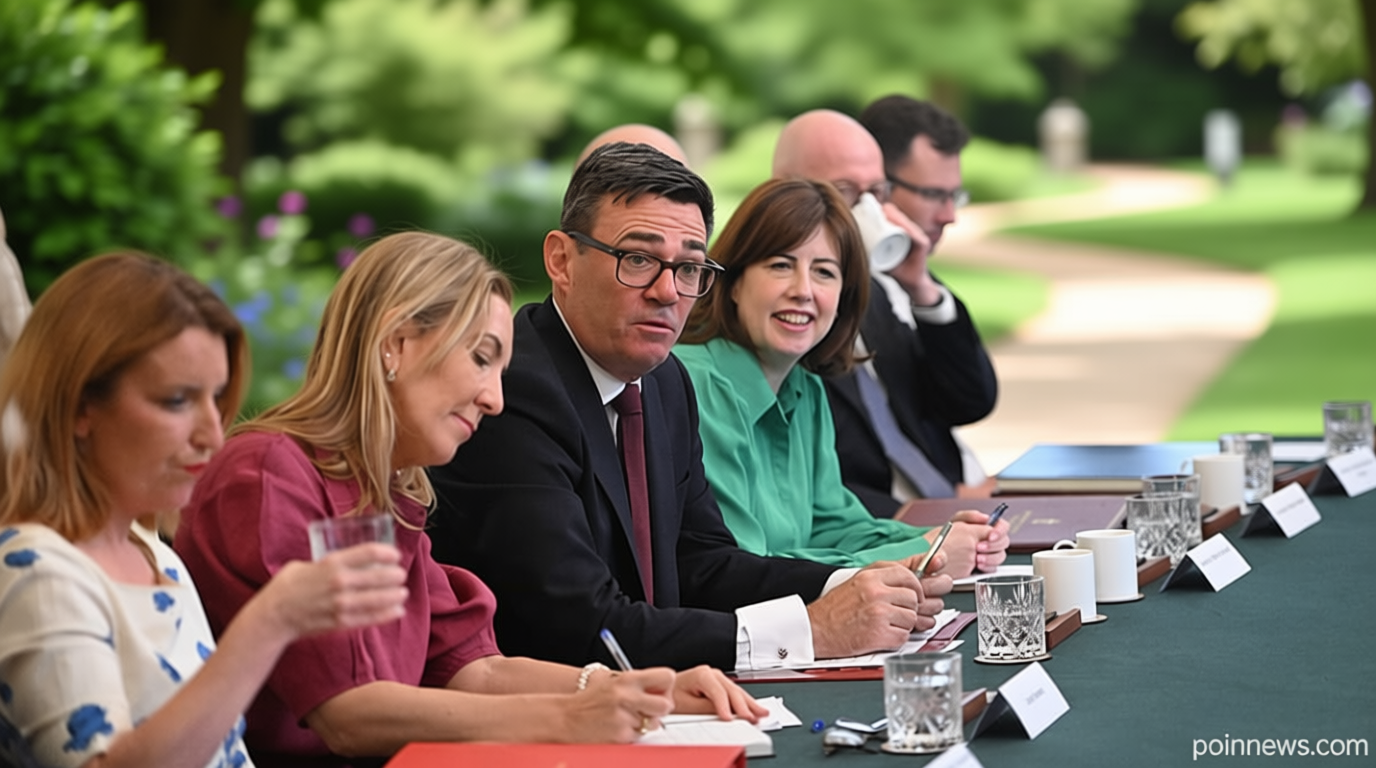
Table of Contents
UK to remove 5 tax on electricity: emove 5 Tax on Electricity Bills: Burnham's First Cabinet Moves Poinews.com – Andy Burnham has officially begun his
UK to Remove 5 Tax on Electricity Bills: Burnham’s First Cabinet Moves
Poinews.com – Andy Burnham has officially begun his tenure as UK prime minister, marking a significant moment for British politics. In his first full day in office, Burnham announced that the UK to remove 5 tax on electricity bills, a move designed to provide immediate relief to households struggling with rising energy costs. This policy change represents one of the most visible actions of the new administration, which has already begun reshaping Labour’s approach to governance. The value-added tax (VAT) reduction on domestic electricity will take effect from 1 October, offering the average household savings of approximately £45 (€52.73) annually. According to AFP estimates, this initiative will require the government to invest around £850 million (€996m) during the current financial year.
Funding the Energy Tax Cut
The financial mechanism behind this decision has generated considerable discussion. Burnham explained the rationale clearly:
“We’re taking immediate action to cut taxes on energy bills, put more money in people’s pockets and bring back hope.”
The government positioned the tax reduction as part of a broader strategy to reverse austerity measures and stimulate economic growth. To fund the electricity tax cut, ministers announced they would scrap the previous administration’s proposed digital ID scheme. Officials claimed this programme would have burdened taxpayers with £1.8 billion in costs. However, the funding narrative faced scrutiny from Darren Jones, a former advisor to Keir Starmer, who challenged the government’s position. Jones argued that the ID programme had already been “unfunded” and urged ministers to clarify how they would address the resulting shortfall in tax revenue during the autumn budget.
Cabinet Reshuffle Signals New Direction
Burnham’s first cabinet meeting at Downing Street followed his replacement of Starmer on Monday. His ascent to the premiership came after a significant revolt by Labour MPs who sought leadership change. During this reshuffle, Burnham demonstrated his intent to consolidate power by removing several ministers closely tied to Starmer while promoting loyal allies. The most consequential appointment saw John Healey return to government as finance minister, replacing Rachel Reeves as chancellor. Healey had previously resigned under Starmer’s leadership, making his comeback particularly symbolic of the new era.
Additional appointments reflected Burnham’s priorities. Wes Streeting transitioned from health minister to defence secretary after abandoning his own leadership bid and endorsing Burnham. Ed Miliband, the former energy secretary, took on the role of foreign secretary. Shabana Mahmood maintained her position as home secretary, continuing to shape the government’s migration strategy. Angela Rayner returned to the cabinet as housing minister following her resignation when she violated the ministerial code by failing to pay appropriate tax on a property purchase. These personnel changes signal Burnham’s commitment to implementing policies aligned with his vision for Britain.
Domestic and International Challenges Ahead
Beyond cabinet appointments, Burnham outlined an ambitious agenda addressing multiple crises. The UK to remove 5 tax on electricity represents just one element of a comprehensive plan that includes exploring rent controls and implementing bus fare caps. Central to this strategy is a 10-year plan focused on reindustrialising Britain, expanding public housing stock, and devolving greater authority from London to regional areas. These initiatives aim to address long-standing economic imbalances and improve living standards across the country.
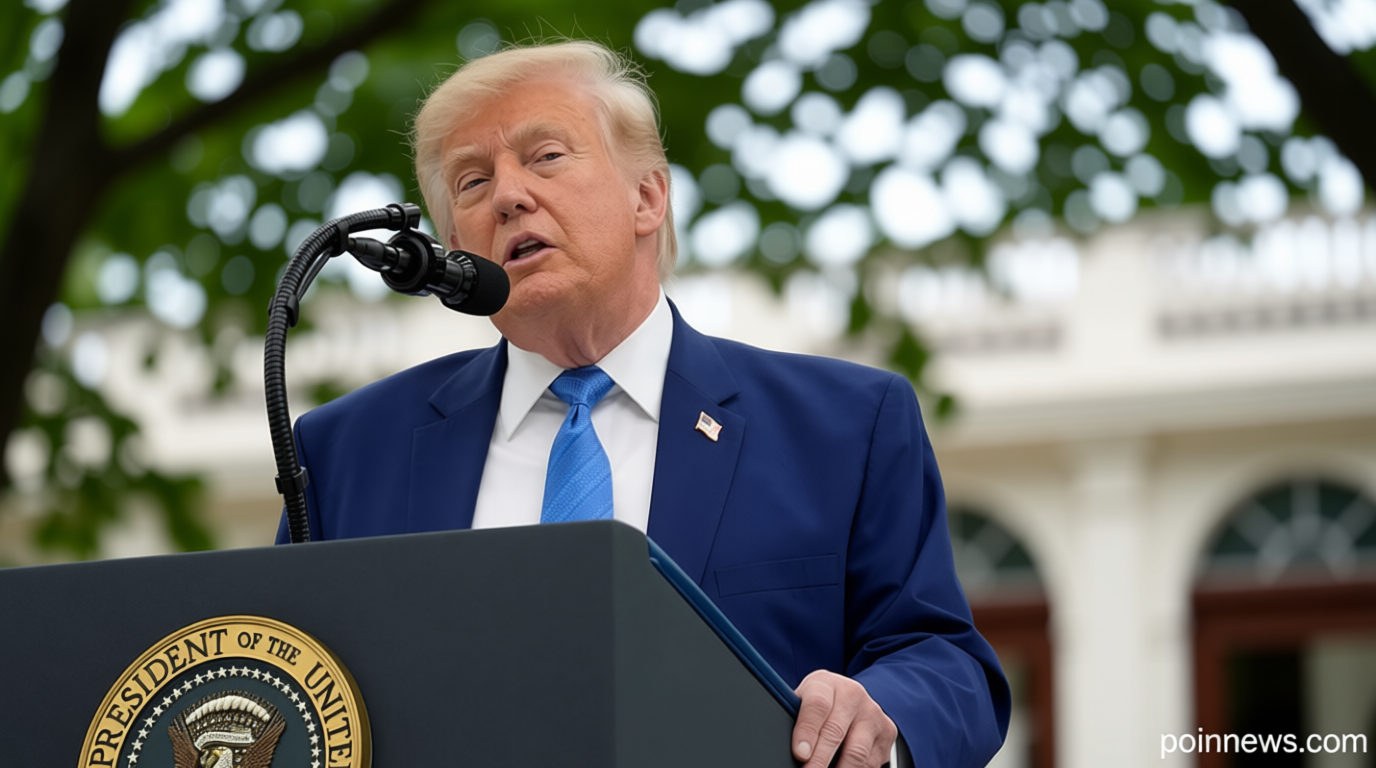
Internationally, Burnham has already begun establishing relationships with key global leaders. He held telephone conversations with US President Donald Trump, Ukrainian President Volodymyr Zelenskyy, and French President Emmanuel Macron. These diplomatic engagements come as the UK faces mounting pressures including slowing economic growth, elevated borrowing costs, and ongoing migration challenges. With the next general election scheduled for no later than 2029, Burnham must navigate these domestic and international issues while maintaining political stability within his party and government.
Related SEO Topics
- Home
- Artikel terkait UK to remove 5 tax on electricity
- Brussels prepares first digital rulebook fine against Google, risking Trump’s ire: media reports
- Messi’s strange pre-final video puzzles World Cup fans
- Video. Wildfire spreads in southeastern France as firefighters battle blaze
- Spain moves to ban smoking on terraces and beaches under new anti-tobacco law
Frequently Asked Questions
What is UK to remove 5 tax on electricity?
UK to remove 5 tax on electricity is the main topic covered in this article, with practical context to help readers understand the subject clearly.
Why does UK to remove 5 tax on electricity matter?
UK to remove 5 tax on electricity matters because it helps readers compare options, avoid common mistakes, and make a more informed decision.
How should readers use this UK to remove 5 tax on electricity guide?
Use the key points, examples, and related links in this page as a starting point, then review the latest details before making a final decision.