Invasive snakes at German landfill: hunt for green whip snake
The presence of invasive snakes at German landfill sites has become a significant ecological concern for wildlife experts and local authorities. Several

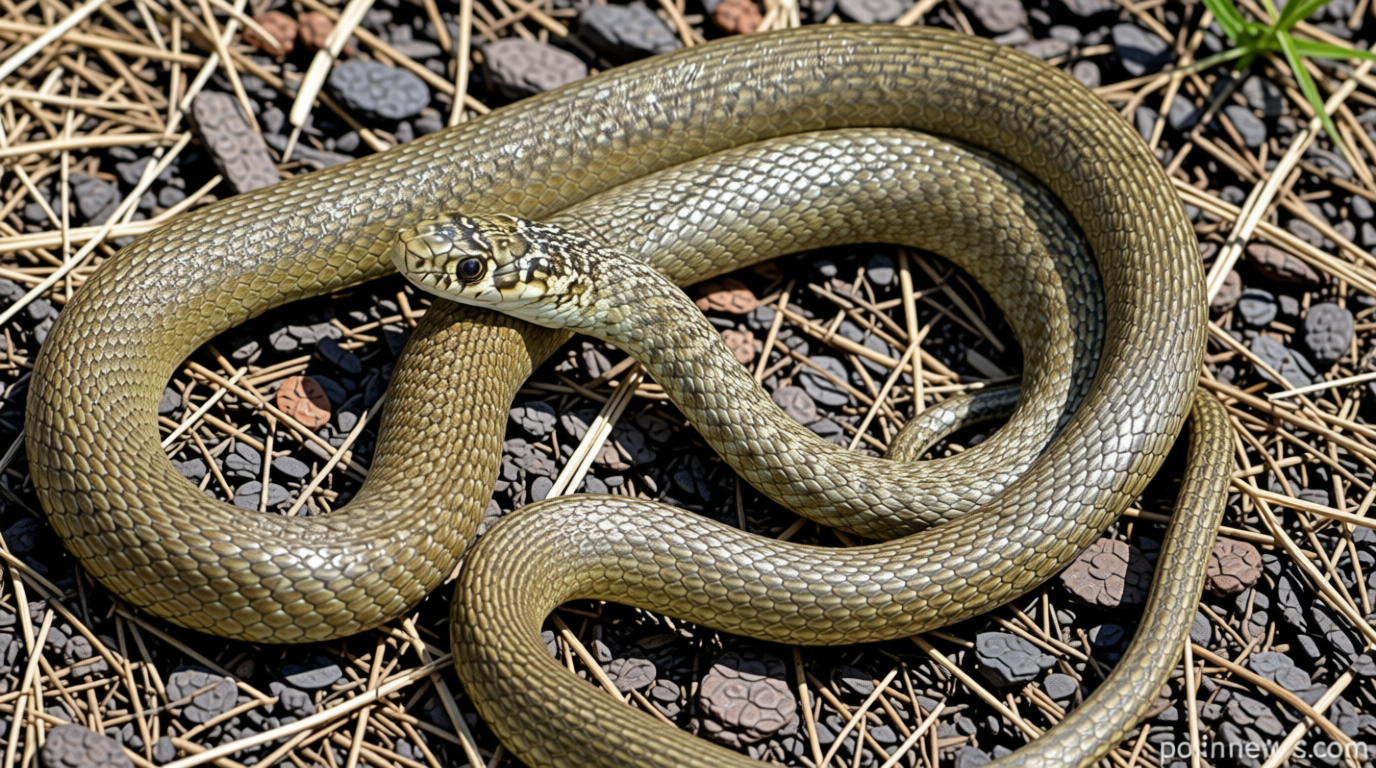
Table of Contents
ll: A Growing Conservation Challenge Poinews.com – The presence of invasive snakes at German landfill sites has become a significant ecological concern
Invasive Snakes at German Landfill: A Growing Conservation Challenge
Poinews.com – The presence of invasive snakes at German landfill sites has become a significant ecological concern for wildlife experts and local authorities. Several hundred of these reptiles have successfully established colonies at a waste disposal facility near Saarbrücken, leading conservationists to initiate an extensive tracking and monitoring campaign. The green-yellow Coluber viridiflavus, commonly referred to as Zornnatter in German, has discovered an optimal living environment beneath roofing materials that absorb and retain heat from sunlight. These southern European arrivals came to Germany approximately nine years ago, most likely transported within domestic refuse that included a pregnant female who went on to reproduce extensively in her new habitat.
Expert Dedication to Capturing and Monitoring
Hubert Laufer, a renowned amphibian and reptile conservationist, has dedicated years to studying these creatures throughout Germany. His specialized cloth collection bag has contained over three hundred specimens collected from the Zweibrücken dump, which lies approximately forty kilometers from Saarbrücken. Throughout his extensive fieldwork, the specialist has personally endured numerous snake bites, yet continues his vital conservation efforts without hesitation.
“When you catch a Zornnatter, it will try to bite the person capturing it. But if the snakes can escape, they do. If you leave them alone, they do not do anything,” the expert explains to Euronews.
Laufer characterizes the experience of being bitten by these reptiles as similar to brushing against a blackberry bush, resulting in minor scratches rather than severe injuries. As a result, they represent minimal danger to human safety despite their defensive behavior when threatened.
Ecological Consequences and Community Response
Although numerous animal welfare advocates interpret the snakes’ establishment as a sign of environmental health, Laufer highlights their negative impact on indigenous wildlife populations. These reptiles primarily feed on lizards, which have grown increasingly rare at the landfill, although they will consume mice and young rats when lizards are unavailable.
“There are hardly any lizards left on the landfill site. If there is nothing else, they eat mice or young rats. But lizards are their favourite prey,” states Hubert Laufer.
The invasive snakes at German landfill location threaten biodiversity in manners comparable to how pufferfish displace native Mediterranean fish populations. Artenschutz Franken, a prominent German biodiversity preservation organization, has recorded many instances of these well-camouflaged reptiles being hit by vehicles on nearby roads, calling for improved protective measures for both the snakes and local traffic.
How Citizens Can Help Track the Species
The Umwelt- und Servicebetrieb Zweibrücken, responsible for managing the Mörsbach landfill, works together with Laufer to encourage local residents to report any potential sightings. This year alone, approximately twenty-five reports have been submitted, though not every report involves the invasive species. Native grass snakes and other indigenous reptiles are also being documented by concerned citizens.
“But not all of them are Zornnattern. Other native species have also been reported. We would prefer to receive records of grass snakes as well rather than have a Zornnatter go unreported.”
Laufer accepts documentation through various communication methods: email at laufer@bfl-laufer.de, telephone at 0175 9983307, or WhatsApp messaging. Photographs transmitted via mobile phone have proven most successful for accurate identification. Once captured, the snakes are relocated to qualified individuals who can provide appropriate housing while preventing them from depleting local reptile populations.
In acknowledgment of his exceptional contributions, the BUND Baden-Württemberg awarded Laufer the Gerhard Thielcke Nature Conservation Prize in 2025. Anyone in Germany who suspects they have observed a Zornnatter should contact either the UBZ through their official online portal or reach out directly to the reptile specialist. The ongoing effort to manage invasive snakes at German landfill sites demonstrates the importance of community involvement in protecting ecological balance.
Related SEO Topics
- Home
- Artikel terkait Invasive snakes at German landfill
- Lebanese army begins deployment to southern regions after Israel deal
- Iran vows to bomb own land as fears grow over Kuwait incursion
- Four drone strikes in four days hit tankers carrying Kazakhstan’s oil
- Middle East flights: Air France suspends routes to Riyadh, Dubai and Beirut
Frequently Asked Questions
What is Invasive snakes at German landfill?
Invasive snakes at German landfill is the main topic covered in this article, with practical context to help readers understand the subject clearly.
Why does Invasive snakes at German landfill matter?
Invasive snakes at German landfill matters because it helps readers compare options, avoid common mistakes, and make a more informed decision.
How should readers use this Invasive snakes at German landfill guide?
Use the key points, examples, and related links in this page as a starting point, then review the latest details before making a final decision.