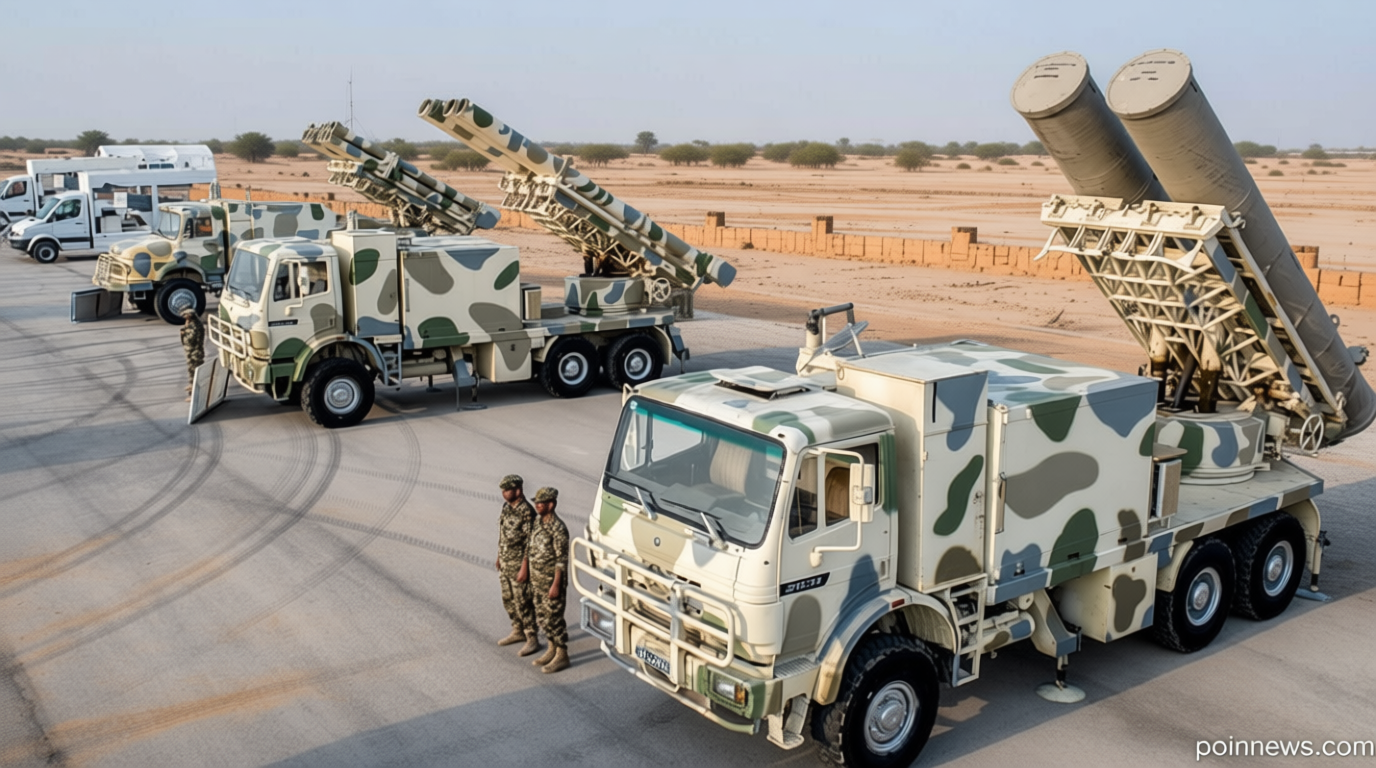
Iran recloses Strait of Hormuz, citing Israeli strikes on Lebanon
Iran Recloses Strait of Hormuz, Citing Israeli Strikes on Lebanon Iran recloses Strait of Hormuz citing - Iran has once again reclosed the Strait of Hormuz, a

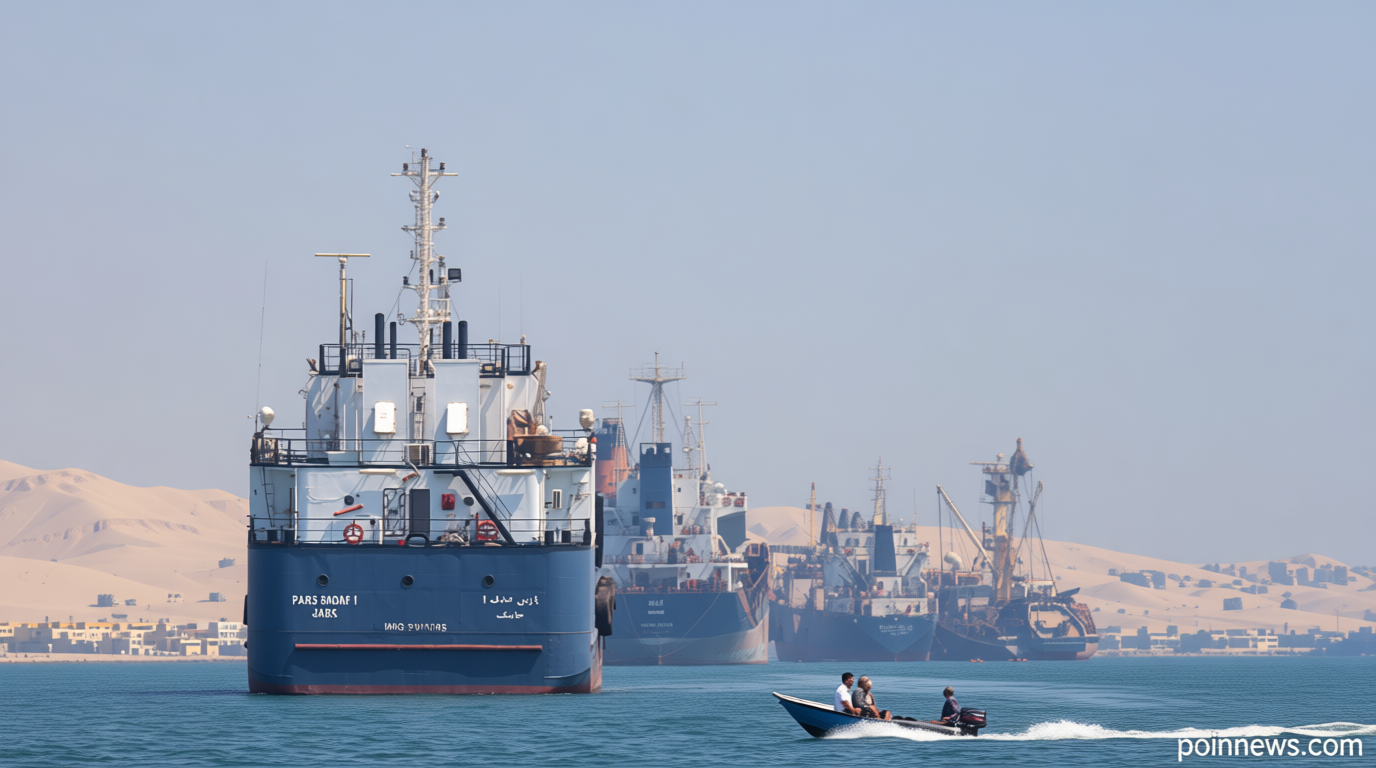
Iran Recloses Strait of Hormuz, Citing Israeli Strikes on Lebanon
Poinews.com – Iran has once again reclosed the Strait of Hormuz, a critical maritime passage for global oil and gas trade, in direct response to recent Israeli strikes on Lebanon. The Iranian military confirmed the decision via the Fars state news agency, stating that the closure was a necessary measure to counter perceived aggression by Israel. This action marks the third time Iran has sealed the strait this year, following similar moves in protest of U.S.-led military operations and to signal its readiness to escalate tensions in the region. The closure comes as Israel intensifies its campaign against Hezbollah, which has been a key ally of Iran in southern Lebanon.
Iran’s move to reclose the Strait of Hormuz is part of a broader strategy to assert control over regional dynamics and retaliate against actions it deems threatening. The government accused Israel of violating the ceasefire agreement with Hezbollah, which was declared on Friday, by conducting multiple attacks in southern Lebanon. These strikes reportedly targeted infrastructure and military assets, prompting Iran to take the step of blocking the strait as a show of force. The closure has the potential to disrupt global energy markets, as the strait serves as a lifeline for over 20% of the world’s oil exports. The Iranian foreign ministry emphasized that the reclosure would continue unless the other party, namely Israel, fulfills its obligations under the ceasefire.
Escalating Tensions and the Role of External Powers
The decision to reclose the Strait of Hormuz underscores the delicate balance of power in the Middle East. Iran has consistently blamed the United States for not upholding its commitments under the ceasefire, arguing that American support for Israel has emboldened the latter’s military operations. In a statement released by the Iranian embassy in Washington, officials highlighted the U.S.’s failure to ensure the agreement’s stability, which they claim has led to ongoing hostilities. The closure also serves as a reminder of Iran’s leverage over global energy supplies, a point of leverage it has used in the past to pressure international actors.
“The reclosure of the Strait of Hormuz is a clear signal that Iran will not tolerate continued aggression,” said a spokesperson for the Iranian Revolutionary Guard. “We are prepared to take all necessary steps to protect our interests and those of our allies.”
The situation has sparked concerns among neighboring Gulf states, including Saudi Arabia and the United Arab Emirates, which rely heavily on oil exports through the strait. Analysts warn that prolonged closures could lead to a spike in oil prices and supply chain disruptions, affecting economies worldwide. Meanwhile, the Israeli Defense Forces defended their strikes, stating they were a proportional response to Hezbollah’s rocket attacks. This cycle of retaliation has deepened the conflict, with both sides accusing each other of breaking the ceasefire and escalating the war.
Historical Context and Strategic Implications
Iran’s reclosure of the Strait of Hormuz is not a new tactic but one that has been employed in previous conflicts to exert political and economic pressure. The strait, located between the Persian Gulf and the Arabian Sea, is one of the world’s most strategic waterways, with daily traffic of thousands of vessels. By blocking it, Iran aims to highlight its role as a key player in regional security and to draw international attention to the consequences of continued Israeli military actions. The move also reflects the broader geopolitical tensions between Iran and the West, particularly the U.S., which has been a long-standing adversary in the region.
“The Strait of Hormuz is a symbol of our sovereignty and a tool for diplomacy,” said an Iranian official in a press briefing. “Closing it is both a defensive and strategic decision.”
International reactions to the closure have been mixed. While some countries, such as Russia and China, have expressed support for Iran’s stance, others, including the European Union, have called for calm and urged dialogue. The United Nations has also reiterated its commitment to mediating the conflict, with the latest summit in Geneva aiming to stabilize the situation. However, the reclosure of the Strait of Hormuz has raised fears of a full-scale blockade, which could have severe economic repercussions for the global community. The action has also prompted discussions about the potential for a wider regional conflict involving Iran, Israel, and Hezbollah.
The ongoing dispute over the Strait of Hormuz highlights the interconnected nature of Middle Eastern politics. As Iran continues to reclose the waterway, the international community watches closely for signs of escalation. The closure serves as both a symbolic gesture and a practical measure, affecting energy markets and testing the resolve of global partners. With tensions rising and the ceasefire under threat, the future of the region hangs in the balance, and the reclosure of the Strait of Hormuz may be a pivotal moment in this evolving conflict.