Trump threatens to use frozen Iranian assets to pay for shipping damage
In a bold move that has sent shockwaves through international diplomacy, President Trump threatens to use frozen Iranian assets as a mechanism for

Trump Threatens to Use Frozen Iranian Assets to Cover Shipping Damage Claims in Escalating Gulf Tensions
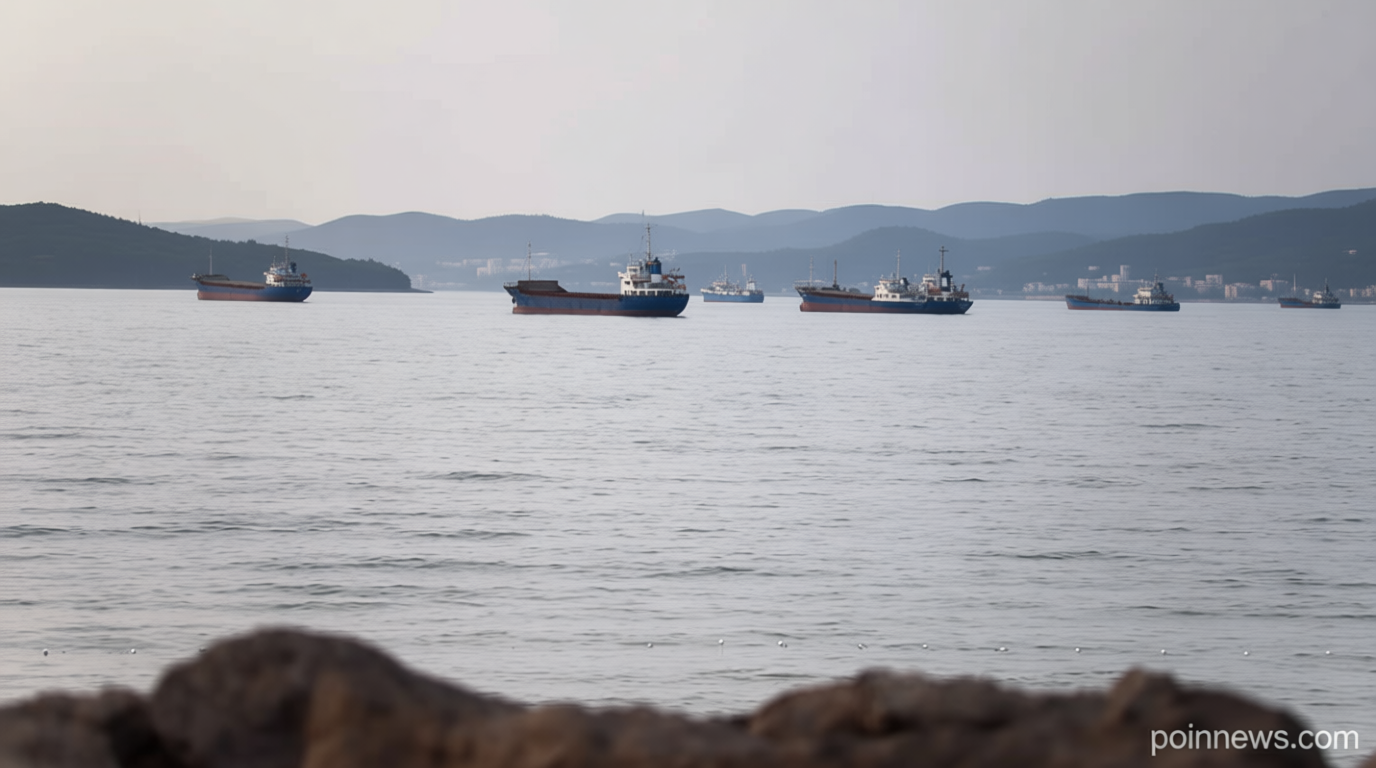
Poinews.com – In a bold move that has sent shockwaves through international diplomacy, President Trump threatens to use frozen Iranian assets as a mechanism for compensating maritime losses in the Persian Gulf region. This unprecedented proposal aims to tap into billions of dollars in Iranian financial reserves currently held within the United States to settle claims arising from vessel and cargo incidents throughout the critical waterway. The administration’s strategy represents a significant shift in how American leadership plans to address escalating tensions and protect commercial interests in the region.
Asset Seizure Proposal Sparks Diplomatic Concerns
Through a post on Truth Social, the American president outlined his position regarding future compensation arrangements with remarkable clarity. The message emphasized that all subsequent harm affecting vessels, freight, or associated elements would draw directly from American-controlled Iranian funds. This approach could fundamentally alter how international maritime disputes are resolved and set a precedent for future conflicts.
“Please let this statement serve to represent, until further notice, that from this point forth, any and all damages done to Ships, Cargo, or anything related thereto, will be paid for by Iranian Money that the United States has in its possession, and controls,”
Tehran’s response came swiftly through Foreign Minister Abbas Araghchi, who characterized the move as establishing a troubling precedent for international finance. The Iranian diplomat warned that normalizing such confiscatory measures could destabilize global financial security and undermine trust in sovereign asset protection. Araghchi’s statement reflected growing concerns among allied nations about the potential ripple effects of this policy decision.
“Seizing another nation’s assets to pay for unrelated future claims is an incendiary precedent,” Araghchi wrote on Friday. “Those who celebrate or profit from such funds should remember: once governments normalise confiscation, no one’s assets are safe. Ensuing chaos will not be pretty or peaceful,” he added.
Continued Military Operations in the Region
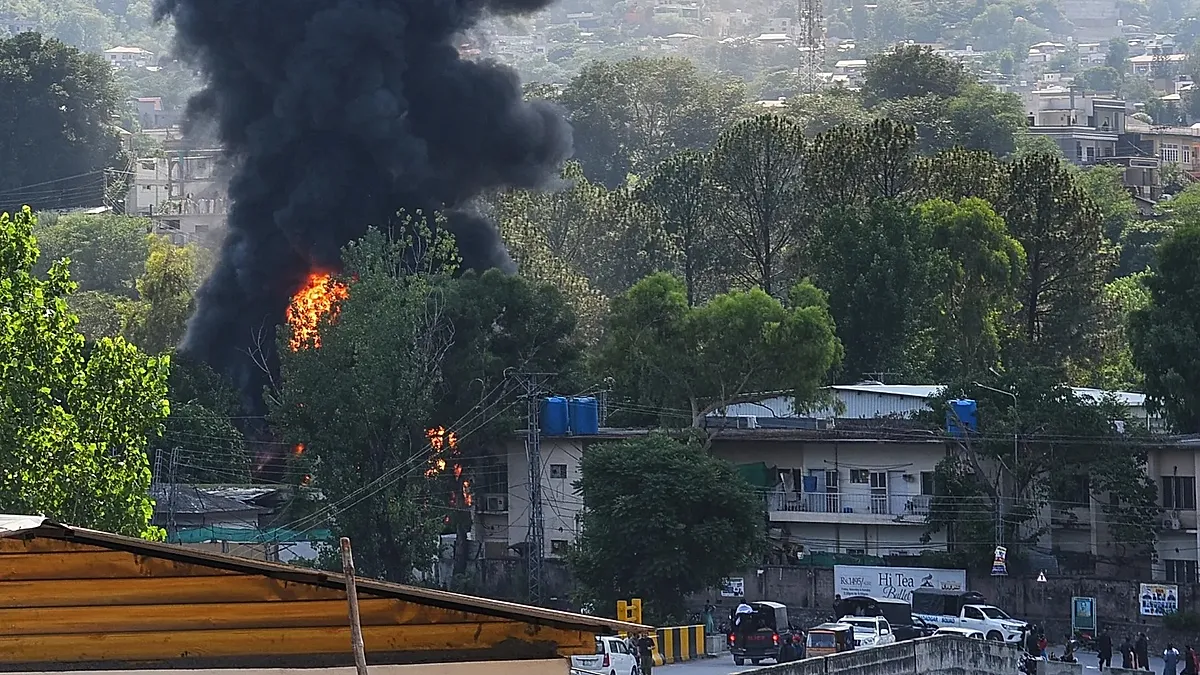
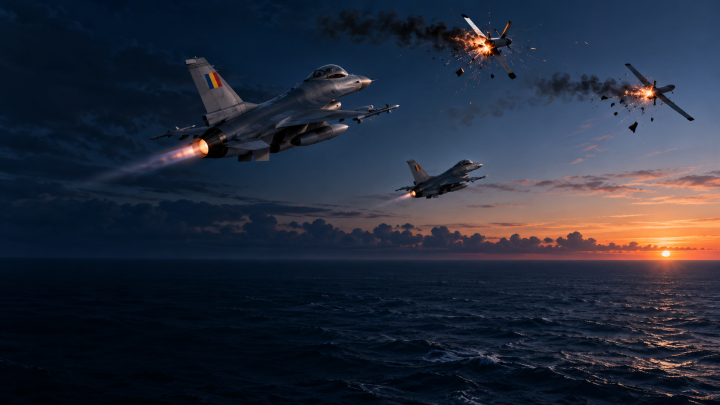
The diplomatic exchange coincides with sustained American military activity against Iranian targets throughout the region. Washington has now conducted thirteen successive nights of bombardments focusing on both defense installations and commercial facilities across Iran. These operations have targeted strategic locations including naval bases, drone facilities, and key infrastructure points that support Iran’s regional influence.
State television in Iran documented multiple explosions across several strategic locations during the recent campaign. The port city of Bandar Abbas experienced significant blasts, while Qeshm Island—home to naval vessels and drone craft capable of threatening shipping through the Strait of Hormuz—also reported impacts. Additional detonations occurred near the cities of Andimeshk, Omidiyeh, and Firuzabad to the northwest, demonstrating the comprehensive nature of the American military response.
Houthi Threatens Alternative Trade Route
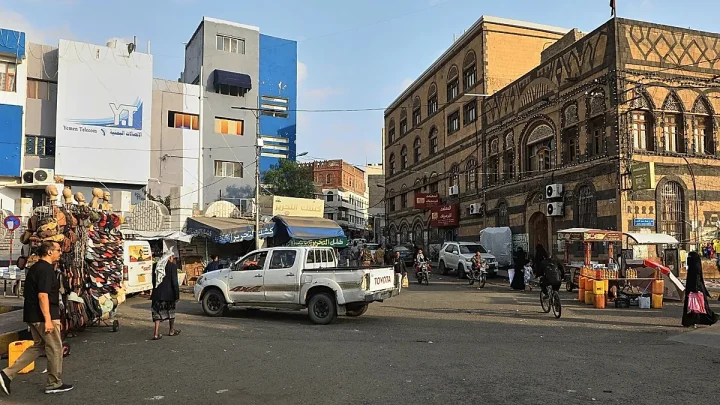
Meanwhile, a secondary conflict zone has developed involving Yemen’s Iran-aligned Houthi movement, adding another layer of complexity to the regional situation. The militant organization has signaled intentions to disrupt the Bab el-Mandeb Strait, a critical maritime corridor handling approximately twelve percent of global commerce. This development has raised concerns among international shipping companies and energy exporters who rely on this vital waterway.
President Trump issued warnings to the Houthi fighters following their claimed attacks on two Saudi oil tankers navigating the Red Sea. The American leader emphasized that Washington would hold Tehran accountable for Houthi actions, given the group’s status as an Iranian proxy. This connection between the Houthi operations and Iranian support has become a central element in American diplomatic strategy.
“The US will hold Iran responsible, in that the Houthis are a surrogate and/or proxy of Iran, and major military punishment will be inflicted upon Iran and, of course, the Houthis themselves” should the rebels launch further attacks, Trump wrote on Truth Social.
The Houthi decision to restrict Saudi-linked vessels through the Bab el-Mandeb represents retaliation for Riyadh’s blockade of Yemen and a recent assault on Sana’a’s international airport. Earlier in the week, Trump indicated that American forces would respond decisively if shipping and energy exports faced disruption through this vital waterway. The combination of military pressure, asset seizure threats, and diplomatic warnings creates a multi-dimensional approach to addressing regional instability.