Latvia to ban books, newspapers and video games from Russia and Belarus
Latvia to ban books newspapers and video games in a significant move to strengthen economic independence from Russia and Belarus. The Baltic nation's

Latvia to Ban Books Newspapers and More in New Trade Restrictions
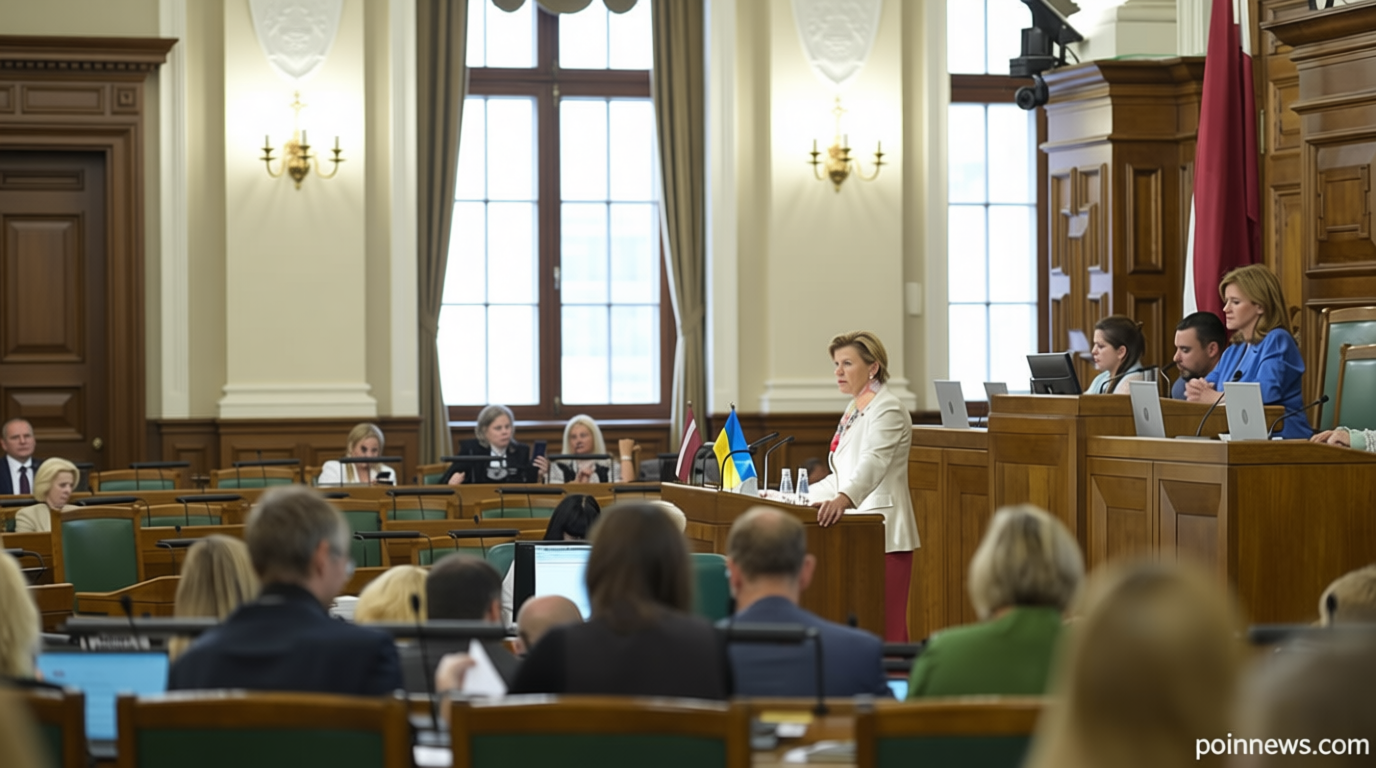
Poinews.com – Latvia to ban books newspapers and video games in a significant move to strengthen economic independence from Russia and Belarus. The Baltic nation’s parliament has approved legislative amendments that will restrict the import of a wide range of Russian and Belarusian consumer goods, extending beyond existing European Union sanctions. This comprehensive policy aims to further cut economic ties with Moscow while limiting the spread of Kremlin propaganda across Latvian borders. According to the official amendments to Latvia’s law on Support for the Civilian Population of Ukraine, “To ensure the security of Latvian society… and to provide general support to Ukrainian society, the importation of certain industrial goods into the Republic of Latvia from the Russian Federation and the Republic of Belarus is prohibited.”
Expanding the Scope of Trade Restrictions
The new legislation represents one of the first national bans in the EU on a broad range of Russian and Belarusian consumer goods beyond the bloc’s existing sanctions regime. Under the updated law, imports of goods originating in Russia and Belarus that are not already subject to EU sanctions, tariffs or other trade restrictions will face significant limitations. Additionally, the restrictions will apply to goods imported via third countries if their country of origin is Russia or Belarus. The ban, which was approved on the same day as the EU agreed its latest sanction package, covers products that lawmakers say can be used to spread propaganda and disinformation.
“These amendments are the latest tool to systematically reduce economic ties with Russia and Belarus while maintaining our unwavering support for Ukraine in its fight for freedom and independence,” said Raimonds Bergmanis, Chairman of the Defense, Internal Affairs and Corruption Prevention Committee responsible for the progress of the bill in the Latvian Parliament.
The scope of Latvia to ban books newspapers extends to various categories including video games, sporting goods, toys, clothing and footwear. These items were specifically identified as potential vehicles for propaganda and disinformation campaigns. The legislative changes reflect Latvia’s growing determination to create a more comprehensive economic firewall against its eastern neighbors.
Imports of the newly targeted goods from Russia and Belarus totalled €12.5 million in 2025, accounting for 6.5% of Latvia’s remaining imports from the two countries and just 0.05% of Latvia’s total imports. The proposal was drafted by Latvia’s Foreign Ministry and fast-tracked through parliament as part of the government’s broader effort to eliminate remaining trade links with Russia. This data demonstrates that while the volume may seem modest, the symbolic and strategic importance of these restrictions is substantial.
“Latvia has already significantly reduced economic ties with Russia, but our goal should be a complete policy of refusal with regard to the goods of the aggressor state,” Minister of Economy Viktors Valainis said at the end of May, following the ministers’ meeting on restricting trade with Russia. This statement underscores the government’s long-term vision for economic decoupling from Russia and Belarus.
At that meeting, the Foreign Ministry was instructed to prepare the legislation approved by parliament this week. The final list of products covered by the ban will be adopted by the Cabinet of Ministers. The law will enter into force the day after it is promulgated, with the import restrictions set to remain in place until 1 July 2027. This timeline provides businesses and consumers with adequate preparation time for the transition.
Foreign Minister Baiba Braže has repeatedly argued that Latvia should end its remaining economic ties with Russia by the end of 2026 and has called on other EU member states to adopt similar measures. Her advocacy positions Latvia as a potential leader in regional economic policy, potentially influencing neighboring countries to follow suit with their own restrictions on Russian and Belarusian goods.