NATO summit: Europe signals it’s ready to take control of its own defence
NATO Summit Marks Europe's Growing Autonomy in Defence NATO summit - The NATO summit in Ankara this week marked a pivotal moment for the alliance.

NATO Summit Marks Europe’s Growing Autonomy in Defence
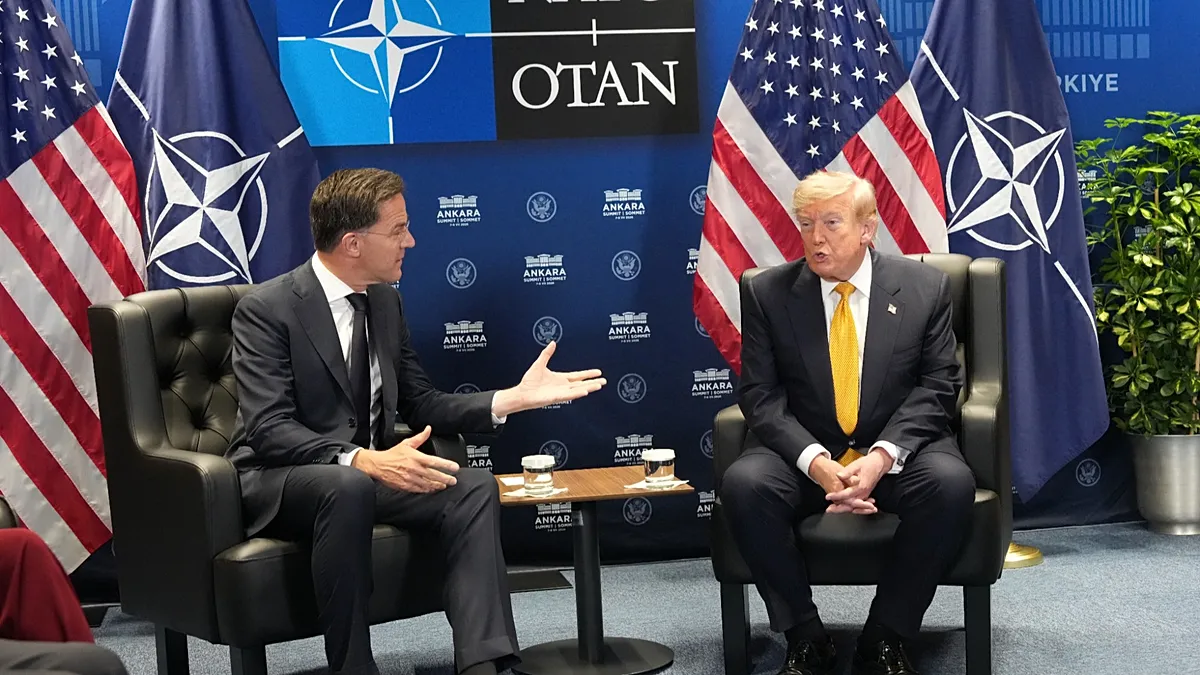
Poinews.com – The NATO summit in Ankara this week marked a pivotal moment for the alliance. With five years of conflict on the continent and two years of friction from a combative White House, the event offered Europe an opportunity to showcase its commitment to independent defense strategies. At the Industry Defence Forum, European allies unveiled a $50 billion package of defense contracts, spanning submarines, Patriot missile systems, interceptors, and ammunition, signaling progress toward the goal of allocating 5% of GDP to defense by 2035.
Key Investments in Strategic Capabilities
Among the notable decisions was NATO’s selection of the Swedish firm Saab to produce surveillance planes, replacing the U.S.-made Airborne Warning and Control System. Additionally, the Drone Hedge initiative committed $40 billion over five years to bolster counter-drone defenses across the alliance. This effort prioritizes training pilots and ensuring seamless interoperability between member states.
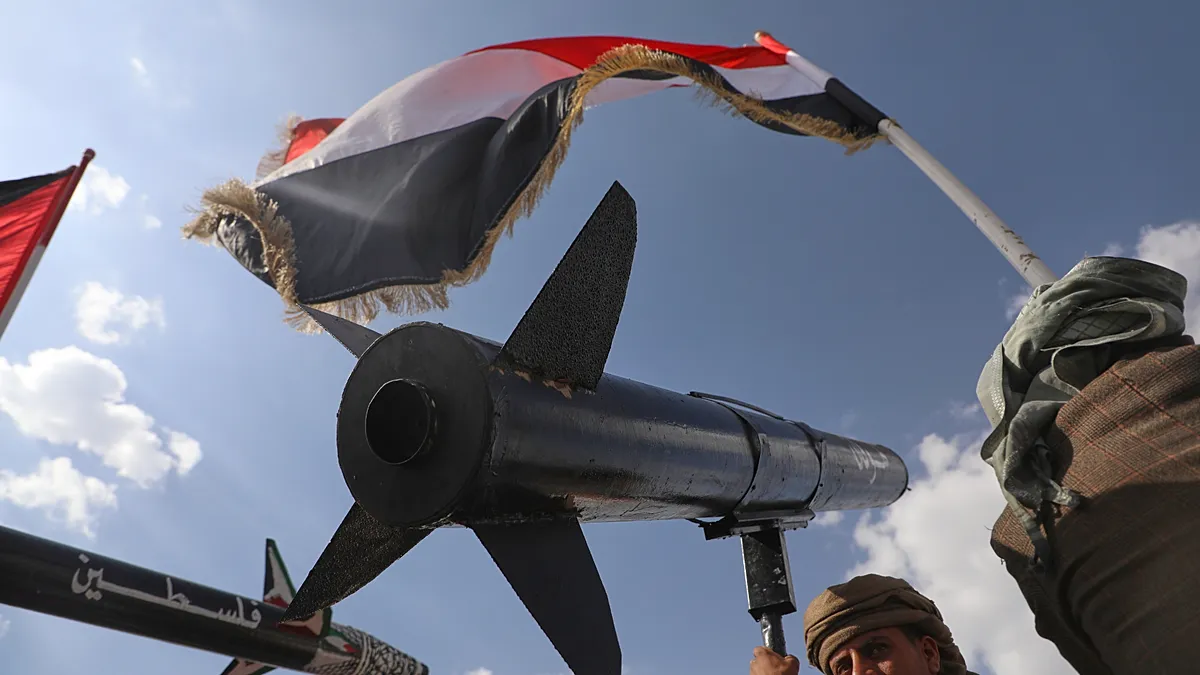
“Drones have transformed the nature of modern warfare,” noted NATO Secretary General Mark Rutte during the Defence Industry Forum. “Their impact on the battlefield is undeniable, evident in Ukraine, the Middle East, and within the alliance itself.”
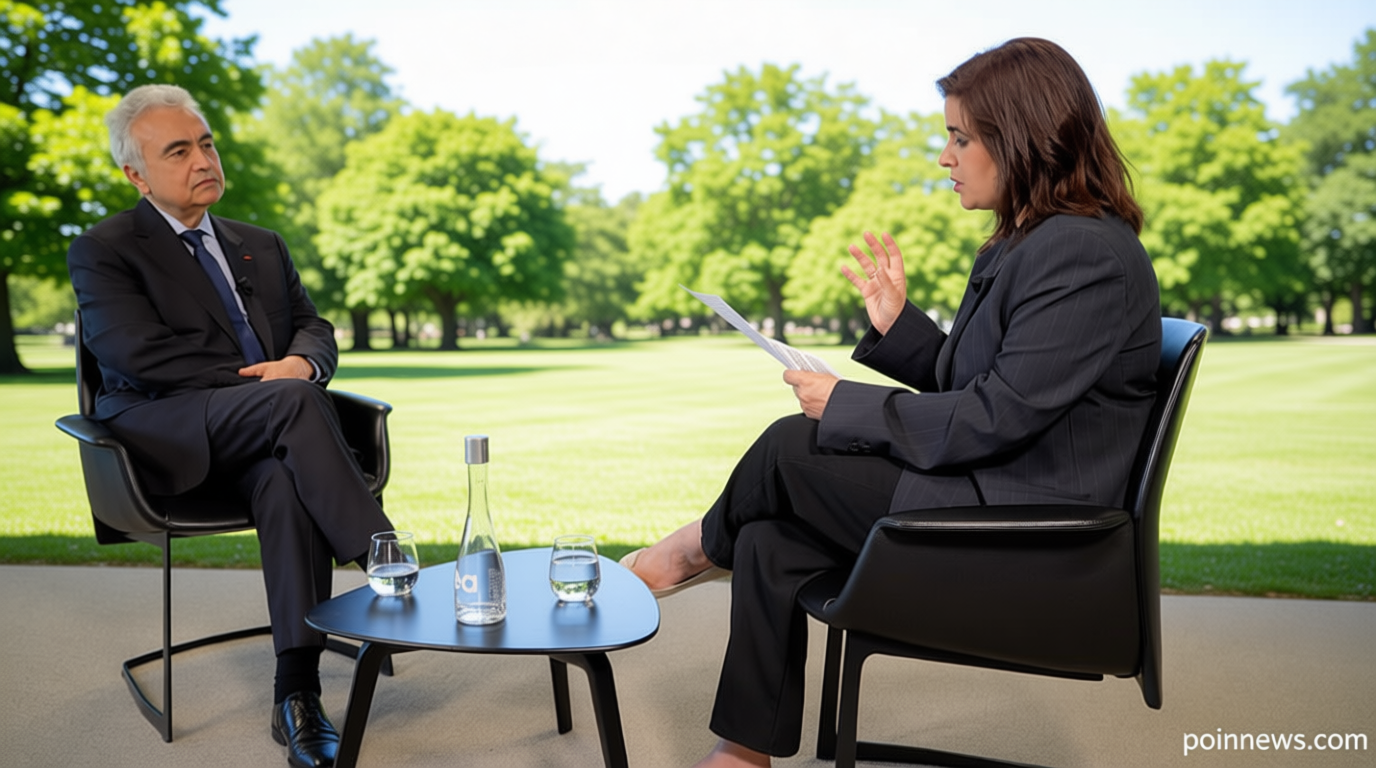
Drone incursions into NATO airspace, particularly in the Baltic region, have grown more frequent, prompting the alliance to emphasize rapid, efficient responses. While European nations have made strides behind the scenes in defense agreements, analysts stress the need for sustained collaboration. “The European allies have executed significant groundwork in security deals,” said Daniel Fiott of the EU Institute for Security Studies. “Coordinating on diverse aspects of defense is critical, and we must scale this effort now.”
Ukraine Gains Strategic Leverage
During the summit, U.S. President Donald Trump appeared to support the licensing of Patriot systems for Ukraine. These systems have proven effective against Russian ballistic threats, and Kyiv had long sought the ability to manufacture them domestically. Trump remarked, “A source revealed that the U.S. would grant Ukraine the rights to produce Patriots. It’s complex, but you’ll master it quickly.”
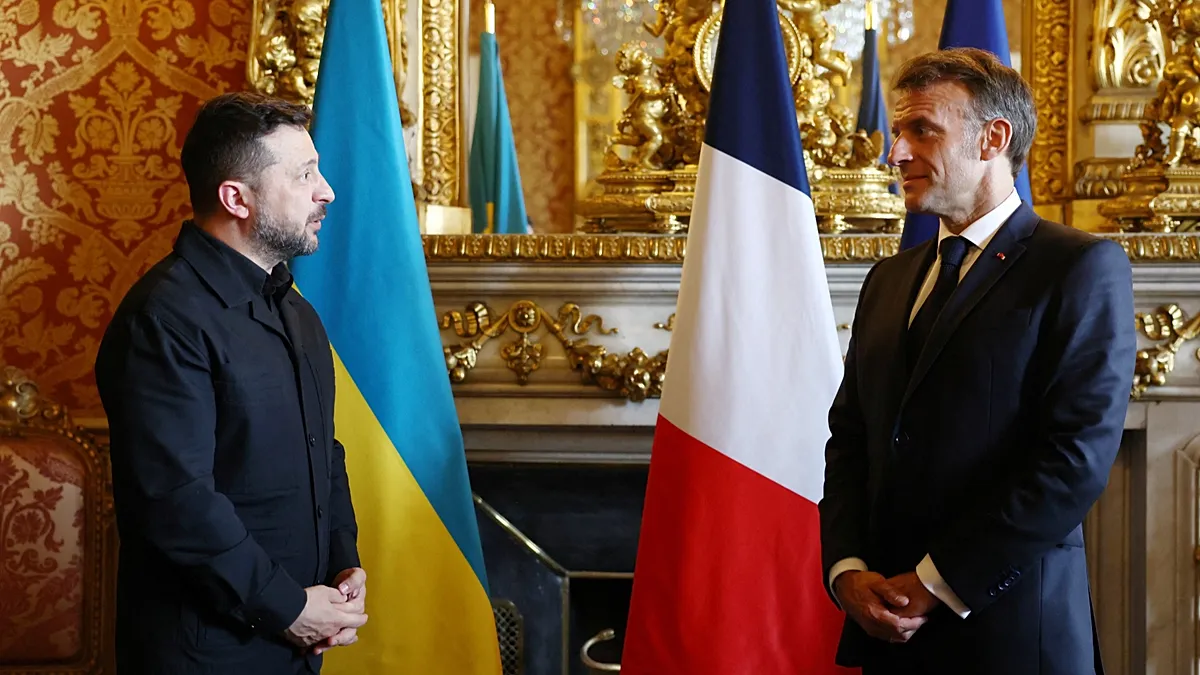
“Trump’s backing reflects Ukraine’s increasing strength,” commented Max Bergmann of the Centre for Strategic and International Studies. “Zelenskyy and Ukraine now have leverage, and Trump recognizes they can no longer be pressured into prolonged conflict.”
Despite these advancements, the U.S. remains a dominant force within NATO. Nico Lange of Rasmussen Global explained that the alliance’s Europeanization depends on replacing strategic enablers—such as satellite navigation and precision strike systems—with European alternatives. “While leaders agree the summit was largely smooth,” Lange said, “Europe must remain vigilant against Trump’s unpredictable stance, particularly his threats toward Greenland.”
Fiott acknowledged that Europe will continue relying on the U.S. for certain technologies in the near term. “We’ll still need American support for some weapons, but the long-term trend is clear,” he stated. “Europe is focused on maximizing taxpayer funds by investing in local capabilities and creating jobs. This shift toward self-reliance is a positive sign for the alliance’s future.”