
Italian con artist jailed for building ‘world’s oldest and largest amphitheatre’ 20-years ago
Franco Malosso 'von Rosenfranz', now 69 years old, has been sentenced to prison after a comprehensive fraud investigation in Italy brought his elaborate

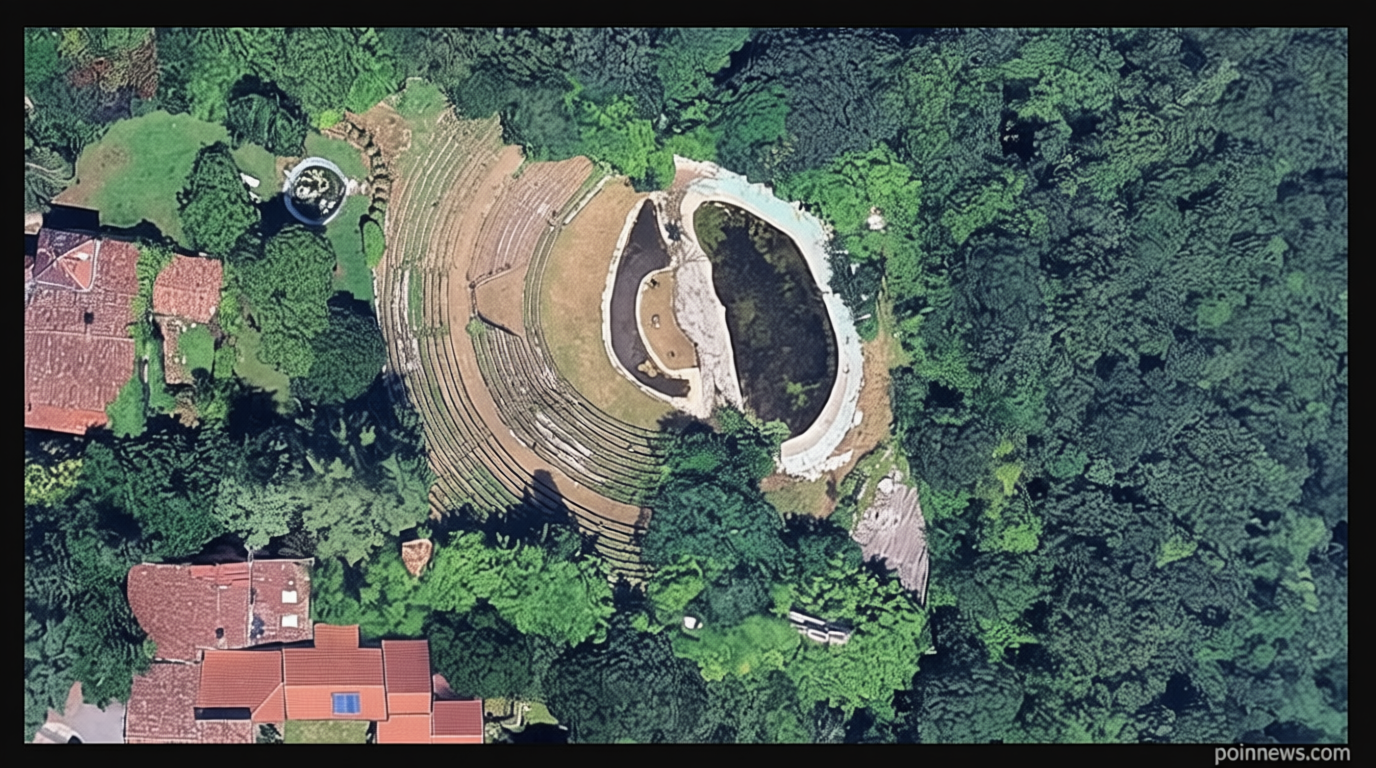
Italian Con Artist Jailed for Building Fake Amphitheatre
The Grand Deception in Vicenza
Poinews.com – Franco Malosso ‘von Rosenfranz’, now 69 years old, has been sentenced to prison after a comprehensive fraud investigation in Italy brought his elaborate scheme to light. The ambitious con man spent two decades convincing thousands of visitors that he had discovered one of the world’s oldest and largest amphitheatres, charging €40 per person for entry to his fabricated Roman monument. According to detailed reports from the Correiere della Sera newspaper, Malosso proudly presented the location as a genuine historical treasure dating back to AD 393, complete with authentic-sounding stories and impressive architectural features.
The site, officially christened the Berico Maritime Amphitheatre, is situated within the beautiful city of Vicenza in north-eastern Italy. Malosso maintained that he first uncovered this mysterious ancient structure following a dramatic landslide event in 2005. He wove particularly elaborate narratives around the location, claiming that Shakespeare’s beloved fictional heroine Juliet Capulet once resided in a nearby historic church. Additionally, he asserted that Julius Caesar himself had stopped by during his legendary journey back to Rome alongside Cleopatra from Egypt, adding further credibility to his remarkable story.
Archaeologists Expose the Counterfeit Monument
Concerns regarding Malosso’s extraordinary claims started surfacing in 2016 when local residents began questioning the authenticity of the amphitheatre. When Italy’s prestigious Carabinieri military police summoned leading archaeologists to examine the site thoroughly, they uncovered materials completely inconsistent with ancient Roman construction. The so-called “ancient” monument contained plaster statues, rendered blocks, papier-mâché columns, and fibreglass elements—all clearly dating to the early 2000s rather than the fourth century. Satellite imagery further confirmed that Malosso had first flattened a hill before erecting his counterfeit historical monument on the prepared ground.
“The amphitheatre was nothing more than a clever fabrication, built with modern materials and presented as ancient history,” explained one archaeologist involved in the investigation.
Historical research provided additional compelling evidence against Malosso’s story. Scholars noted that Julius Caesar existed approximately four centuries prior to the supposed construction date of AD 393, making his visit impossible. Moreover, literary experts pointed out that the setting for Shakespeare’s romantic tragedy is Verona, not Vicenza as Malosso had claimed to tourists and officials alike.
Legal Repercussions and Financial Consequences
Malosso’s self-description as a “philantropist, entrepreneur and orchestra conductor” helped him convince local officials to feature the site prominently in Vicenza’s EU-funded tourism guide and accompanying mobile application. The deception proved so convincing that it attracted significant attention from both tourists and local authorities over the years.
The court sentenced Malosso to two years and four months behind bars for illegal construction, art forgery, and producing works without proper authorisation. He must also pay a €3,000 fine to the state. Meanwhile, the Arcugnano council has initiated legal proceedings seeking €560,000 in damages to recover what they describe as substantial financial losses incurred due to the fraudulent enterprise. This case stands as one of Italy’s most remarkable examples of historical deception, proving that even the most elaborate fabrications can eventually be exposed through careful investigation and scientific analysis.