Second World War ‘hell ship’ found in Philippines with over 1,000 prisoners
Second World War 'Hell Ship' Unearthed Off Philippines with Over 1,000 Prisoners A Discovery After Decades of Silence Second World War hell ship found - After

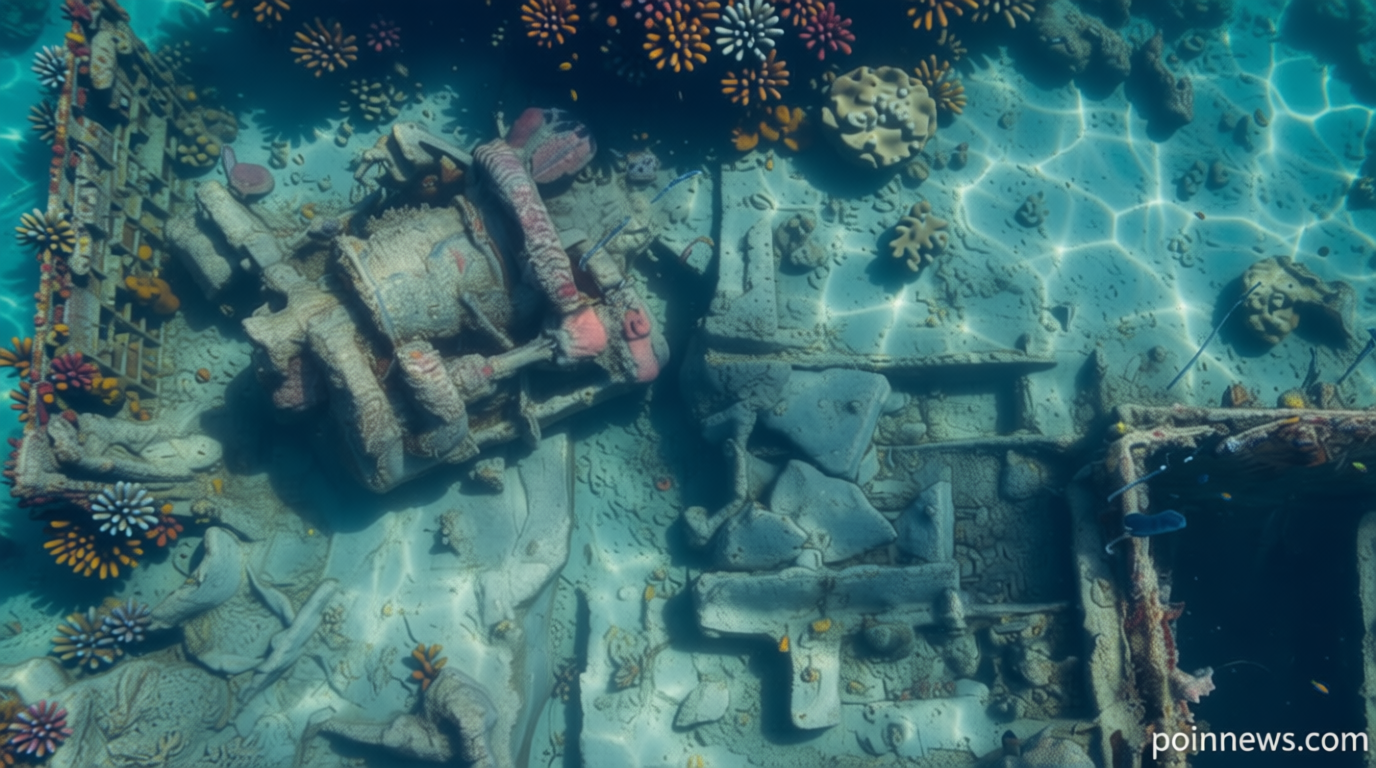
Second World War ‘Hell Ship’ Unearthed Off Philippines with Over 1,000 Prisoners
A Discovery After Decades of Silence
Poinews.com – After eight decades of being lost to history, the wreck of the Hofuku Maru has been located off the western coast of Luzon in the Philippines. This Japanese vessel, once part of a convoy, carried more than 1,289 British and Dutch prisoners of war, many of whom had already endured grueling labor on the Burma–Thailand “Death Railway.” The ship’s remains, now resting at a depth of approximately 50 meters, were found in a state of disrepair, matching accounts of its catastrophic sinking.
Conditions of Suffering
The Hofuku Maru was notorious for its brutal conditions. With no lights, poor ventilation, and minimal sanitation, prisoners were forced to endure extreme hardship. Food and water rations were barely enough to sustain life. The ship, which bore no identifying markings as a prisoner transport, was mistakenly targeted during a US Navy attack. A single torpedo strike shattered its hull, causing it to sink within minutes and trapping hundreds of men in the holds.
Legacy of Loss
Of the 1,289 captives aboard, nearly 1,047 perished in the disaster. Survivors were recaptured by Japanese forces, leaving families without a place to honor their loved ones. This tragedy, though significant, remained largely unknown to the public. The ship’s designation as a “hell ship” by its prisoners underscored the grim reality of their journey through Southeast Asia’s forced labor camps.
A Breakthrough in 2025
Researchers uncovered the ship’s location in 2025 through a digitized Japanese document. John Duresky, working with the Hellships Memorial Foundation, discovered the key details that had eluded historians for years. “We were absolutely stunned to find Japanese sources held precise information about the attack and the ship’s position,” said Randy Anderson, the foundation’s founder. This breakthrough confirmed the wreck’s location more than 50 kilometers south of previous search areas.
Exploration and Verification
A team of experts, including television explorer Josh Gates and maritime archaeologist Calvin Mires, used sonar equipment near Zambales province to pinpoint the site. Volcanic ash from Mount Pinatubo’s 1991 eruption partially obscured the wreckage, but hundreds of photographs helped create a three-dimensional model of the ship. The model’s alignment with original blueprints confirmed its identity. Human remains found among the debris now mark the site as a protected war grave.
Stories of the Forgotten
The discovery allows families of the victims to finally trace their ancestors’ final resting place. While the Hofuku Maru’s story is now known, five other “hell ship” wrecks remain unlocated. The Netherlands has pledged to collaborate on commemorating the victims, offering closure to those seeking to remember the sacrifices of over 125,000 Allied prisoners transported across the Pacific during the war.
“It was the smoking gun,” said Randy Anderson, the foundation’s founder.