More than 68,000 people still missing in Venezuela after devastating earthquakes
More Than 68,000 People Still Missing in Venezuela After Devastating Earthquakes More than 68 000 people still - Two catastrophic earthquakes, measuring 7.2

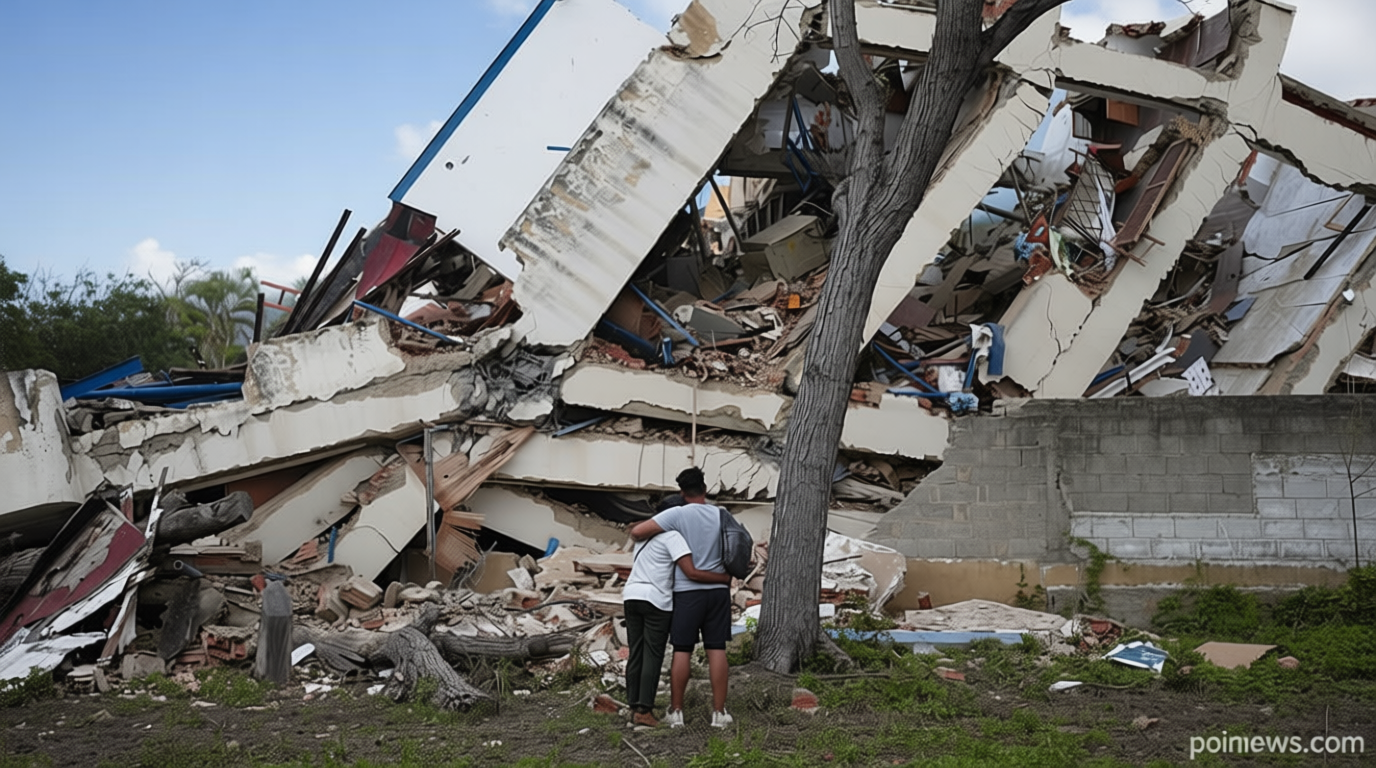
Table of Contents
More Than 68,000 People Still Missing in Venezuela After Devastating Earthquakes
Poinews.com – Two catastrophic earthquakes, measuring 7.2 and 7.5 on the Richter scale, have left over 68,000 individuals unaccounted for in Venezuela, according to the latest reports. The tremors, which struck the country earlier this week, have caused widespread devastation, collapsing buildings, disrupting utilities, and uprooting communities. The human toll has been severe, with over 1,430 people confirmed dead and 3,238 injured, while the search for survivors continues in the aftermath of this unprecedented disaster.
The Scale of Destruction
The earthquakes have left a trail of destruction across multiple regions, particularly in the mountainous zones of western Venezuela. Thousands of homes, schools, and healthcare facilities have been reduced to rubble, leaving families without shelter and emergency services in disarray. The National Guard and local volunteers have been working tirelessly to clear debris and locate missing persons, but the sheer magnitude of the crisis has overwhelmed rescue teams. With over 68,000 people still missing, the challenge of identifying survivors has intensified, especially in areas where infrastructure has been severely damaged.
According to the Venezuelan government, more than 2,741 personnel, including 86 canine units, have been deployed in search and rescue operations. Aid has been mobilized from 24 countries, with over 521 tonnes of supplies arriving to support the affected regions. Despite these efforts, the terrain and ongoing aftershocks have made it difficult to access some of the hardest-hit areas. The initial 72-hour window for rescue operations has passed, yet teams continue to sift through the ruins, hoping to uncover those still trapped beneath the rubble.
International Response and Aid Distribution
The global community has rallied to assist Venezuela in its recovery efforts, with numerous countries and international organizations pledging support. The European Union, for instance, has committed €5 million in emergency assistance to provide immediate relief to the victims. This funding is being used to distribute food, water, and medical supplies to displaced families and injured individuals. In addition, the United Nations Development Programme (UNDP) has estimated that the direct physical damage from the earthquakes has reached approximately $6.7 billion, highlighting the vast resources required to rebuild the nation’s infrastructure.
Several nations have sent specialized teams to help with the search and rescue missions, including the United States, Mexico, and Colombia. These teams are equipped with advanced technology such as ground-penetrating radar and heavy machinery to navigate the debris-strewn landscapes. Meanwhile, local communities have also played a crucial role, organizing volunteer efforts to support the efforts of professionals. The coordination between these groups has been essential, but the scale of the disaster has stretched resources thin, leaving many in the affected areas without adequate support.
Amid the chaos, international media has highlighted the plight of survivors, sharing harrowing footage of rescuers pulling out children and elderly individuals from collapsed structures. Social media platforms have become a vital tool for disseminating information, with updates on the status of missing persons and the progress of rescue operations. However, the emotional strain on families remains palpable, as many are still waiting for news of their loved ones. The focus keyword, “more than 68,000 people,” underscores the gravity of the situation and the urgency of the response.
Long-Term Challenges and Human Impact
As the immediate crisis unfolds, the long-term challenges facing Venezuela have become increasingly apparent. The earthquakes have not only caused physical damage but have also disrupted essential services, including electricity, water, and transportation, leaving thousands without access to basic necessities. The psychological impact on the population is profound, with many residents expressing fear and anxiety about the future. Over 68,000 people are still missing, but the uncertainty extends beyond their immediate fate, as communities grapple with the aftermath of the disaster.
Local authorities have reported that over 100,000 homes have been damaged or destroyed, forcing families to seek shelter in temporary camps or with relatives. The destruction of key infrastructure, such as hospitals and roads, has further complicated the recovery process, slowing the delivery of aid and hindering communication. With the country already facing economic and political challenges, the earthquakes have added a new layer of difficulty, testing the resilience of Venezuelans in the face of adversity. The ongoing search for over 68,000 people has become a symbol of the nation’s collective struggle.
Survivors have described the earthquakes as a traumatic experience, with many recounting the fear of collapsing buildings and the loss of their possessions. “We lost everything in seconds,” said one resident in Caracas, who had narrowly escaped a collapsed supermarket. The emotional toll is compounded by the fact that over 68,000 people remain missing, leaving families in despair and communities in mourning. As the search efforts continue, the hope of finding survivors and recovering lost lives remains a central focus for both local and international teams.