Hottest day: Berlin police deploy water cannons to fight extreme heat
The Hottest Day of the Year: Berlin Police Deploy Water Cannons to Combat Extreme Heat Hottest day - As the Hottest Day of the year arrived in Germany

The Hottest Day of the Year: Berlin Police Deploy Water Cannons to Combat Extreme Heat
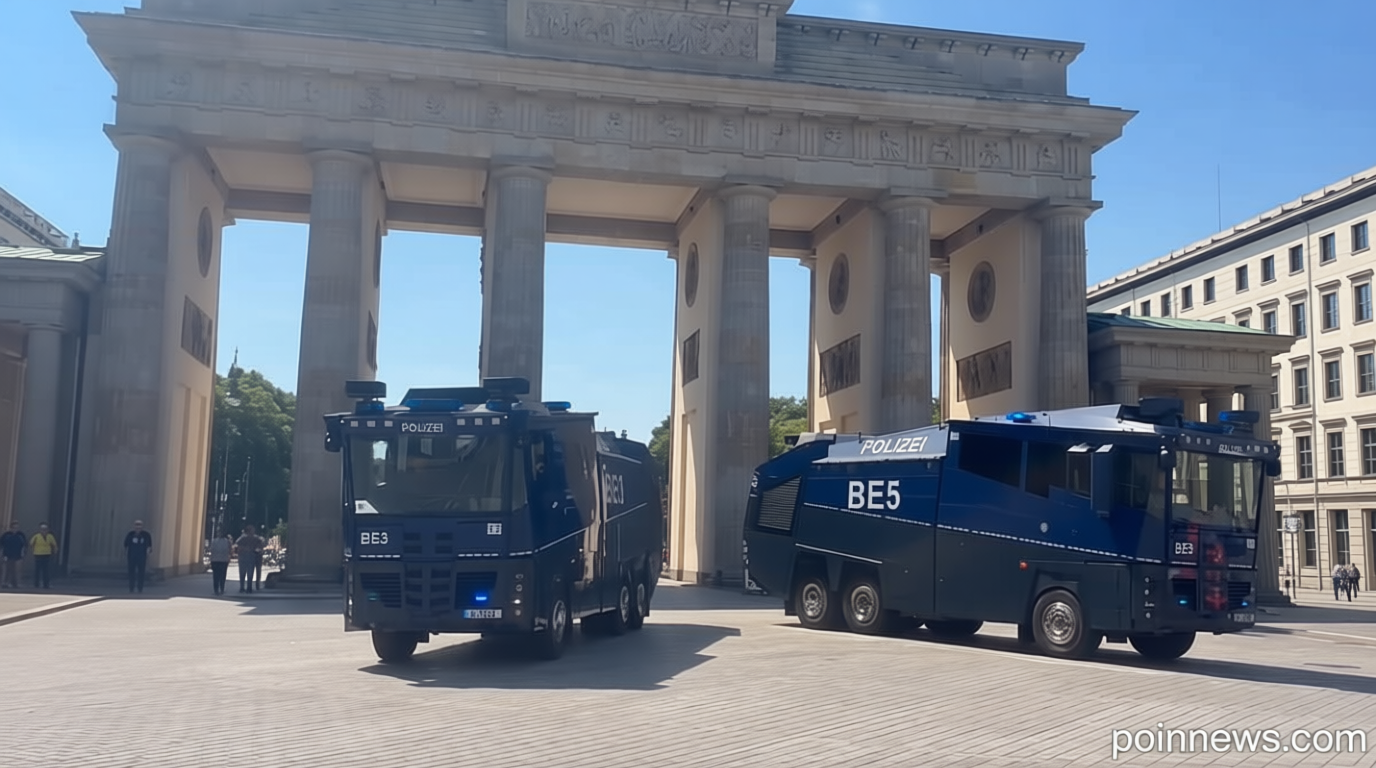
Poinews.com – As the Hottest Day of the year arrived in Germany, Berlin’s police force took an unexpected but practical measure to combat the extreme heat, deploying water cannons across the city. The sweltering conditions, which have been exacerbated by a prolonged heatwave, prompted authorities to adopt this unconventional method of relief, transforming the usual tools of crowd control into instruments of public comfort. The decision came after temperatures soared to record-breaking levels, with the Hottest Day marking a critical turning point in the summer’s relentless heat. The city’s landmarks, such as the Brandenburg Gate and Reichstag, became temporary cooling stations as the water cannons sprayed mist to lower ambient temperatures and provide respite to citizens and tourists alike.
Record-Breaking Temperatures and Public Response
The Hottest Day was not just a single event but the culmination of a heatwave that has gripped Germany for weeks. With temperatures climbing near or exceeding 40°C in several regions, the German Weather Service (DWD) issued urgent alerts, warning of the dangers of heat exhaustion and dehydration. In Berlin, the heatwave reached its peak, forcing the police to take proactive steps to address the crisis. The water cannon deployment was a highlight of the Hottest Day, drawing widespread attention and praise from residents and media alike. Social media platforms buzzed with posts of the misty scenes, with many users calling it a creative and effective response to the unbearable conditions.
According to DWD reports, the Hottest Day saw temperatures in the city reach a scorching 41.5°C at Möckern-Drewitz in Saxony-Anhalt, while areas like Kubschütz recorded nighttime highs that failed to drop below 29.4°C. This persistent heat has disrupted daily life, leading to closures of schools, reduced outdoor activities, and a surge in hospital admissions for heat-related illnesses. The police’s use of water cannons on the Hottest Day was a symbolic gesture, demonstrating how public services are adapting to the challenges posed by climate extremes. Citizens expressed gratitude for the effort, with some describing the mist as a “lifesaver” in the face of relentless sun and stifling humidity.
“The Hottest Day was a wake-up call for the city, and the police’s initiative to use water cannons shows how prepared we are to tackle extreme weather,” said a local official, who remained unnamed. The approach, while unconventional, highlights the growing need for innovative solutions to combat the increasing frequency of heatwaves.
Climate scientists have noted that the Hottest Day is part of a larger trend of rising global temperatures, which are expected to continue as carbon emissions persist. Germany, like many European countries, has seen a steady increase in average temperatures over the past decade, with summer months becoming significantly hotter. The DWD warned that the Hottest Day could be a harbinger of more frequent and intense heat events, urging communities to prepare for future summers. The water cannon deployment was not only a response to immediate discomfort but also a demonstration of how urban planning and emergency services are evolving to meet the demands of a changing climate.
Looking Ahead: The Heatwave’s Peak and Cooling Trends
The DWD forecasts that the heatwave will reach its peak on Sunday, with temperatures projected to range between 37°C and 41°C. This will make the Hottest Day a pivotal moment in the summer’s timeline, as the extreme conditions are expected to persist for several more days. However, the cooling trend is set to begin on Monday, with temperatures dropping to a more manageable range of 27°C to 31°C. The weather service also predicts intermittent rainfall, which could offer temporary relief to the parched landscape and provide a much-needed break for the public.
While the Hottest Day brought immediate relief through the use of water cannons, the long-term implications of the heatwave are more complex. The event has sparked discussions about the need for more sustainable cooling solutions, such as green infrastructure and energy-efficient public spaces. Experts argue that the Hottest Day is a stark reminder of the urgent need for climate adaptation strategies, especially in densely populated urban areas. As the German government reviews its climate policies, the actions taken on this Hottest Day may serve as a model for how cities can respond to extreme weather events in the future.
In addition to the police’s efforts, other cities in Germany have implemented similar measures to cope with the Hottest Day. Berlin’s decision to use water cannons has been echoed in regions like Hamburg and Munich, where authorities have introduced temporary cooling stations and provided advisories on staying hydrated. These actions reflect a growing awareness of the importance of public health in the face of extreme weather. The Hottest Day has also highlighted the role of media in amplifying the effects of climate change, with coverage of the water cannon deployment drawing international attention to the issue.