Euroviews. Albania’s PM Edi Rama: Is Europe ready for its next Helmut Kohl moment?
Albania's PM Edi Rama: Is Europe Ready for a New Helmut Kohl Moment? Euroviews Albania s PM Edi Rama - Focus Keyword : Euroviews Albania's PM Edi Rama

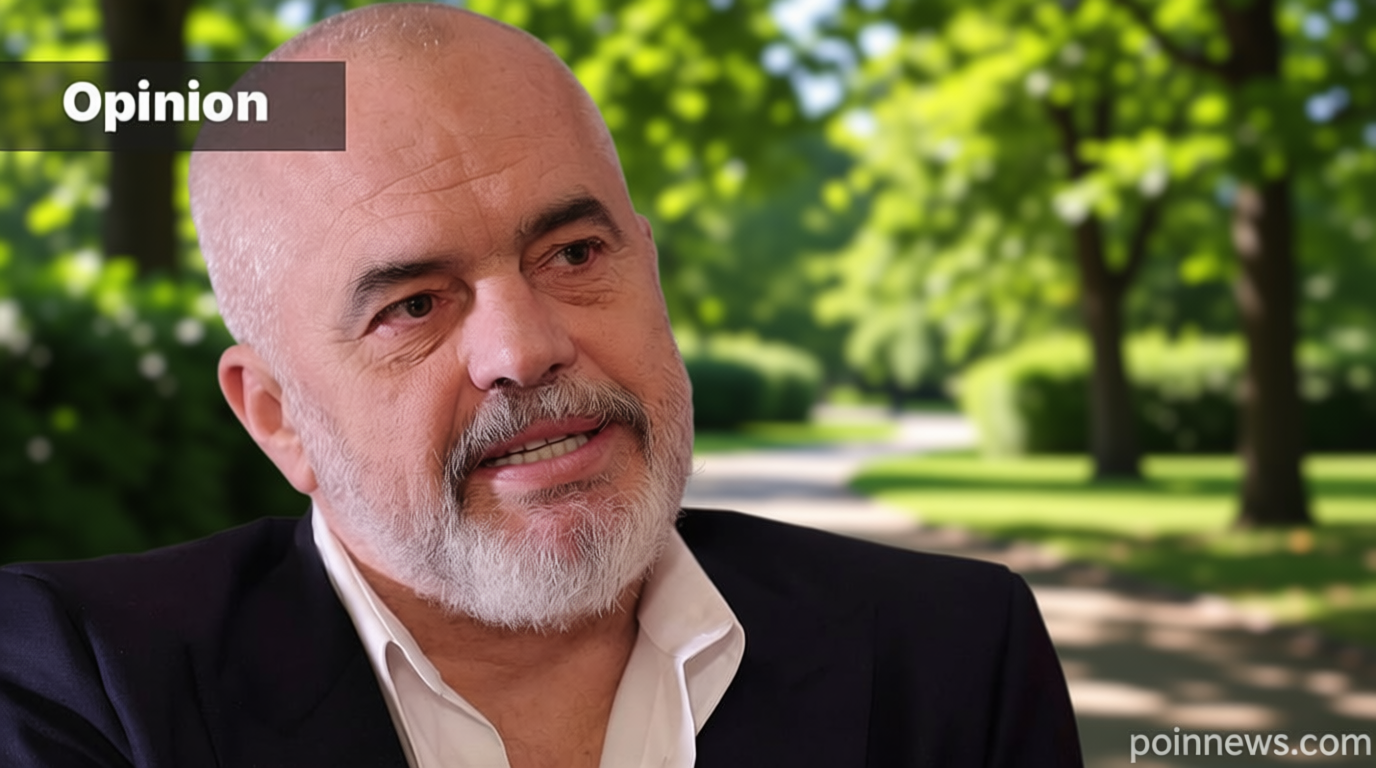
Albania’s PM Edi Rama: Is Europe Ready for a New Helmut Kohl Moment?
Poinews.com – Focus Keyword: Euroviews Albania’s PM Edi Rama Albania’s Prime Minister Edi Rama has once again drawn attention to Europe’s evolving role in global geopolitics, framing the continent’s current challenges as a potential repeat of the transformative era led by Helmut Kohl. In a recent address at a key European summit, Rama emphasized the need for bold leadership and strategic unity, echoing Kohl’s pivotal 1990s vision that reshaped Germany’s destiny. As Europe grapples with emerging threats and shifting alliances, Rama’s call for renewed commitment to integration signals a critical turning point for the region. The question remains: is Europe prepared to embrace another defining moment in its history, akin to the unification of Germany under Kohl’s guidance?
The Legacy of Helmut Kohl and Europe’s Crossroads
Helmut Kohl’s leadership in German reunification remains a benchmark for decisive action in times of crisis. By uniting East and West Germany, he not only secured political stability but also redefined Europe’s geopolitical landscape. Rama’s reflection on this moment underscores a growing concern: that Europe’s current challenges—ranging from energy security to digital sovereignty—demand similarly visionary leadership. The continent’s ability to adapt to these pressures will determine whether it continues to thrive as a unified force or risks fragmentation in the face of external and internal pressures. As Rama noted, “The same principles that guided Kohl must now guide Europe’s next chapter.”
“A leader’s role is not just to navigate the present, but to anticipate the future and shape it.”
Europe’s current state of affairs echoes the early 1990s in significant ways. The region faces a dual challenge: maintaining its ideological unity while addressing practical imperatives such as economic resilience and technological leadership. Rama’s speech highlighted the importance of these elements, arguing that the Western Balkans—often overlooked—could serve as a new axis of European influence. His message is clear: without a cohesive strategy, Europe may struggle to maintain its relevance in an increasingly multipolar world.
Albania’s Strategic Position in European Integration
Albania’s path to European integration has been marked by consistent reforms and a commitment to modernization. As a country at the crossroads of Eastern and Western Europe, its success in navigating political and economic transformation offers a blueprint for other nations in the region. Rama’s government has prioritized infrastructure development, judicial reform, and anti-corruption measures, all of which align with the EU’s accession criteria. However, the lack of a unified European approach has left Albania and its neighbors in a precarious position. Rama’s vision for the region is not just about joining the EU—it is about redefining Europe’s role in a world where borders are no longer the sole determinant of influence.
Europe’s current integration efforts, while ambitious, often overlook the unique contributions of the Western Balkans. The region’s strategic location and historical significance make it an essential piece in the continent’s broader narrative. Rama’s challenge to European leaders is a reminder that progress cannot be achieved in isolation. Just as Kohl’s decisions were shaped by the broader European context, so too must today’s leaders recognize the interconnected nature of the continent’s future. This requires not only policy alignment but also a shared sense of purpose that transcends national interests.
A Call for Resilience and Innovation
As Europe looks to the future, Albania’s experience offers a compelling case study in resilience. The country has demonstrated the ability to overcome decades of political instability and economic stagnation, a feat that resonates with Rama’s broader message. His leadership has been instrumental in positioning Albania as a key player in regional cooperation, bridging gaps between the EU and its neighbors. This approach aligns with the need for innovation in European diplomacy, where traditional frameworks must be reimagined to address contemporary challenges. Rama’s focus on regional connectivity and joint initiatives reflects this forward-thinking perspective.
The international order that once seemed immutable is now under strain. War has returned to Europe, and strategic rivalry has intensified. In this context, Rama’s appeal for unified action is both timely and urgent. The same spirit that drove Kohl’s reunification efforts—marked by determination and foresight—must now inspire Europe’s next chapter. As Albania continues its integration journey, it serves as a testament to the power of strategic vision. Europe’s ability to harness this vision will determine whether it remains a beacon of unity or becomes a fragmented entity in an uncertain global landscape.