Kallas defends EU foreign service before staff as debate over its future intensifies
Kallas Defends EU Foreign Service Amid Reform Debates Kallas defends EU foreign service before - Kaja Kallas, the EU’s High Representative for Foreign Affairs

Kallas Defends EU Foreign Service Amid Reform Debates
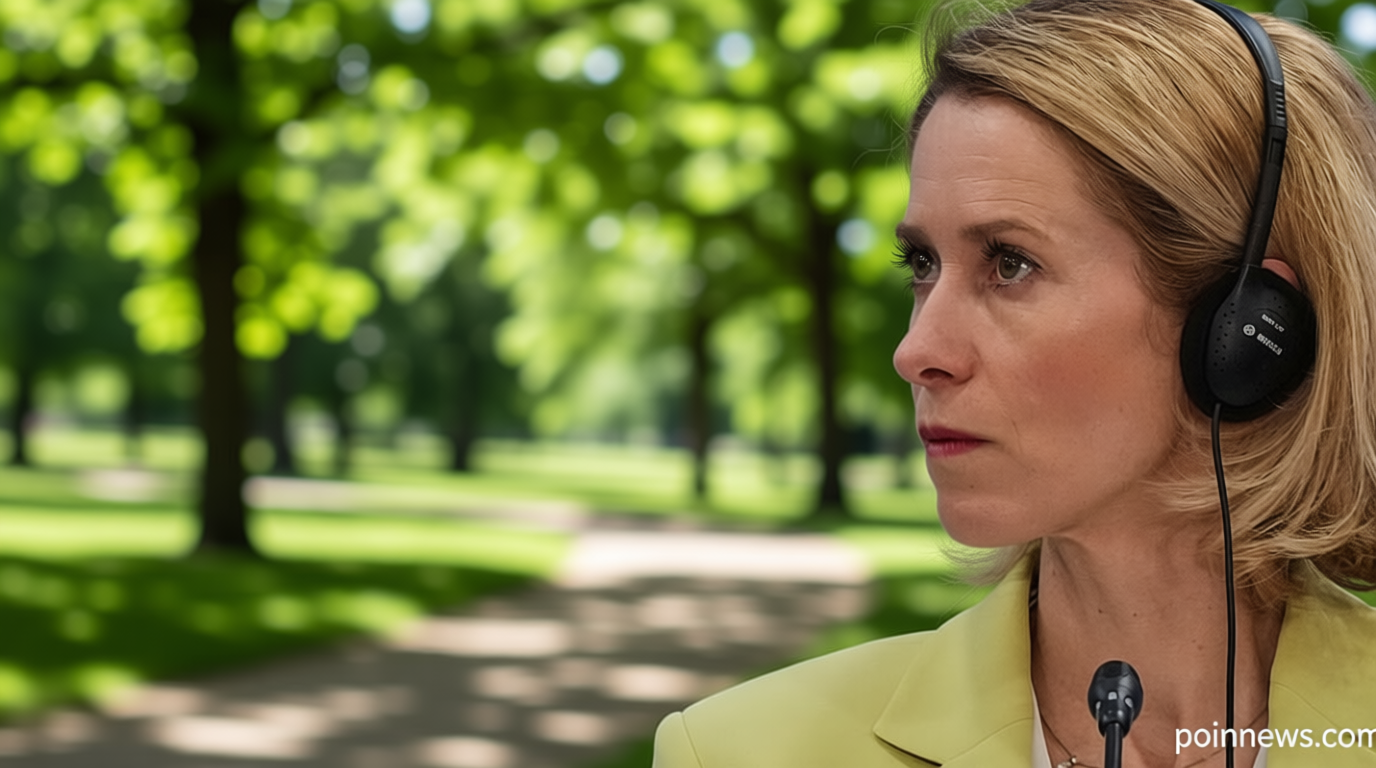
Poinews.com – Kaja Kallas, the EU’s High Representative for Foreign Affairs and Security Policy, recently reaffirmed her support for the European External Action Service (EEAS) during a staff meeting, as ongoing discussions about its restructuring gain momentum. In a public statement, Kallas emphasized the importance of the foreign service in maintaining the bloc’s cohesive diplomatic presence amid growing calls for a more streamlined or reformed approach to external relations. The debate over the EEAS’s future reflects broader concerns about the EU’s ability to project unity and authority on the global stage, particularly in light of evolving geopolitical dynamics and internal policy disagreements.
France Proposes Three Key Reform Pathways
France has emerged as a central player in the push to redefine the EU’s diplomatic architecture, releasing a detailed discussion paper that outlines three potential scenarios for the EEAS’s future. The first scenario suggests reducing the High Representative’s decision-making power, transferring key responsibilities to the European Commission. This aligns with President Ursula von der Leyen’s vision of a more assertive “geopolitical Commission” in shaping international strategies. The second option would empower the European Council to take a more direct role in managing external affairs, while the third proposal advocates for strengthening the High Representative’s authority by expanding their oversight into areas like trade and development.
“The EEAS has been instrumental in ensuring the EU speaks with one voice in foreign policy, especially when member states are divided on global issues. Any changes must preserve this cohesion,” Kallas stated in her address to staff, underscoring her belief in the service’s role as a critical pillar of European unity.
Kallas’s defense of the EEAS comes as France seeks to leverage its leadership in foreign policy to push for structural changes. The discussion paper highlights the need for the EU to adapt to a more fragmented global order, where emerging powers and regional alliances challenge traditional Western dominance. By proposing these reform paths, France aims to reposition the bloc’s diplomatic apparatus to better address issues such as climate diplomacy, trade negotiations, and crisis management in volatile regions.
EEAS Seeks to Strengthen Institutional Position
While France outlines its vision for reform, the EEAS is actively preparing its own strategy to safeguard its role. A key upcoming event will be the informal Foreign Affairs Council meeting in Ireland on 2 September, where ministers will deliberate on the proposed changes. Kallas will also meet with Jean-Noël Barrot, France’s Minister for Europe and Foreign Affairs, on Friday, ahead of the paper’s release, to align on shared objectives and address concerns about the service’s future.
“The EEAS is not just an administrative body—it is the heart of the EU’s foreign policy coordination. Kallas’s recent remarks signal her intent to defend its institutional integrity against competing agendas,” noted an EU diplomat, emphasizing the High Representative’s strong stance.
Diplomats within the EEAS stress that the service’s reform is not merely about structural adjustments but about ensuring its effectiveness in a rapidly changing world. With the EU facing complex challenges from the war in Ukraine to trade disputes with the US and China, the EEAS’s ability to act swiftly and decisively remains vital. Kallas’s defense of the service underscores her commitment to preserving its autonomy and strategic flexibility.
Despite the proposed reforms, many within the EEAS argue that the current framework is robust and has withstood decades of global crises. The service was established in 2009 as part of the Lisbon Treaty to streamline the EU’s external actions, and its success in managing the bloc’s foreign policy has been widely recognized. Kallas’s advocacy for the EEAS highlights its value in a time when the EU must compete with larger, more centralized powers on the world stage.
Geopolitical Challenges Fuel the Debate
The intensifying debate over the EEAS’s future is driven by the EU’s need to respond to unprecedented geopolitical shifts. From the conflict in Ukraine to the rise of China as a global economic and political force, the bloc has faced diverse challenges that require a unified and agile foreign policy. Kallas’s defense of the service is particularly relevant as European leaders grapple with how to balance national interests with collective action.
“Kallas defends EU foreign service as a necessary tool for navigating today’s global complexities. The EEAS’s ability to act independently is crucial when member states are not in agreement on critical issues,” said a senior EU official, adding that the service’s role in mediating disputes and coordinating responses has been a lifeline for the EU’s foreign policy.
Moreover, the EU’s upcoming seven-year budget negotiations will play a pivotal role in shaping the EEAS’s future. While major reforms may require treaty changes, the budget could include provisions to enhance the service’s operational capacity. Kallas’s insistence on defending the foreign service aligns with her broader goal of positioning the EU as a stronger, more unified actor in international affairs. Her arguments resonate with diplomats who fear that overhauling the EEAS could lead to fragmentation and a loss of strategic direction.
As the debate continues, Kallas’s defense of the EU foreign service has become a rallying point for those who believe in its effectiveness. With the upcoming discussions in Ireland and the meeting with Barrot, the High Representative is positioning herself to influence the direction of the reform process. The outcome of these talks will determine whether the EEAS remains a central pillar of the EU’s diplomatic strategy or undergoes a significant transformation in the coming years.