Buurtzorg: the Dutch proximity health care revolution
Buurtzorg: the Dutch proximity health care revolution Buurtzorg - In the heart of Amersfoort, Anne-Marie Wildbergh, 88, enjoys the simple joys of life

Buurtzorg: the Dutch proximity health care revolution
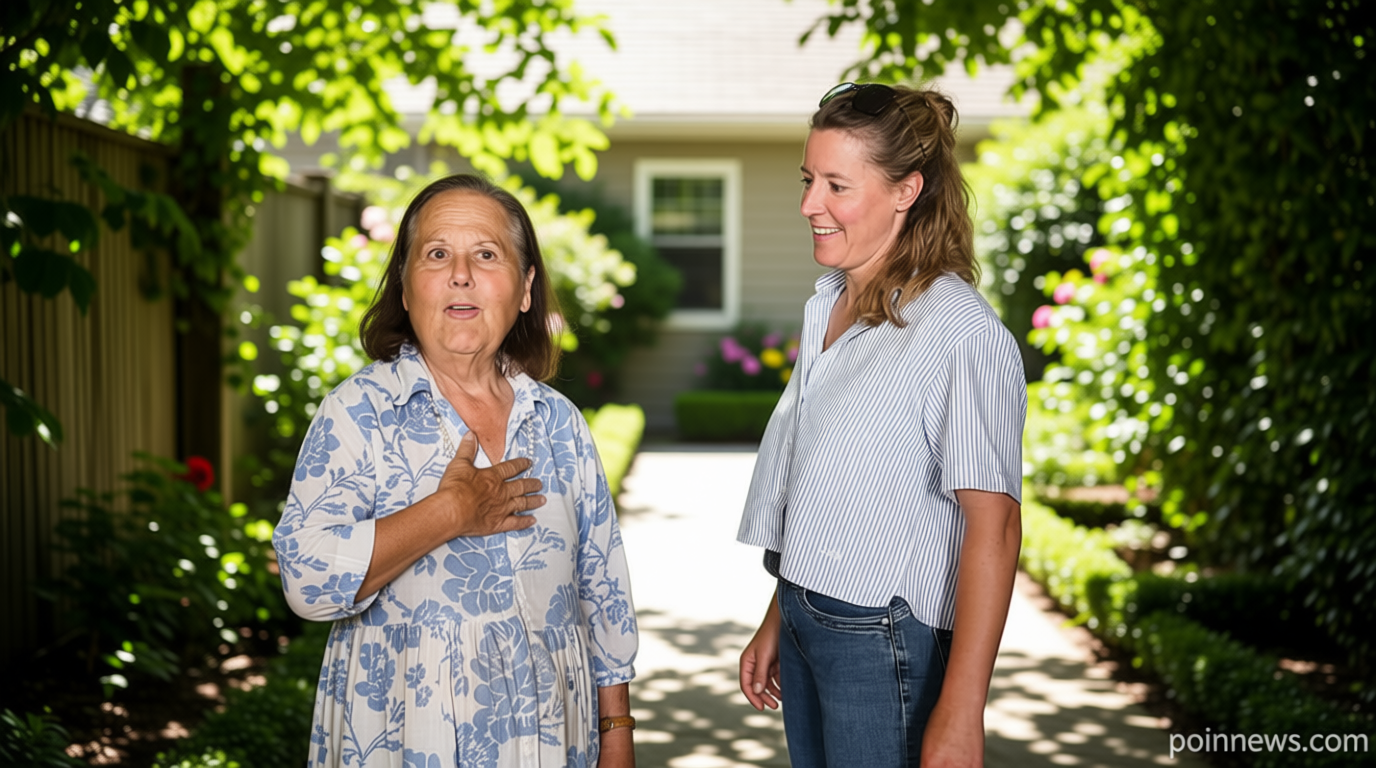
Poinews.com – In the heart of Amersfoort, Anne-Marie Wildbergh, 88, enjoys the simple joys of life, despite living with dementia. Her mornings begin with tending to flowers on her balcony, followed by a cheerful greeting to Deborah Warta, a community nurse. As Deborah reminds her it’s time for medication, Anne-Marie playfully refers to the pills as “the day’s candy.” Her positivity is fueled by cherished memories of her late husband, the support of loved ones, and the attentive care provided by Deborah and her team.
A Model of Personalized Care
Buurtzorg, the Netherlands’ largest home-care provider, operates on a unique philosophy: small, self-directed nursing teams prioritize helping patients stay independent in their own homes. For Bert de Bruin, a Parkinson’s patient, this approach has made a significant difference. “The care Deborah and her team offer is remarkable,” he shares, contrasting it with his less favorable experience in a rehabilitation center where he felt like a “number.”
“I felt somehow like a number. Now I can really feel the difference.”
Deborah, who works closely with Bert, emphasizes the value of close collaboration. “We have strong connections with each other. If anything happens, we can respond swiftly,” she notes. After her morning rounds, she cycles to a team meeting, where decisions are made collectively by the nurses—no managers, just shared responsibility.
The Founder’s Vision
Jos de Blok, the founder of Buurtzorg, explains the motivation behind its creation. “I started it because I sensed the community care system was deteriorating,” he says. Nurses were overwhelmed by bureaucratic constraints, unable to address patients’ needs effectively. “By empowering teams to make decisions, we foster ownership and accountability,” he adds, highlighting how this model allows for tailored care.
“I started it all because I felt that the community care system in the Netherlands was getting worse and worse.”
Today, Buurtzorg employs around 15,000 people nationwide and has inspired similar initiatives in over twenty countries. The CEO reflects on the organization’s success: “We’ve shown that doing the right thing at the right time can save costs and improve outcomes. Minimal overhead means focusing on what truly matters—skilled care delivered with empathy and efficiency.”
Expanding Care Beyond the Physical
While Buurtzorg’s model is rooted in practical support, its impact reaches beyond. In Amsterdam, Marjolijn Onvlee, a district nurse, and Anke Sprakel, a judicial reporter, co-create Radio Steunkous—a podcast named “support stocking.” Using a portable studio, they gather stories from older residents, emphasizing the importance of mental health. “What do you do to stay healthy?” Anke asks an elderly man in a cycling helmet. “I swim, but I also read and write to keep my mind active,” he replies, revealing his struggle with Alzheimer’s.
“Mental care is just as important as physical care.”
Through such efforts, Buurtzorg continues to redefine care, blending compassion with innovation to support well-being in every aspect of life.