‘Once we were like you’: Ancient Roman faces brought back to life in Budapest exhibition
Budapest Exhibition Once we were like you - The exhibition titled “Once we were like you” in Budapest offers a captivating journey into the past by reviving

Ancient Roman Faces Reimagined in Budapest Exhibition
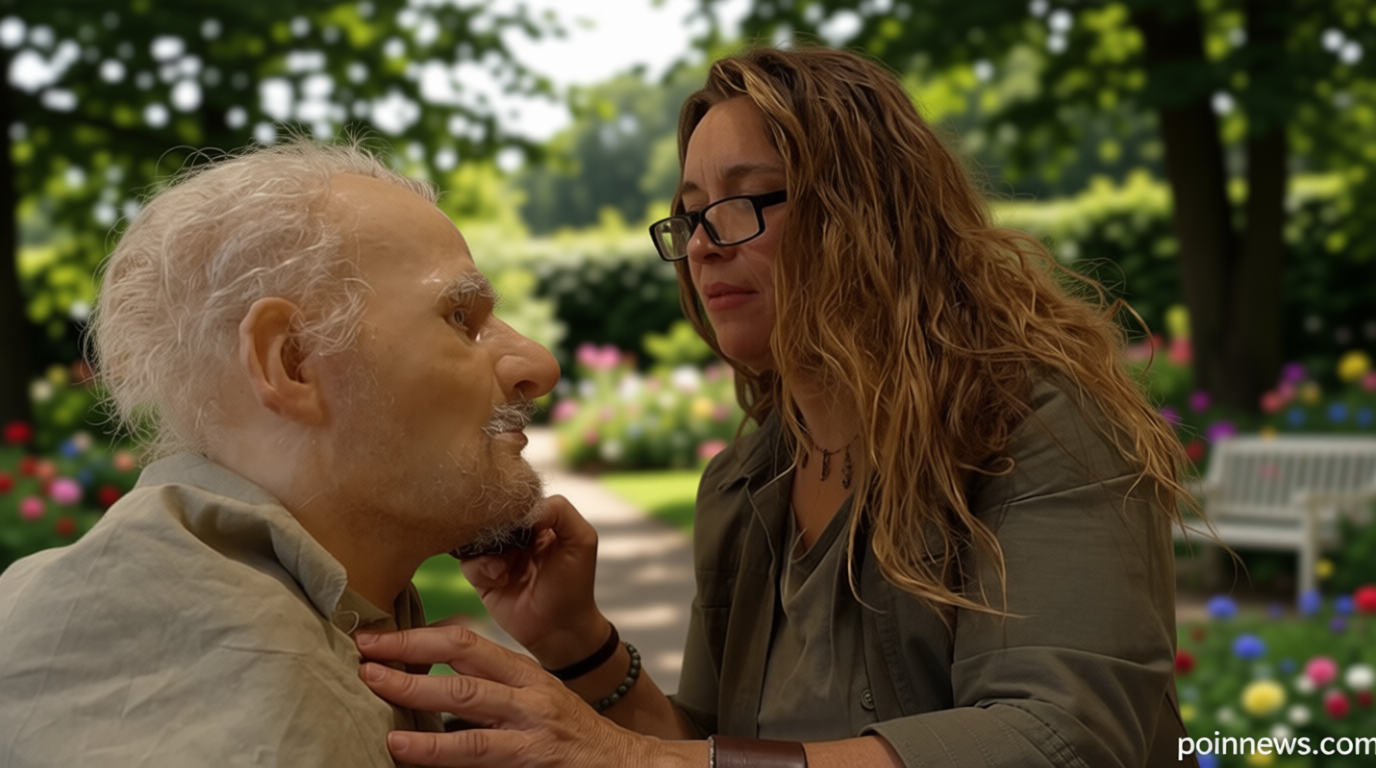
Poinews.com – The exhibition titled “Once we were like you” in Budapest offers a captivating journey into the past by reviving the faces of individuals from the Roman era. Using advanced techniques, the display brings to life the visages of ancient inhabitants of the city of Aquincum, allowing visitors to connect with the lives of people who lived over two millennia ago. This immersive experience transforms historical remains into relatable figures, shedding light on the cultural and social dynamics of the Roman Empire at its frontier.
Reviving the Lost Voices of Aquincum
Located in Hungary, Aquincum was a major Roman military settlement that thrived between the 1st and 4th centuries AD. The exhibition focuses on the 3D-printed facial reconstructions of over 300 Roman-era skulls, each carefully analyzed to reflect the diversity of the population. The project aims to bridge the gap between historical artifacts and modern audiences, using the focus keyword “Once we were like you” as a central theme to humanize the past. By combining archaeological data with creative storytelling, the exhibition encourages visitors to imagine the lives of these ancient individuals.
“We’ve used genetic and anthropological evidence to reconstruct not just the faces, but the identities of these people. The focus keyword ‘Once we were like you’ is a powerful reminder that history is not just about objects—it’s about the lives of those who lived them,” explained Dr. Lóránt Vass, a key curator of the project.
Art and Science: A Collaborative Approach
The process of facial reconstruction involves a blend of scientific precision and artistic interpretation. Emese Gábor, a skilled facial reconstruction artist from Budakeszi, works closely with archaeologists to create lifelike representations. Her meticulous layer-by-layer approach ensures that each face is as accurate as possible, using the focus keyword “Once we were like you” to highlight the emotional connection between the past and present. While the anatomical details are based on DNA analysis and skeletal structure, the biographies assigned to each figure are fictionalized, drawing from historical records and cultural patterns of the Roman era.
“The focus keyword ‘Once we were like you’ captures the essence of this project—reconnecting people with their ancestors. We don’t know the real names of these individuals, but we’ve crafted stories that reflect what they might have experienced,” added Dr. Péter Vámos, another lead archaeologist on the team.
Visitors are not only presented with reconstructed faces but also with an interactive burial site and a Roman-era mummy, creating a multi-sensory experience. These elements, combined with the focus keyword “Once we were like you,” help to contextualize the individuals within their historical environment. The exhibition emphasizes how modern technology, such as 3D printing and DNA sequencing, can breathe new life into ancient history, making it accessible and engaging for contemporary audiences.
Engaging the Public Through Immersive Storytelling
Designers have crafted the exhibition to be both educational and emotionally resonant. Each reconstructed face is paired with a narrative that explores the daily lives, professions, and personal stories of the Roman settlers. The focus keyword “Once we were like you” is woven into these tales, allowing visitors to see themselves in the figures they are observing. For instance, one display features a farmer and a soldier, both depicted with realistic details that evoke a sense of familiarity and connection.
“The focus keyword ‘Once we were like you’ is more than a title—it’s a question. By asking visitors to imagine these ancient individuals as their own ancestors, we make history more personal and meaningful,” said one of the exhibition’s creators.
Additionally, the exhibit includes artifacts such as tools, pottery, and jewelry, further enriching the narrative. These items, combined with the facial reconstructions, paint a vivid picture of Roman life in Hungary. The exhibition runs from July 15 to October 31, 2027, giving visitors ample time to explore the focus keyword “Once we were like you” and the stories behind the faces. It is a testament to the power of imagination in preserving and interpreting history.