‘Our national lung’: France’s nature paradise saved by firefighters but recovery could take 30 years
by Firefighters, Yet Recovery Looms for Decades Our national lung - Located 60 kilometers southeast of Paris, the Fontainebleau forest is a vital ecological

France’s National Lung: A Nature Paradise Saved by Firefighters, Yet Recovery Looms for Decades
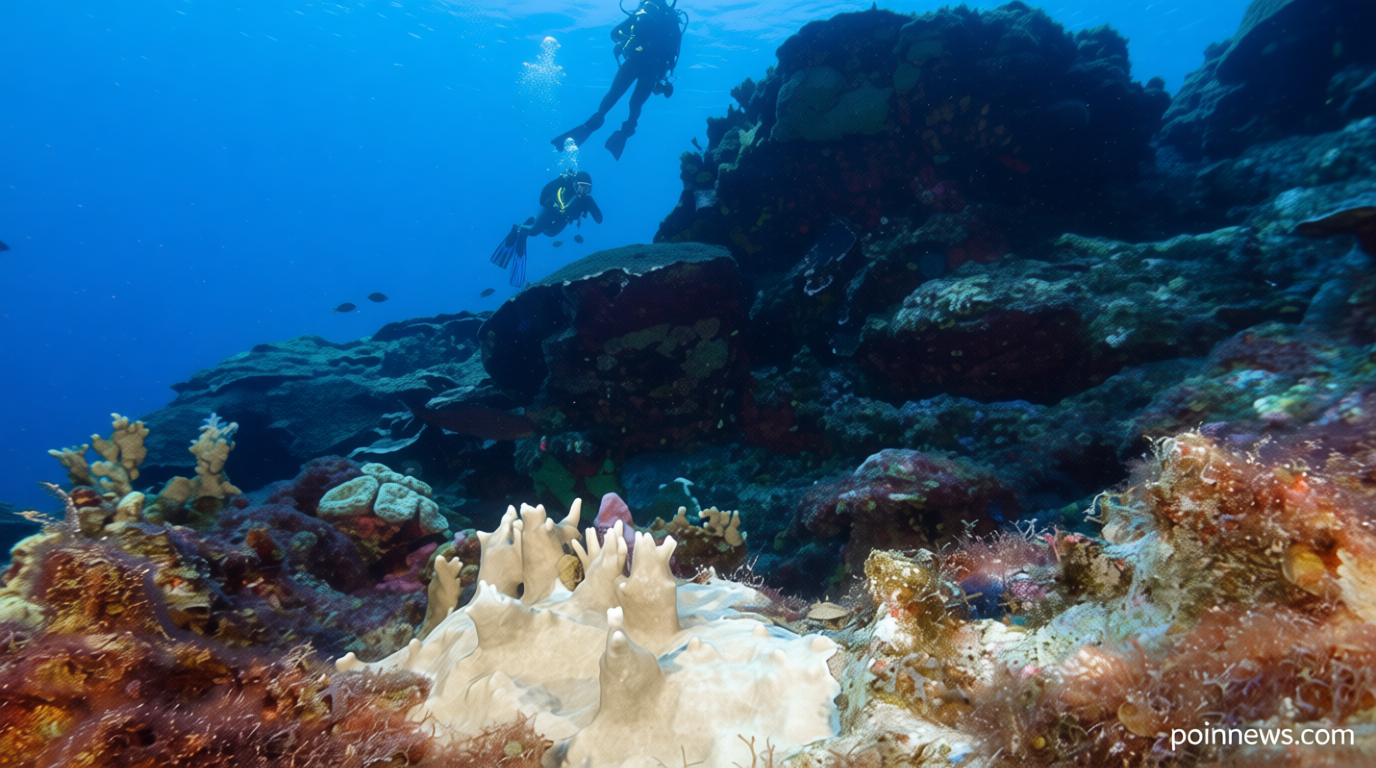
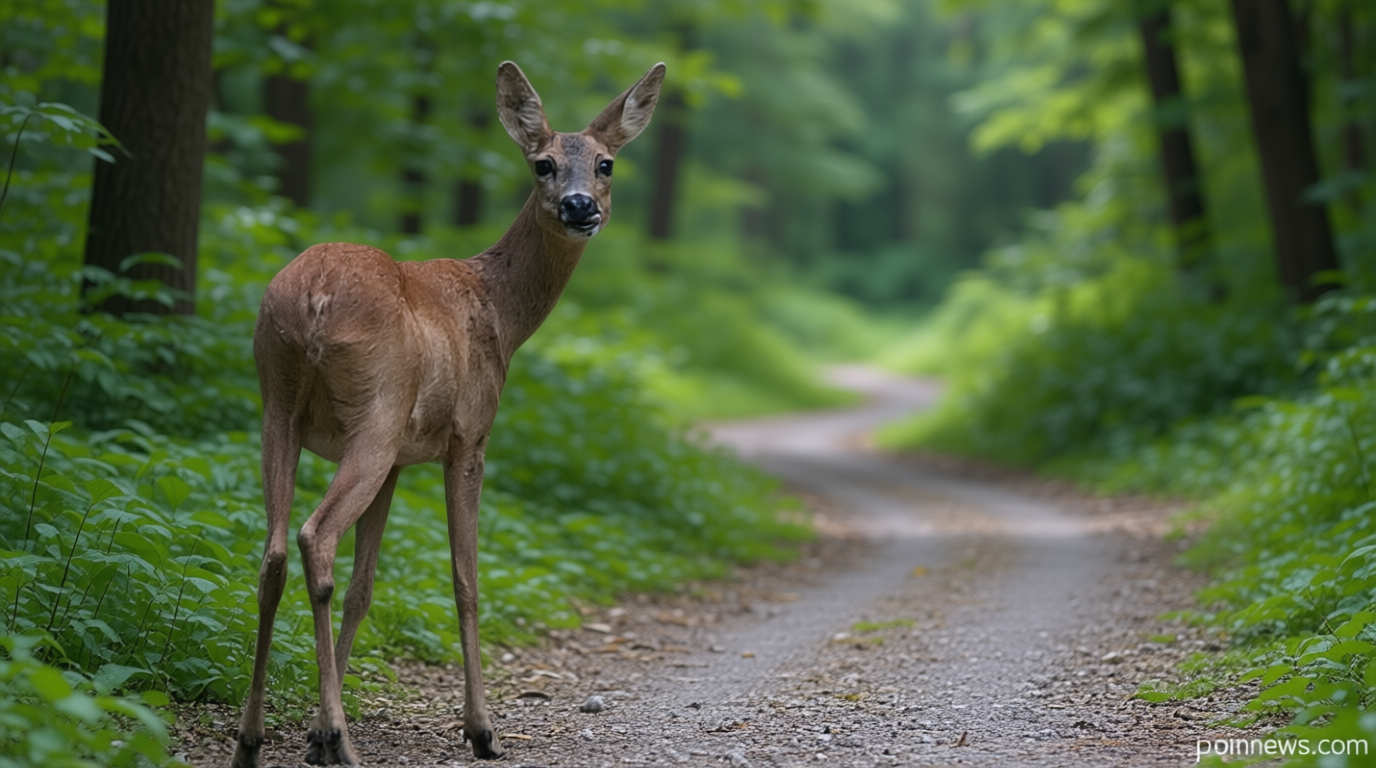
Poinews.com – Located 60 kilometers southeast of Paris, the Fontainebleau forest is a vital ecological haven, housing an array of flora and fauna. Its temperate Atlantic climate, interspersed with Mediterranean microclimates, supports over 6,600 animal species and 5,800 plant species found across both southern and northern Europe. From delicate purple orchids to the endangered Service tree, the area showcases a unique blend of biodiversity. Red deer, wild boars, European badgers, and red squirrels inhabit the diverse landscape, while more than 250 bird species—such as tawny owls and woodpeckers—flourish in the canopy. Beneath the surface, 5,000 insect species, including the protected Stag beetle, continue their unseen work in the forest’s ecosystem.
Wildfires Threaten the Forest’s Legacy
On Sunday, two massive fires consumed more than 2,000 hectares of the 25,000-hectare forest, sparking urgent evacuations. Over 1,000 residents and campers fled the area as a precaution. Firefighters deployed hundreds of personnel and Canadair aircraft to draw water directly from the Seine River—a first for the greater Paris region. Supported by Dash planes and helicopters, the flames were contained, though authorities caution that complete extinction may require days or weeks of sustained effort. At least two individuals are under investigation for suspected arson, with the blaze exacerbated by the ongoing heatwave.
“My heart is heavy knowing the forest is burning… I think of the animals who call it home,” shared a Facebook user on Tuesday. “I spent 40 years near Fontainebleau as a child, walking its trails and visiting the Château de Fontainebleau.”
A Historic Site and Nature’s Sanctuary
The UNESCO-listed Château de Fontainebleau, a 1528-built royal palace with 1,500 rooms, stands untouched by the flames. This historic site, central to the French Renaissance, also served as the venue for a pivotal 1948 UNESCO conference that led to the formation of the International Union for Conservation of Nature (IUCN). For centuries, the forest functioned as a royal hunting ground, evolving into a modern-day hub for outdoor activities. Millions of visitors annually explore its trails, rock faces, and open spaces, drawn by the legacy of artists and writers like Rousseau and Flaubert.
Climate Change Fuels the Crisis
France, like much of western Europe, has endured unusually early heatwaves this summer. Scientists from World Weather Attribution (WWA) attribute these extreme conditions to climate change, stating they would have been “virtually impossible” without global warming. The intense heat has accelerated wildfire outbreaks, with 32,000 hectares burned across the country since 2026—surpassing the total affected in 2025. These blazes are now appearing in traditionally cooler northern regions, driven by rising temperatures linked to fossil fuel emissions. Experts warn that Fontainebleau’s recovery could span three decades, highlighting the fragility of its natural heritage.
“Support and thoughts go out to the firefighters from Quebec! On this day last year, we visited this beautiful place—may God preserve it,” wrote a Facebook user. “It’s a bit of our history, our heritage, going up in smoke. What will remain in a few years?”
Local residents expressed deep sorrow over the devastation, emphasizing the forest’s role as a national lung. “This magnificent forest where I used to walk with my family as a child is now in peril,” added another. Some have called for a temporary halt to hunting in the area, arguing it would aid wildlife recovery. However, forest managers highlight that regulated culls are essential for controlling deer and boar populations, which can otherwise hinder regeneration.