
Audio recordings appear to show Biden discussing classified information with his ghostwriter
Audio recordings appear to show former President Joe Biden engaged in conversations about sensitive government materials with his memoir collaborator. The

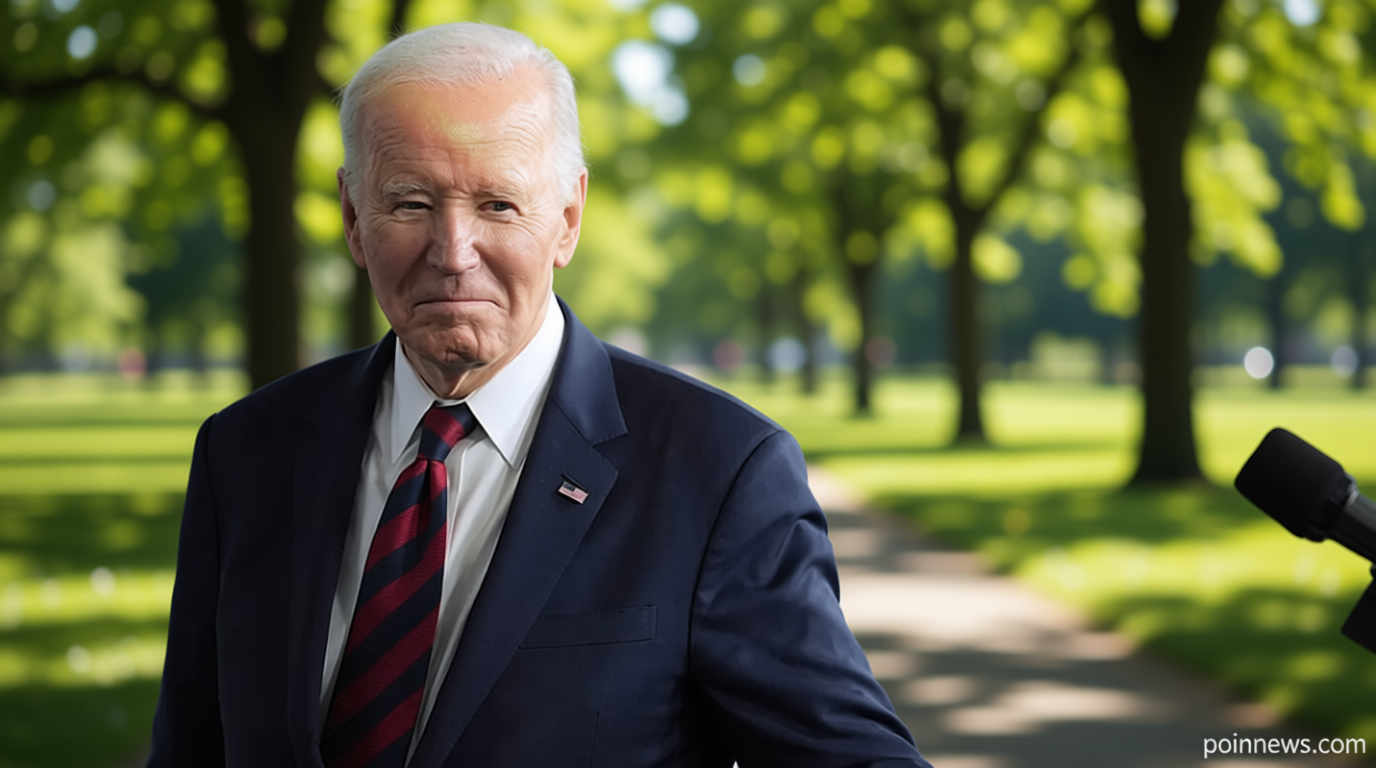
Audio Recordings Appear to Show Biden Discussing Classified Info
Poinews.com – Audio recordings appear to show former President Joe Biden engaged in conversations about sensitive government materials with his memoir collaborator. The Oversight Project, a conservative organization with connections to the Heritage Foundation, successfully obtained these audio tapes following an extended legal battle. Biden had initiated proceedings to keep his discussions with ghostwriter Mark Lewis Zwonitzer confidential, but the court ultimately ruled in favor of public disclosure.
The collection contains approximately three hours of recorded dialogue paired with 117 pages of transcripts, though certain sections remain obscured. These materials document interviews conducted before Biden’s 2020 electoral victory, during which the former vice president occasionally appeared to struggle with recalling specific details about his time in government service.
Classified Materials Disclosed in Recordings
One recording from 2017 captures Biden after his departure from the White House but before announcing his presidential bid. In this segment, he seems to confirm possession of classified documents from his vice presidential tenure. The audio appears to show Biden discussing these materials openly with Zwonitzer during their book preparation sessions.
“I just found all the classified stuff downstairs,” Biden stated. “I wrote the President a handwritten 40-page memorandum arguing against deploying additional troops to Iraq – I mean, to Afghanistan on the grounds that it wouldn’t matter, that the day we left would be like the day before we arrived.”
Another moment from October 2016 shows Biden discussing sensitive foreign policy matters while still serving under Barack Obama. The recording appears to show him sharing information that had not been widely publicized at the time.
“They didn’t even know I had this,” Biden remarked to Zwonitzer.
The potentially sensitive information remains redacted in both the audio files and written transcripts published by the Oversight Project. Audio recordings appear to show these discussions were conducted in a relatively informal setting, which has become a point of contention in the ongoing debate.
Legal Background and Public Reactions
The conservative group filed suit to acquire the recordings after Special Counsel Robert Hur concluded in 2024 that Biden would not face charges regarding his handling of classified documents. During his presidency, Biden cooperated with Hur’s investigation and maintained that he had not deliberately mishandled any classified materials. The legal proceedings lasted several years before reaching resolution.
Hur’s announcement included observations about Biden’s age and what he characterized as a “poor memory.” These comments sparked considerable public discussion concerning the then-president’s age and suitability for continued service. Critics and supporters alike weighed in on whether these observations were relevant to presidential duties.
Jeff Clark, Vice President of Litigation at the Oversight Project, argued the recordings demonstrate Biden’s cognitive decline. He emphasized that the public has a right to know about matters affecting national security.
“The tapes have always belonged to the American People, the Oversight Project just delivered them to their rightful owner,” Clark declared. “The knowledge of his deterioration was well-established.”
Conversely, Biden’s team characterized the disclosure as politically driven. TJ Ducklo, a Biden spokesperson, emphasized that the conversations were originally shared with the Department of Justice under explicit conditions of privacy. She argued that the timing of the release was strategically chosen to maximize political impact.
“President Biden’s conversations for a book a decade ago that discussed his late son are private, and were provided to the Department of Justice on the express condition they stay that way,” Ducklo explained. “Reversing course and making them public is just the latest example of this Administration weaponizing the DOJ for political retribution.”
A split federal appeals court ultimately determined that a “substantial” public interest justified releasing the materials, rejecting Biden’s attempt to prevent the Justice Department from publishing the recordings. The decision sets an important precedent for future cases involving presidential records and public access.