EU proposes new sanctions on Russian oil, ‘shadow fleet’, fisheries and soldiers
EU Proposes New Sanctions on Russian Oil and Military Personnel EU proposes new sanctions on Russian - The European Union has unveiled a new set of sanctions

EU Proposes New Sanctions on Russian Oil and Military Personnel
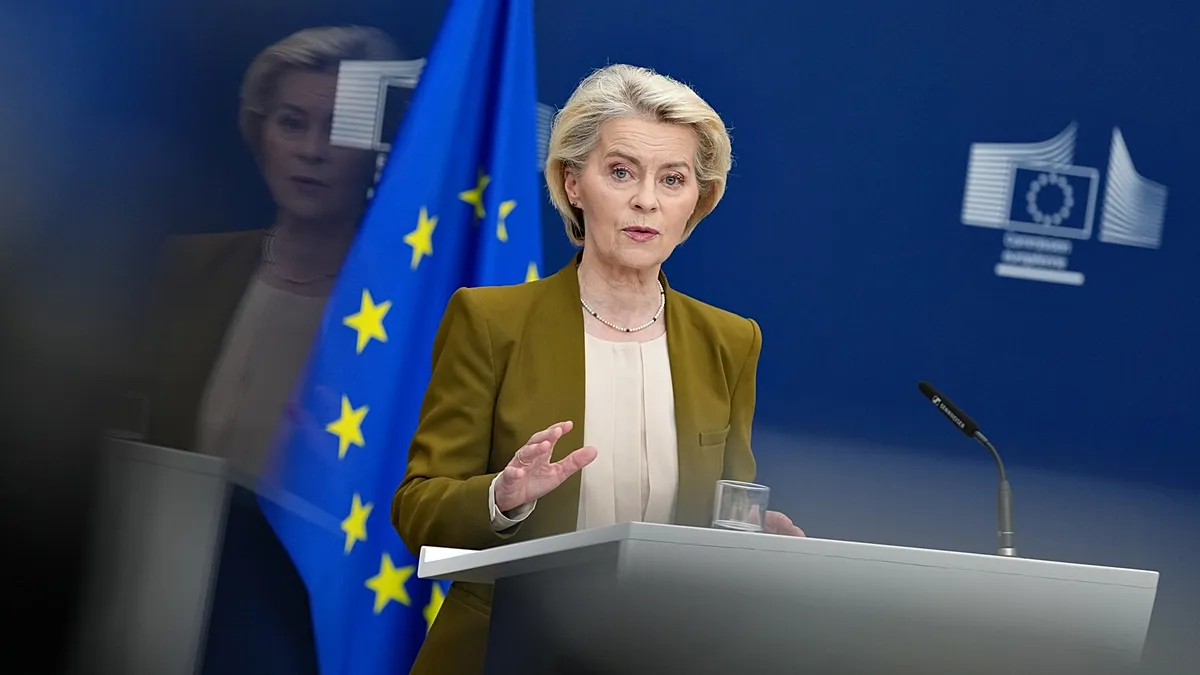
Poinews.com – The European Union has unveiled a new set of sanctions targeting Russia, specifically focusing on its oil exports, the shadow fleet, and military personnel. This initiative, led by Commission President Ursula von der Leyen, aims to further weaken Moscow’s financial position and its ability to sustain the war in Ukraine. The updated measures reflect a strategic effort to maintain economic pressure on Russia while aligning with the broader goals of the G7 and Kyiv’s allies in the ongoing peace negotiations.
Price Caps and Market Stability
Central to the EU’s strategy is the extension of the oil price cap, currently set at $44.10 per barrel, for an additional year. The cap was initially introduced in December 2022 in partnership with the G7 and Australia, designed to limit Russian revenue from oil sales. However, recent geopolitical events, such as the disruption of the Strait of Hormuz, have caused Urals crude to spike to $87 per barrel, raising concerns about its effectiveness. Despite this, von der Leyen insists the cap remains a crucial tool to keep pressure on Moscow. By delaying its review until January 2027, the EU seeks to stabilize the energy market and prevent further financial gains for Russia.
“The price Russia pays is heavier by the day, and it is paid primarily by the people of Russia,” von der Leyen emphasized. “Our sanctions are not only a response to aggression but also a way to ensure that the economic burden of war falls where it matters most.”
While the price cap remains a key component, the EU has also expanded its sanctions to include maritime services. The new package targets 30 Russian oil tankers in the shadow fleet, which operates outside the EU’s regulatory framework to bypass the cap. These vessels, often in poor condition, have been linked to smuggling activities and environmental risks. Additionally, the EU will blacklist 31 Russian banks and 20 cryptocurrency firms, which have facilitated financial transactions to evade sanctions. The measures also ban exports of defense-related metals and certain fish products from Russia, marking a first-time restriction on seafood imports.
Targeting Military Personnel and Supply Chains
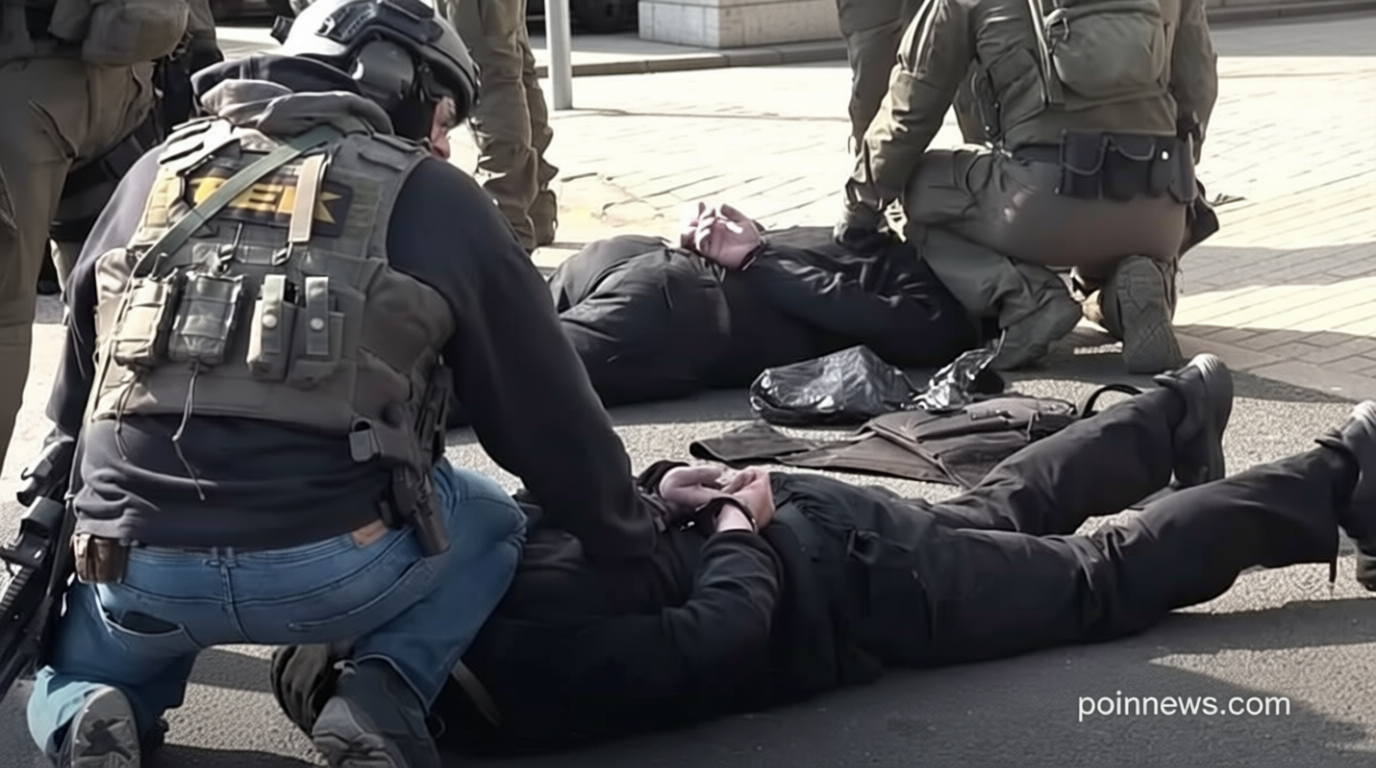
A significant aspect of the EU’s updated sanctions is the restriction on entry for Russian soldiers involved in the invasion of Ukraine. The Schengen area will now impose travel bans on these individuals, a move supported by Estonia and other EU nations. This policy is intended to isolate Russia’s military leadership and deter further aggression. Meanwhile, the EU continues to expand its economic measures, including bans on exports of goods crucial to the war effort. These actions aim to disrupt Russian supply chains and reduce its capacity to fund operations in Ukraine.
Environmental and security risks associated with the shadow fleet have also prompted the EU to block over 600 ships from accessing EU ports. This move is expected to increase the cost of transporting Russian oil to global markets, potentially leading to higher prices for consumers. In a related development, von der Leyen has reiterated her commitment to a comprehensive ban on maritime services, despite opposition from countries like Greece and Malta, which argue for more flexibility in implementing sanctions.
The updated sanctions package requires unanimous approval from all 27 EU member states, a process that could take time. Officials in Brussels are optimistic about securing agreement before the end of July to prevent an automatic price cap review. The G7 summit in France next week will serve as a critical platform to rally international support for the measures, ensuring consistency in sanctions across key allies.
Recent Russian airstrikes on Ukrainian cities have intensified the urgency of these sanctions. The EU’s actions are part of a broader effort to demonstrate solidarity with Kyiv and signal that Moscow will face sustained pressure. Economically, the measures are designed to cut off Russia’s access to EU markets, forcing it to seek alternative trading partners at higher costs. This strategy aligns with the EU’s long-term goal of weakening Russia’s economic foundation and isolating it from global trade networks.