Flesh-eating parasite spreads further in the US, despite decades of eradication
Flesh-Eating Parasite Spreads Further in the US Despite Decades of Eradication Flesh eating parasite spreads further - The flesh-eating parasite is spreading

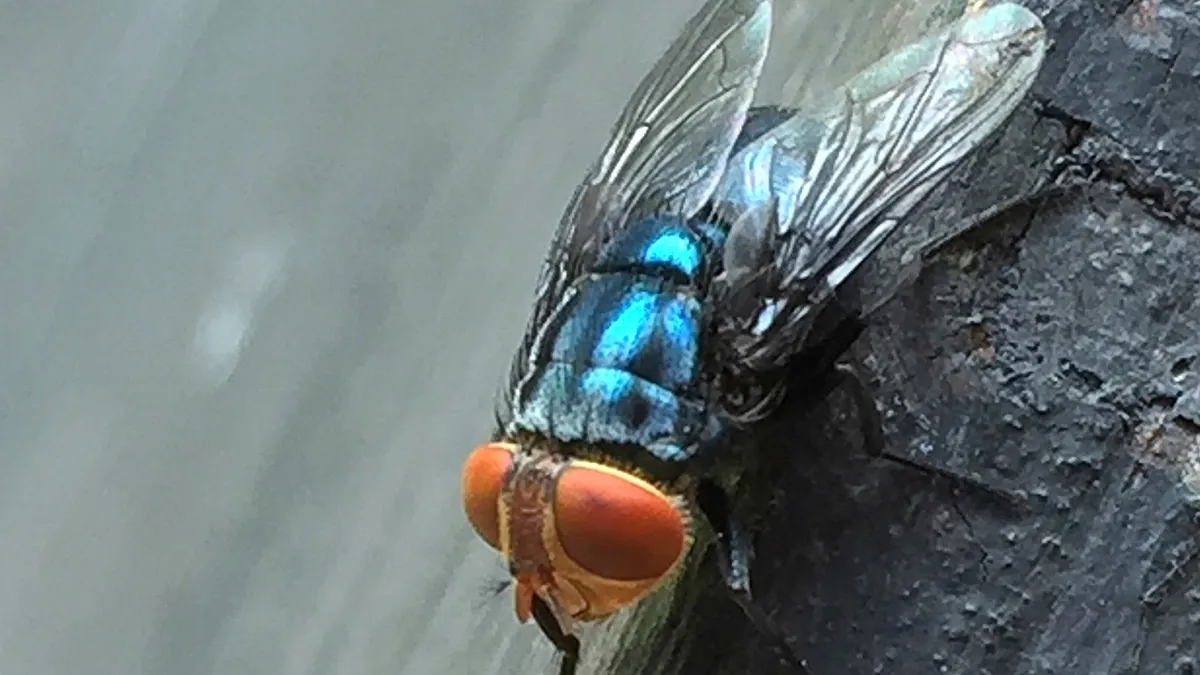
Flesh-Eating Parasite Spreads Further in the US Despite Decades of Eradication
Poinews.com – The flesh-eating parasite is spreading further in the United States, marking a concerning resurgence after years of efforts to eliminate it. Recent outbreaks have been reported in Texas and New Mexico, with five confirmed cases affecting livestock and a dog. This development has raised alarms among agricultural officials, who are now working to contain the spread and prevent broader ecological and economic impacts. The New World screwworm, known for its ability to consume living tissue, has reappeared in regions where it was once thought to be eradicated, prompting urgent action from federal and state agencies.
The Resurgence of the New World Screwworm
The New World screwworm, a parasitic fly species that targets warm-blooded animals, has once again become a threat to livestock in the US. First detected in Texas last week, the infestation has since expanded to include a dog in New Mexico, highlighting the parasite’s ability to move across borders. This resurgence challenges decades of successful eradication efforts, which had largely eliminated the species by the 1970s. Scientists are now scrambling to understand the factors that have allowed the parasite to reestablish itself, while also working to prevent its spread to other regions. The recent cases underscore the need for sustained vigilance and updated control strategies.
Authorities have intensified monitoring in affected areas, with plans to implement stricter quarantine protocols. The USDA has established a 20-kilometre buffer zone around infected sites, requiring heightened inspections for potential fly activity. While the spread is not yet rapid, experts warn that without immediate intervention, the parasite could pose a significant risk to the nation’s cattle industry. The resurgence also raises questions about how the fly managed to bypass eradication measures, suggesting possible gaps in surveillance or environmental factors that have facilitated its return.
Understanding the Threat and Its Lifecycle
The New World screwworm’s lifecycle is a key factor in its ability to spread further. Female flies lay eggs in open wounds or mucous membranes of animals, and the larvae that hatch quickly begin feeding on the host’s flesh. This process can lead to severe tissue damage, often resulting in the death of the animal if left untreated. The parasite’s rapid development and feeding habits make it particularly dangerous, as it can cause extensive harm in a short period. Livestock such as cattle, goats, and pigs are most vulnerable, but the parasite can also infect humans under certain conditions.
Historically, the screwworm was a major concern for the American cattle industry, with outbreaks causing millions of dollars in losses. By the 1970s, aggressive eradication programs had effectively eliminated the species from the US, limiting its presence to regions like Florida and Texas. However, recent findings indicate that the parasite has not only returned but is also expanding its reach. Researchers are now studying the environmental and biological factors that may have contributed to its reappearance, including climate changes and potential reinfestation from neighboring countries. This resurgence highlights the ongoing challenge of maintaining disease-free zones in the face of evolving ecological dynamics.
Public health officials have also expressed concern about the potential risk to humans. While the larvae do not transmit directly between people, individuals who come into contact with infected animals or flies may be at risk of secondary infections. Symptoms such as unhealed wounds, foul odors, and the presence of maggots in open sores require immediate medical attention. The parasite’s ability to spread further in the US has prompted calls for increased awareness among farmers, ranchers, and the general public, especially those in areas where the infestation has been confirmed.
Expert Insights and Response Strategies
Edward Burgess, an entomologist from the University of Florida, emphasized the importance of early detection in controlling the parasite’s spread. “When that first case is seen, everyone is being vigilant and their eyes are on it more intensely,” he explained. “And when you are looking for something, you are more likely to see it.” His comments align with the USDA’s strategy of encouraging stakeholders to report any unusual signs of infestation. Authorities are also collaborating with veterinary experts to develop targeted interventions, such as increased use of insecticides and improved hygiene practices on farms.
Despite the current challenges, experts remain optimistic that the spread can be contained. Samantha Holeck, the state veterinarian, noted that while new cases may emerge, the parasite’s movement is still being closely tracked. “We are conducting thorough inspections of the property where the New Mexico dog was found, as it had not traveled to Mexico or Texas,” she said. “This helps us identify potential sources of reinfestation and take proactive measures.” The combination of rapid response and community involvement is seen as critical in preventing the parasite from becoming a widespread issue. Ongoing research into the parasite’s behavior and transmission patterns is expected to inform future prevention efforts.